
Shutterstock
In the rugged, unforgiving world of the Viking Age, survival required grit, loyalty, and the courage to stare down danger—be it invading warriors or legendary beasts from Norse myths. Dogs weren’t just companions; they were warriors in fur, trusted guardians, and spiritual symbols. Some would have been prized for their strength in battle, others for their mystical presence. With icy winds, open seas, and endless threats, the Vikings would’ve cherished dog breeds that embodied bravery, power, and an unshakable spirit fit for the sagas.
Norwegian Elkhound
Shutterstock
There’s no better candidate for Viking companionship than the Norwegian Elkhound—it comes from the same icy, mountainous terrain. This breed was used by the Norse for hunting big game like elk and bear, and it’s even been found buried alongside Viking chieftains. With a thick, weatherproof coat and unshakable courage, the Elkhound would have been both hunting buddy and spiritual protector. Its sharp bark and wolf-like appearance would’ve made it an intimidating figure on the battlefield or around a fire. To the Vikings, this dog wasn’t just a pet—it was practically a furry berserker.
Irish Wolfhound
Shutterstock
Towering, majestic, and bred for taking down wolves, the Irish Wolfhound would have made any Viking raider do a double take—and maybe turn tail. These dogs were prized by Celtic nobles and given as gifts to kings, which means the Vikings who raided Ireland probably met a few of these giants. Their sheer size would strike fear into foes, while their noble bearing would have earned reverence in the longhouses. Imagine a Viking drakkar pulling into port with an Irish Wolfhound standing at the bow. That’s an invasion and a flex.
Rottweiler
Shutterstock
Strong, fearless, and built like a tank with paws, the Rottweiler has the kind of presence that would have earned it a fearsome reputation among Viking clans. Originally used to herd livestock and pull carts in the Roman Empire, these dogs were bred for strength and protection. By the Viking Age, their descendants would have been prized for guarding valuables and intimidating foes. With their powerful jaws and unshakable loyalty, a Rottweiler could’ve easily stood guard outside a chieftain’s longhouse. And let’s be real—they’d probably expect their war axe.
Karelian Bear Dog
Shutterstock
This Finnish hunting dog is a canine Viking: aggressive, fearless, and not afraid to face down bears. Vikings would have revered this breed for its independence and no-nonsense approach to survival. Whether used to guard homesteads or help hunt big game in the snowy forests, the Karelian Bear Dog would have been an essential ally in the wild north. They bark in the face of danger and keep moving forward—very on-brand for a Norse warrior lifestyle. They may be small in size compared to others on this list, but their bravery is the stuff of sagas.
Tibetan Mastiff
Shutterstock
If a Viking met a Tibetan Mastiff on a trade expedition down the Silk Road, he’d probably assume he was staring at Fenrir’s smaller cousin. These colossal, lion-like dogs have guarded Himalayan villages for centuries, and their presence alone could stop an intruder in their tracks. The Vikings would have been both terrified and impressed by such a creature—equal parts beast and guardian. With their thick coats and aloof temperaments, they carry a mysterious, almost divine vibe. One look at a Tibetan Mastiff and the average Viking would start composing an epic poem about it.
Akita
Shutterstock
The Akita’s stoic, powerful build and unwavering loyalty would have earned it a spot at any Viking warrior’s side. Originating in Japan and bred to hunt boar and bear, Akitas are known for their bravery and refusal to back down. Vikings who ventured east or engaged in trade would have respected this breed’s silent strength and regal nature. They’re the type to sit quietly by the fire, then launch into full attack mode if danger dared approach. Also, their double coat would fit right into Nordic fashion trends.
Caucasian Shepherd Dog
Shutterstock
This dog looks like it could tackle a mountain lion and then eat the mountain. Bred to protect livestock from wolves and bears in the Caucasus Mountains, the Caucasian Shepherd Dog would’ve been the ideal longhouse guardian. Its sheer size and no-nonsense demeanor would have struck fear into any rival clan. Vikings respected strength, and this dog is practically made of it. Whether perched outside a chieftain’s hall or riding into battle (if you could find a saddle big enough), this dog would’ve had legendary status.
Alaskan Malamute
Shutterstock
Though geographically distant, the Alaskan Malamute shares the Arctic lifestyle that Vikings were intimately familiar with. These powerful sled dogs are built for endurance, frigid temperatures, and working in tight packs—much like Viking raiding crews. Their thick fur and wolf-like looks make them natural candidates for fear and admiration alike. While they weren’t bred in Viking territories, the Norse seafarers would have found kindred spirits in these dogs: strong, loyal, and unimpressed by bad weather. They’d fit right in on a fjord expedition.
German Shepherd
Shutterstock
Highly intelligent, fiercely protective, and athletic enough to keep up with a band of marauding warriors, the German Shepherd is the kind of dog that demands both fear and respect. While it wasn’t around in the Viking Age, its traits would have made it an ideal choice for guarding settlements, tracking prey, and defending territory. With its sharp instincts and commanding presence, this breed would’ve been the Odin-approved security system for any Norse village. Plus, it always looks like it knows something you don’t—classic Viking vibes.
Great Pyrenees
Shutterstock
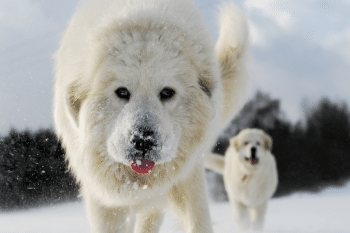
The Great Pyrenees is calm, noble, and fiercely protective—like the wise elder in a Viking saga who speaks softly but carries a battle axe. Originally used to guard flocks in the mountains, this breed would have been revered for its stoic watchfulness and snow-ready coat. Vikings living in the harsher, mountainous regions would’ve found a dependable guardian in the Pyrenees. It’s the kind of dog that won’t chase every squirrel but will end a wolf’s whole career. And it would do it without wrinkling its majestic mane.
Belgian Malinois
Shutterstock
The Belgian Malinois has the agility, intelligence, and tactical genius that would’ve made it a Viking scout or a silent night sentry. It’s the Navy SEAL of dog breeds—always alert, always ready. While not around in the Viking era, its qualities would’ve been admired by Norse warriors who valued loyalty and effectiveness. These dogs don’t waste energy—they act with purpose, like a seasoned shield maiden in a silent forest. If Vikings had special ops, the Malinois would be leading the mission.
Samoyed
Shutterstock
Don’t let the smile fool you—Samoyeds were bred to herd reindeer, pull sleds, and survive Siberian blizzards. With their thick white coats and tireless work ethic, they’re Arctic royalty. Vikings exploring or settling far-north regions would’ve revered the Samoyed for its endurance and cheerful resilience. These dogs are snow-powered engines with fur. Bonus points: they’re also warm enough to cuddle with on those long, freezing nights—kind of like a fuzzy Viking cloak that wags.
Boerboel
Shutterstock
Hailing from South Africa, the Boerboel is a beast of a dog bred to protect homesteads from wild predators. While geographically distant, its sheer strength and loyalty would’ve made it a dog the Vikings would respect—and possibly try to bring home from a trade expedition. Boerboels are fearless, serious, and capable of handling extreme environments, making them excellent defenders of Viking-era farms and halls. They don’t bark much, but when they do, you listen. They’re the silent berserkers of the dog world.
Scottish Deerhound
Shutterstock
Tall, wiry, and bred for chasing down the swiftest prey, the Scottish Deerhound would’ve earned a spot alongside Norse hunters and warriors alike. Its quiet nobility and powerful legs made it ideal for rough terrain and even rougher enemies. The Vikings had close ties with Scotland, and it’s not hard to imagine them admiring or acquiring a few of these impressive hounds. They’d look completely at home lounging in a longhouse after a day of chasing down stags—or invaders.
Greenland Dog
Shutterstock
A true Arctic powerhouse, the Greenland Dog was bred by the indigenous Inuit people for sled pulling, hunting, and surviving some of the harshest conditions on Earth. With their wolf-like appearance and unstoppable endurance, these dogs would’ve earned Viking respect immediately—especially from Norse explorers pushing into icy new lands. Greenland Dogs are incredibly independent, yet loyal to their pack, and their thick coats make them battle-ready for any blizzard. Vikings would’ve seen them as reliable working companions and perhaps even mystical guides through treacherous snow-covered landscapes. These dogs don’t just face down the cold—they make it wish it had stayed home.
Loki’s Favorite Furballs
Shutterstock
From wolf-faced guardians to snow-loving fluffballs, these dog breeds could’ve easily been companions, protectors, or even sacred symbols in the Viking Age. Whether feared on the battlefield or revered by the hearth, each one would’ve earned its place in the longboat or the longhouse. With traits like bravery, loyalty, and a touch of mystery, these dogs might’ve even made it into a saga or two. And who knows? Maybe Loki did have a favorite—and it probably chewed on Thor’s boots.
The post 15 Dog Breeds That Would Have Been Feared or Revered in the Viking Age appeared first on iHeartDogs.com.