
Shutterstock
In the gritty heyday of America’s industrial boom—when steel blazed and timber flew—some of the hardest workers had four legs and a heartbeat. These dogs didn’t clock in but showed up daily, pulling carts, guarding work sites, herding livestock, and warming the feet of worn-out laborers. They brought grit, loyalty, and unshakable heart through sawdust, soot, and snow. More than mascots, these breeds were vital teammates in the mills and camps that built the nation’s backbone—one bark and pawprint at a time.
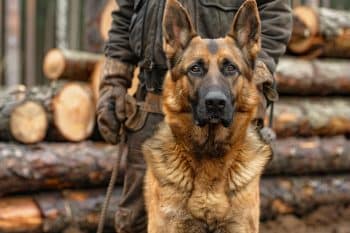
German Shepherd
Shutterstock
German Shepherds were the steelworker’s sentinels—loyal, alert, and ready to defend the shop floor if needed. Their intelligence made them valuable in mill yards and storage sites, where guarding tools and tracking movement was critical. Workers often trusted these dogs more than they did their own security systems. The German Shepherd offered calm and control in steel towns where tensions could flare as hot as the furnaces. Plus, they looked intimidating enough to keep the night shift interesting.
Bernese Mountain Dog
Shutterstock
Built like a small locomotive, the Bernese Mountain Dog was a natural fit for hauling timber or gear across rugged terrain. Originating as a Swiss farm dog, their strength translated beautifully to the tough work of logging camps in the U.S. These gentle giants were also known to deliver tools or supplies between workstations, sometimes pulling small carts with surprising efficiency. After a long day, they were just as likely to serve as a warm companion by the fire. Sturdy, steady, and unbothered by chaos—they were the quiet muscle on four legs.
Border Collie
Shutterstock
Border Collies were the sawmill’s project managers—high energy, laser-focused, and smarter than most of the guys at lunch. In timber towns, they were invaluable for rounding up livestock or navigating dense forests with precision. Their agility helped them move swiftly through dangerous terrain, alerting workers to changes or obstacles. They were known to supervise the camp with judgmental stares when not working. Let’s be honest: the Border Collie probably knew everyone’s job better than they did.
Rottweiler
Shutterstock
Rottweilers weren’t just brawny—they were dependable, courageous, and unshakably loyal to their crews. They were often stationed at warehouses, guarding valuable steel or equipment with a don’t-mess-with-this-dog attitude. But underneath that intimidating exterior was a heart of gold for those they trusted. Rottweilers had no problem getting their paws dirty, trudging through gravel and debris like a walk in the park. If you were in the trenches of hard labor, you wanted a Rottie watching your back.
Siberian Husky
Shutterstock
Though more commonly associated with snow-covered routes, Huskies also found a place in timber and mining camps as transport helpers and general morale boosters. They could pull, haul, and dash through the wilderness with an endurance most men couldn’t match. Their thick coats kept them warm in brutal winters, while their pack mentality made them perfect team players. A Husky didn’t just thrive in extreme conditions—they wagged through them. They also howled just enough to annoy, which gave the night shift something to laugh about.
Airedale Terrier
Shutterstock
Known as the “King of Terriers,” the Airedale brought grit and determination to every job site. These scrappy dogs were perfect for chasing off pests, patrolling property, and keeping spirits high. With their wiry coats and keen noses, they managed warmth and sharp tracking instincts—ideal for timber trails and steel depots alike. They were small enough to weave through tight spaces but tough enough to hold their own in rough-and-tumble environments. Basically, an Airedale was a mustachioed supervisor who never took a day off.
Newfoundland
Shutterstock
Newfoundlands were massive, powerful, and built to move weight, like canine forklifts. In lumber operations near waterways, these dogs were sometimes tasked with pulling logs or rescuing workers who took an unplanned swim. Their webbed feet and strong builds made them especially useful in riverside mills. They were famously gentle and affectionate with workers and their families despite their size. And yes, their drool was considered a hazard by OSHA standards—probably.
Australian Cattle Dog
Shutterstock
These no-nonsense, high-drive dogs were born for gritty jobs. Australian Cattle Dogs could navigate rocky paths, chase down runaway livestock, and wrangle chaos into submission with a few nips and barks. In timber towns, they were known for helping move supplies or simply keeping the crew in line. They didn’t cuddle much—but they also never missed a beat. You knew where your cattle dog stood: by your side, ready to go, glaring at anyone slowing things down.
Belgian Malinois
Shutterstock
Think of the Belgian Malinois as the elite unit in the canine workforce. These high-intensity dogs were excellent at patrol work, guarding steel yards, and watching over valuable freight. They moved like lightning and thought even faster—perfect for high-pressure environments. Malinois didn’t just work—they worked—with such intensity that even foremen had to take breaks. This dog was your second set if your shift involved long nights and sharp eyes.
Anatolian Shepherd
Shutterstock
Anatolian Shepherds were the perimeter’s quiet guardians in remote timber operations and isolated steel yards. These massive, alert dogs were historically used to protect livestock—and they transferred that skill directly into guarding tools, trailers, and people. They didn’t bark much, but when they did, everyone listened. They preferred a calm, watchful role, often lying in the dirt looking like they were doing nothing—until someone got too close. They weren’t pets but canine coworkers with a “don’t poke the bear” vibe.
Scottish Terrier
Shutterstock
Scottish Terriers may seem prim and proper, but they were firecrackers in a compact frame in mill towns. With fearless determination and surprising toughness, these little dogs earned their place chasing rodents, keeping small camps clear of pests and bigger dogs in check. Their low-to-the-ground build made them excellent at getting into hard-to-reach corners—especially when something was squeaking in the walls. Plus, they were known for sneaking bites of workers’ lunches. Never underestimate a Scottie’s hustle.
Bloodhound
Shutterstock
Bloodhounds had noses that could sniff out a pine cone from three counties away. Their tracking skills were occasionally used in logging operations to locate workers who had wandered off trails—or to find missing tools, equipment, or lost supplies. They weren’t fast but thorough, and their laid-back demeanor made them popular companions after hours. You didn’t want to play hide-and-seek with a Bloodhound unless you planned to lose. They followed the scent and usually found your sandwich, too.
Boxer
Shutterstock
Boxers brought energy, strength, and comic relief to hard labor environments. They were known for their goofy antics and their reliability regarding guarding equipment and sticking close to their crew. Boxers were fiercely loyal and protective, especially in tight-knit work communities. Boxers fit in everywhere, whether patrolling the yard or playing with the kids after hours. Their wagging butts and boxer bounce made every tough day just a little lighter.
Black and Tan Coonhound
Shutterstock
These hounds were originally bred for tracking raccoons but transitioned well into the backwoods and industrial outskirts of timber regions. With deep voices and strong legs, they followed trails, sniffed out danger, and served as guardians and early warning systems. Their booming barks echoed through the forest like an old-time alarm bell. Plus, they were stubborn in a way that earned respect among the most hardheaded workers. You didn’t own a Coonhound—you negotiated with it.
Labrador Retriever
Shutterstock
Labradors were everywhere. From hauling gear in the snow to sitting patiently by steel gates, Labs was a reliable coworker who didn’t complain and never took credit. They watched over campfires, played with kids, and hauled more than their fair share of supplies. They even made great unofficial therapists during hard shifts. If there were awards for Employee of the Month across decades, the Lab would’ve taken home more plaques than the office wall could hold.
The Only Ones Who Never Asked for a Lunch Break
MidJourney
While steel was forged and forests fell, these hardworking dogs stood by their humans through every clang, creak, and shift change. They didn’t punch a timecard but showed up daily—hauling gear, guarding yards, herding livestock, and offering quiet companionship after grueling hours. Covered in dust and grit, they were as much a part of the workforce as any man with a hammer. And while most never made the payroll, their loyalty, work ethic, and heart made them priceless. Even the feisty Terrier earned their spot in the crew—attitude and all.
The post 15 Dog Breeds That Were Loyal Coworkers in America’s Steel & Timber Industries appeared first on iHeartDogs.com.