
Shutterstock
Long before smartphones and fast-food drive-thrus, dogs were part of the pulse of rural and small-town life. They snoozed by woodstoves, greeted folks at the general store, and lingered by farmhouse doors hoping for scraps. These weren’t pampered pets—they had jobs, from herding and guarding to offering quiet companionship. They didn’t need fancy toys or gourmet kibble—just a rug, a breeze, and a kind hand. These breeds were more than animals; they were woven into the fabric of everyday life, making even the simplest spaces feel like home.
Border Collie
Shutterstock
Border Collies were born to work, which made them indispensable in farm kitchens and dusty general stores. They had one eye on the kettle and one on the cows—ready to spring into action at the drop of a feed bucket. Quick-witted and endlessly alert, they’d help round up chickens in the morning and nap by the wood-burning stove by lunch. In boarding houses, they were known to patrol the hallways like furry landlords, ensuring everything was in order. If a broom fell or a mouse ran by, the Border Collie was already halfway across the room handling it.
Beagle
Shutterstock
Beagles fit right into the creaky charm of rural life. With their floppy ears and keen noses, they were a natural presence in general stores—sniffing out jerky, greeting customers with a tail wag, or howling at passing delivery wagons. They’d follow anyone with a snack, curl up under checkout counters, and often find their way into farm kitchens just in time for pie crust scraps. Their small size and social nature made them perfect companions in tight quarters like boarding houses, where they’d charm every guest into sneaking them a treat. You never owned a Beagle—they charmed you into thinking it was your idea.
Australian Cattle Dog
Shutterstock
Australian Cattle Dogs were the rough-and-tumble working-class heroes of the farm kitchen. You could find them herding livestock in the morning and sprawled across a cracked tile floor by lunch, panting contentedly as cornbread baked in the oven. They were tough, smart, and fiercely loyal to their people and territory. In general stores, they’d keep one eye on the register and the other on the open door, ready to bark at anything suspicious or vaguely squirrel-shaped. You didn’t need a security system when your Cattle Dog was on duty.
Jack Russell Terrier
Shutterstock
Jack Russells may be tiny, but they packed enough energy to light up a boarding house. These scrappy little dynamos were ratters by trade and comedians by accident. They’d patrol kitchen corners like it was their sworn duty, dive headfirst into wood piles, and leap onto counters with Olympic-level agility. At general stores, they’d greet customers with enthusiasm and possibly steal a snack if you turned your back. On farms, they had the uncanny ability to chase vermin and demand belly rubs—often simultaneously.
Labrador Retriever
Shutterstock
Labrador Retrievers were the gentle giants of rustic life—welcoming, helpful, and always hungry. In farm kitchens, they’d lie in the exact spot that made cooking impossible, eyes locked on the biscuit tin. They had a soft spot for children, strangers, and anything remotely edible, making them crowd favorites in general stores and boarding houses. If someone dropped a ham sandwich, the Lab caught it before it hit the floor—and offered a wag of thanks. Labs weren’t just pets in these places but emotional support systems with fur and drool.
Dachshund
Shutterstock
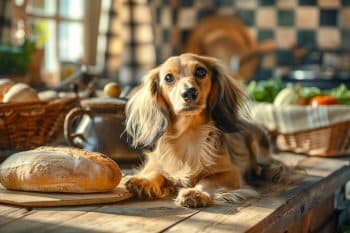
Dachshunds brought long-bodied charm to the narrow hallways of boarding houses and the warm floors of farmhouse kitchens. Originally bred for hunting badgers, they still had a nose for mischief—and butter left out to soften. They’d slink under tables, investigate cupboards, and sneak naps in laundry piles like it was part of their job description. In general stores, they were the ones you tripped over near the counter, acting innocent while pretending not to be casing the jerky shelf. They were small, but their personalities could fill the whole room—and occasionally a bread basket.
English Setter
Shutterstock
Elegant but earthy, English Setters were a picture of grace in dusty spaces. They’d glide through general stores with feathered tails swishing like royalty, then promptly flop down next to a bag of feed like the noble goofballs they were. On farms, they were loyal companions who’d help with birds one minute and rest their heads on your knee the next. In boarding houses, they acted like they’d been hired as emotional support staff, offering soulful eyes and quiet companionship to anyone with a room key. Their coat may have collected half the dust in the county, but their hearts were pure gold.
Airedale Terrier
Shutterstock
Airedales were the big terriers with big opinions, especially suited for the hustle and bustle of general store life. They were confident, alert, and always interested in what the humans were up to—especially if it involved snacks, smells, or suspicious noises from the cellar. In farm kitchens, they were equal parts alarm system and comic relief, barking at ceiling fans and then snuggling into flour sacks like nothing had happened. They made their rounds in boarding houses like they owned the place, checking in on guests and possibly borrowing someone’s sock. With an Airedale around, there was never a dull—or quiet—moment.
Scottish Terrier
Shutterstock
Scottish Terriers brought a touch of sass and scruff to every creaky-floored establishment they graced. With their dignified beards and short legs full of purpose, they strutted through boarding houses like they were inspecting the premises for quality control. In farm kitchens, they stood alert near the oven—waiting not-so-patiently for anything to hit the floor (or get within jumping distance). At general stores, they were known to sit like tiny statues by the door, greeting customers with a glare that said, “Pet me, but only if you’re worthy.” Scotties were equally stubborn, spunky, and irreplaceable—like little landlords with bark.
The Biscuit Bandits of a Bygone Era
MidJourney
These weren’t just dogs—co-workers, comfort givers, snack thieves, and unlicensed managers of every rustic nook they entered. Whether curled by the stove, napping near the register, or digging under the porch for who-knows-what, they helped define the spirit of their shared spaces. They didn’t come with instruction manuals, just wagging tails and muddy paws that made everything feel more alive. And let’s be honest—if something fell on the floor, they got it before you even blinked. That’s not a dog—that’s a living legend in fur.
The post 9 Dog Breeds That Lived in Boarding Houses, General Stores & Farm Kitchens appeared first on iHeartDogs.com.