
Shutterstock
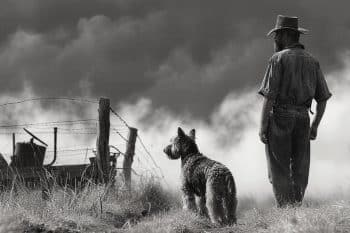
The Dust Bowl of the 1930s was one of the harshest chapters in American history, where dust storms swallowed the horizon, crops withered, and livelihoods blew away with the topsoil. But through the grit, wind, and worry, there were dogs. These weren’t pampered pets with fancy collars; they were working partners, morale boosters, livestock wranglers, and sometimes the only soul a weary farmer could talk to after a long day of loss. These breeds stood their ground with stoic loyalty, providing the comfort and utility only a true farm dog could.
Australian Cattle Dog
Shutterstock
The Australian Cattle Dog was built for brutal conditions, making it a perfect fit for Dust Bowl survival. With their tough paws and tougher attitude, these dogs herded livestock through dust-choked air, keeping unruly cattle in line with precision. They didn’t flinch when the skies turned black or slow down when the ground cracked beneath them. Known for their loyalty and independence, cattle dogs worked from sunup to sundown and slept beside the front door like furry sentinels. When everything else blew away, they stayed put.
Border Collie
Shutterstock
Few breeds could outthink a Border Collie, and even fewer could outwork one. These dogs operated like wind-powered calculators—reading the land, the livestock, and their farmers’ moods like pros. Border Collies adapted and rallied during the Dust Bowl when herds scattered and routines broke down, rounding up animals with stunning efficiency. They were agile, alert, and persistent—chasing chickens one minute and tracking sheep in a sandstorm the next. If intelligence were a survival tool, Border Collies had it in spades.
German Shepherd
Shutterstock
German Shepherds brought strength, loyalty, and calm leadership to panicked farms. These dogs weren’t just herders or guards—they were family. Known for their protective instincts, they watched over children, patrolled the edges of the farm, and barked warnings long before a storm hit. Dust in their eyes? Didn’t matter. They’d keep pushing forward, shielding their people from danger and never backing down from the chaos. When desperation was in the air, a German Shepherd reminded everyone that courage didn’t have to be loud—it just had to show up.
Rough Collie
Shutterstock
Rough Collies might have looked elegant with their flowing coats, but don’t be fooled—they were dust-hardened companions through and through. Like a prairie version of Lassie, they guarded homesteads, watched the children, and kept the peace among livestock with composed efficiency. Even with dust swirling through their fur, Collies stuck to their routines, offering a sense of calm in a world of chaos. And let’s face it, when the world outside looked like the inside of a flour sack, a Collie’s soft gaze gave people something solid to hold onto.
Great Pyrenees
Shutterstock
When predators roamed and panic ruled the prairie, the Great Pyrenees stood firm, often quite literally, like giant statues in the field. These gentle giants were bred to guard flocks, and they did it through dust, wind, and every storm that rolled over the plains. Calm and unshakable, they were the kind of dog you could lean on—sometimes literally—when the world got too heavy. They protected livestock, watched the farmhouse, and looked like fluffy mountain spirits even when caked in clay-like grit.
Airedale Terrier
Shutterstock
Airedales were tenacious, rugged, and scrappy enough to keep the farm running when everything else wanted to give up. With their wiry coats and boundless drive, they patrolled property lines, hunted rats in the barn, and barked in the face of every dust devil that dared swirl by. Smart and versatile, Airedales helped with everything from guarding the family to sniffing out trouble (or dinner). These were the blue-collar, roll-up-your-sleeves type of dogs, and the farmers loved them for it.
English Shepherd
Shutterstock
English Shepherds were the farmhands who never asked for a paycheck. Bred for all-purpose farm work, they herded cattle, corralled poultry, and barked at every creaking board in the barn. During the Dust Bowl, they didn’t just survive—they kept the farm rhythm going when everything else seemed out of step. Their strong work ethic was matched only by their desire to stick close to their humans. Loyal, grounded, and unshakeably steady, English Shepherds were the heartbeat of many struggling farms.
Belgian Malinois
Shutterstock
The Belgian Malinois may not have been the most famous farm dog of the Dust Bowl era, but those who had one knew they’d struck gold. These dogs were lightning-fast, fiercely intelligent, and always looking for the next task. On struggling farms where every pair of hands—and paws—mattered, the Malinois filled in gaps without being asked. They could herd sheep, guard the property, and outsmart a chicken coop escape artist before breakfast. And when the dust rolled in, they didn’t panic—they leaned in, eyes sharp, ready to help their humans weather yet another storm.
Scottish Terrier
Shutterstock
Don’t let the short legs fool you—Scottish Terriers were fierce little warriors in the battle against rodents, snakes, and general gloom. These spunky farm dogs kept the barn clear of pests, acted like they owned the place, and maintained their dignity even while covered in tumbleweed fluff. Independent yet deeply loyal, they made great companions for farmers who didn’t need a shadow but appreciated one showing up anyway. If determination were measured in inches, Scotties would tower over everyone.
Anatolian Shepherd
Shutterstock
Anatolian Shepherds were like living fortress walls—stoic, silent, and supremely devoted to protecting livestock and property. These dogs were made to withstand harsh environments, and the Dust Bowl was no exception. With their massive build and strong instincts, they patrolled the perimeter day and night, watching for predators and controlling everything. You didn’t have to tell them what to do—they already knew. In a world where everything felt fragile, an Anatolian felt like a concrete reassurance on four legs.
Kuvasz
Shutterstock
The Kuvasz was a white cloud of muscle and vigilance on the farms of the Dust Bowl, often mistaken for just a big, fluffy friend—until danger approached. Bred for guarding livestock in harsh climates, this ancient Hungarian breed had the strength, independence, and fierce loyalty needed when the world blew away. The Kuvasz didn’t just guard sheep or goats—they guarded families, often lying near the porch like a four-legged sentinel made of dust and resolve. Calm under pressure and bold when it counted, they kept their people grounded even when the wind threatened to lift the roof off the barn.
Dirt, Dust, And Dogs That Didn’t Blink
MidJourney
While crops withered and the sky turned to dust, these dogs held their ground, sometimes knee-deep in soil carried by unforgiving winds. They didn’t complain, wander, or give up. They chased off coyotes, guarded meager livestock, and stood faithfully beside families when hope ran thin and dinner thinner. They remained constant through windstorms, droughts, and despair, proving loyalty doesn’t need ideal conditions to thrive. In a time when hardship defined daily life, these dogs became living, breathing symbols of perseverance.
The post 11 Dog Breeds That Lived Side-by-Side With Farmers During The Dust Bowl appeared first on iHeartDogs.com.