
Dogs are remarkably resilient companions, capable of adapting to a wide variety of physical and sensory challenges. As veterinary medicine and pet care continue to advance, more dogs with disabilities are not only surviving but thriving. Whether born with a condition or acquiring one later in life due to illness, injury, or aging, specially abled dogs can live joyful, active lives with the right support.
This guide explores the most common canine disabilities, their causes and symptoms, and practical tips for pet parents to adapt care routines to ensure their dogs enjoy the best quality of life possible.
Deafness in Dogs
What Causes Deafness in Dogs?
Deafness is a relatively common condition in dogs and can be either congenital (present at birth) or acquired later in life. Some dog breeds—especially those with white or merle coats such as Dalmatians, Boxers, and Australian Shepherds—have a higher risk of hereditary deafness.
Other causes include:
Chronic or untreated ear infections
Age-related hearing loss (presbycusis)
Ototoxic medications
Loud noise exposure (fireworks, gunfire, or chronic barking environments)
Trauma to the ear or brain
Signs of Deafness
Lack of response to sounds or name
Startling easily when touched
Excessive barking
Sleeping through loud noises
Not reacting to squeaky toys or doorbells
How to Support a Deaf Dog
Use hand signals or visual cues instead of verbal commands
Consider a vibration collar (not shock-based) for gentle alerts
Approach gently from the front to avoid startling
Keep your dog on a leash or in a secure area when outside, as they can’t hear dangers like cars
Blindness in Dogs
Causes of Canine Blindness
Dogs can experience partial or total blindness due to several conditions:
Cataracts, especially in senior or diabetic dogs
Progressive Retinal Atrophy (PRA), a genetic condition common in Collies, Poodles, and Labs
Glaucoma
Trauma or injury
Sudden Acquired Retinal Degeneration Syndrome (SARDS)
Symptoms of Vision Loss
Bumping into furniture or walls
Hesitation on stairs or unfamiliar terrain
Cloudy or discolored eyes
Increased anxiety or clinginess
Reluctance to go outside or explore
Caring for a Blind Dog
Avoid rearranging furniture to help with spatial memory
Use verbal cues for reassurance and guidance
Place textured mats or rugs to signal different areas
Provide interactive toys with scent or sound elements
Install baby gates around stairs or pools for safety
Mobility Impairment and Paralysis
What Causes Mobility Issues?
Mobility challenges can range from minor arthritis to full paralysis. Causes include:
Degenerative Myelopathy (common in German Shepherds and Corgis)
Intervertebral Disc Disease (IVDD)
Traumatic injury (e.g., from accidents)
Arthritis and hip dysplasia
Neurological disorders and nerve damage
Signs of Mobility Issues
Difficulty standing, walking, or climbing stairs
Dragging one or more limbs
Loss of coordination or balance
Inability to control bowel or bladder function
Muscle atrophy
Adapting to Mobility Limitations
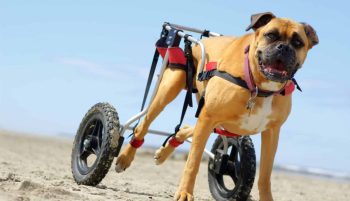
Dog wheelchairs and mobility carts can restore independence
Use non-slip flooring and ramps to reduce strain
Consider joint supplements (with vet approval) like glucosamine and chondroitin
Schedule frequent, shorter walks to prevent stiffness
Keep your dog at a healthy weight to reduce stress on joints
Neurological and Cognitive Disabilities
Common Neurological Disorders
Conditions like epilepsy, hydrocephalus, and cognitive dysfunction syndrome (CDS) can impair a dog’s ability to interact with their environment. Canine Cognitive Dysfunction, often compared to Alzheimer’s disease, affects memory and awareness in senior dogs.
Symptoms to Watch For
Seizures or tremors
Confusion or disorientation
Changes in sleep patterns
Pacing or staring into corners
House soiling despite previous training
Supporting a Dog with Neurological Needs
Establish a predictable daily routine
Provide mental stimulation with puzzle toys or gentle training
Keep living spaces calm and quiet
Ask your vet about medications that support brain function
How to Help Your Specially-Abled Dog Thrive
Disabilities do not define a dog’s capacity for joy, loyalty, or love. Whether your dog is blind, deaf, paralyzed, or cognitively impaired, your care and compassion play the most vital role in their well-being. Here are a few universal tips:
Be patient and adjust expectations as your dog learns new ways to interact with their world
Use positive reinforcement to build confidence
Maintain routine veterinary checkups
Celebrate their progress, no matter how small
Dogs adapt far more easily than many people expect. What they need most is a consistent, loving environment—and a human who sees them for more than their limitations.
Disabilities Don’t Define a Dog, Love and Support Do
Living with a specially-abled dog is not a burden—it’s an opportunity to deepen your bond and experience unconditional love in its purest form. With the right care, tools, and perspective, dogs with disabilities can enjoy rich, meaningful lives filled with play, companionship, and happiness.
Whether your dog is facing hearing loss, vision impairment, or limited mobility, there’s hope. And with your support, they’ll continue to thrive.
The post Understanding Canine Disabilities appeared first on iHeartDogs.com.