
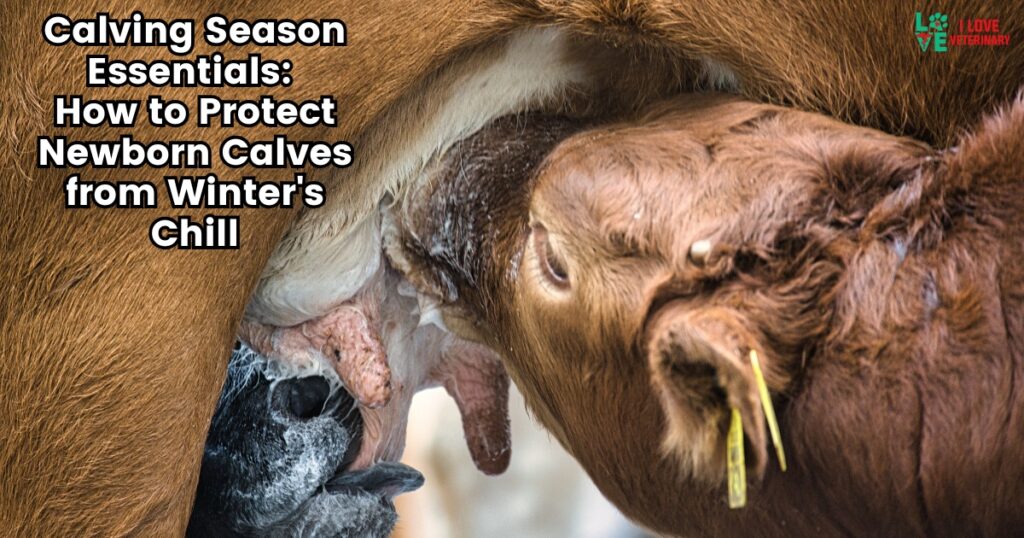
As the calendar turns and temperatures drop across many regions, cattle producers need to prepare for an important time of year – calving season. Whether this crucial period has already begun or is approaching, proper preparation can make the difference between thriving calves and dangerous “calfcicles” – calves suffering from hypothermia in frigid conditions.
Preparation: The Key to Successful Calving
Evaluating calving facilities should be the first step in preparation. Areas must be clean, dry, and ideally provide shelter from harsh elements. However, veterinary experts warn that animal congregation can increase disease transmission risks, so balance is essential.
Dr. Rosslyn Biggs, assistant clinical professor and beef cattle extension specialist at Oklahoma State University College of Veterinary Medicine, emphasizes the importance of having a relationship with a veterinarian before emergencies occur: “Build a relationship with your veterinarian well before a 2 a.m. emergency calving call. Due to high demand, many veterinary practices will only accept emergencies from existing clients.”
A well-stocked calving kit with functional equipment and critical medications should be readily accessible. Your veterinarian can help determine which items are essential for your specific operation.
Critical Timing for Intervention
Monitoring labor duration is crucial for timely intervention. Veterinary guidelines suggest examining heifers that labor in Stage 2 of parturition for longer than an hour and cows that labor longer than 30 minutes immediately.
After birth, prompt colostrum intake is vital. The calf should ideally receive colostrum within the first two hours of life to support immune function. Without this critical first milk, calves are “set up for failure” with both short and long-term immune system impacts.
Addressing “Calfcicles” and Hypothermia
When a calf’s temperature falls below 100 degrees Fahrenheit, prompt but gradual warming is necessary. Digital rectal thermometers provide accurate monitoring during the warming process.
Various warming methods can be employed:
Warm water baths
Blankets
Warming boxes
Special care should be taken to avoid damaging the animal’s skin through aggressive rubbing or placing them too close to heaters. For newborns, preserving the amniotic fluid odor is important to prevent rejection by the mother.
Treatment often requires more than just warming. Addressing underlying causes, particularly if infectious agents are involved, is essential. Depending on severity, oral or intravenous fluids may be necessary, along with monitoring of glucose levels and acid-base balance.
With proper preparation, early detection, and appropriate interventions developed in consultation with a veterinarian, producers can successfully navigate calving season even in challenging weather conditions.
For more specialized care, the OSU veterinary hospital is certified by the American Animal Hospital Association and provides routine, specialized, and emergency care for all species. Appointments can be made by calling 405-744-7000.
Source: https://news.okstate.edu/articles/veterinary-medicine/2025/avoiding_the_calfcicle.html