
Shutterstock
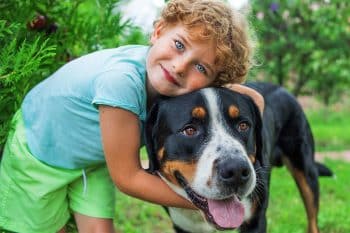
Bringing a dog into a family with children is a beautiful thing, but it’s also a big decision. Not every dog is naturally suited to the chaos, energy, and unpredictability that comes with kids. I’ve been around dogs and children for most of my life, and it’s clear that certain signs show when a dog truly thrives in a kid-filled home. It’s about patience, gentleness, and a love for companionship. Whether you’re adopting or just introducing your dog to a new baby, recognizing these traits can help ensure safety, harmony, and lots of happy tail-wiggling moments (okay, no more tail talk!). Here’s how you can tell if a dog is truly kid-friendly.
Gentle Body Language
Shutterstock
Dogs that move slowly and carefully around kids are often naturally gentle. You’ll notice soft eyes, relaxed ears, and a loose body. They’re not tense or overly alert when a child squeals or darts past them. This calmness shows they’re not reactive, which is a huge plus in a home where things change by the minute. A gentle dog adapts easily to the unpredictability of family life.
Patient with Touch
Shutterstock
Kid-friendly dogs don’t flinch at awkward pets, sticky fingers, or sudden hugs. They’re surprisingly tolerant of less-than-graceful handling. While all dogs deserve respectful boundaries, dogs that remain relaxed under a child’s clumsy affection are often great family companions. This kind of patience comes from a temperament that values closeness over personal space. It’s one of the clearest signs a dog can coexist happily with children.
Enjoys Being Around Kids
Shutterstock
Some dogs simply gravitate toward children; they follow them, sit beside them, or wag enthusiastically when kids are near. It’s not just tolerance, it’s genuine interest and affection. When a dog actively chooses to spend time with kids, it shows they feel safe and comfortable. That natural bond can make for a beautiful friendship built on trust and shared joy.
Low Reactivity to Noise
Shutterstock
Children are loud. They laugh, cry, shout, and drop things at full volume. A dog that remains calm or at least not alarmed when the house is noisy is much more likely to be kid-friendly. Instead of barking or hiding, these dogs stay relaxed, maybe just lifting their heads with a curious look. That kind of emotional stability makes them a comforting presence in a lively home.
Tolerates Clumsy Movement
Shutterstock
Kids run, jump, trip, and sometimes bump into things, including dogs. A dog that doesn’t react with fear or frustration when a child stumbles near it shows a higher tolerance for unpredictable movement. They might step aside or simply wait for the chaos to pass. Dogs that aren’t startled by sudden actions make daily life smoother and safer for everyone.
Willing to Share Space
Shutterstock
A dog that happily shares the couch, dog bed, or a sunlit corner of the room with a child is showing signs of friendliness. They don’t guard their space or move away when kids approach. Instead, they stay present and open, welcoming a little closeness. This comfort with shared space makes bonding easier and helps children feel connected to their furry friend.
Playful Without Roughness
Shutterstock
Dogs that enjoy play but know how to keep it gentle are wonderful around children. They don’t mouth too hard or play too aggressively. Instead, their version of fun includes soft toy games, gentle tug, or calm fetch sessions. This ability to scale their energy to match the child’s pace is a big sign they’re naturally in tune with younger companions.
Obeys Basic Commands
Shutterstock
Kid-friendly dogs listen when you need them to. Simple commands like “sit,” “stay,” or “leave it” are incredibly helpful in family settings. Dogs that respond consistently to their humans are easier to manage when excitement or conflict arises. A dog who follows basic cues is not only safer to have around kids but also easier to include in daily routines.
Shows Curiosity, Not Fear
Shutterstock
When dogs approach new experiences with curiosity instead of retreating in fear, they show emotional resilience. If a dog sniffs a new toy, watches a child’s activity, or gently joins in, it’s a good sign. These dogs are open to novelty, which makes them more adaptable to the ever-changing adventures that come with having kids around.
Doesn’t Guard Food or Toys
Shutterstock
Resource guarding is a red flag in homes with children. A kid-friendly dog is relaxed during meals and doesn’t mind when a child gets near their toys or treats. They might pause, look up, or even share without protest. This behavior shows a level of trust that’s essential for creating a safe space where kids and dogs coexist peacefully.
Checks in With Adults
Shutterstock
A dog that occasionally glances toward their adult human when things get chaotic is showing good judgment. These dogs understand that humans offer guidance, and they seek that connection when unsure. This habit helps prevent miscommunication and keeps the dog grounded when kids get overly excited. It’s a subtle but important sign that a dog knows how to be part of a team.
The Paw-fect Playmate Test
Shutterstock
Not every dog is meant to be a toddler’s sidekick, and that’s perfectly okay. But when you find a dog who’s patient, gentle, and loves being in the middle of family chaos, it’s something truly heartwarming. These signs go beyond good manners; they reveal a deep connection growing between a child and their furry friend. The right dog doesn’t just tolerate kids; it welcomes them with love. Watching that bond form and grow is one of the most rewarding and beautiful parts of having both children and dogs in your life.
The post 11 Ways to Tell a Dog Is Kid-Friendly appeared first on iHeartDogs.com.