
Shutterstock
Dogs that enjoy puzzles and challenges bring curiosity and excitement into everyday life. These breeds thrive when their minds are engaged through problem-solving, learning games, and tasks that require thought rather than repetition. Mental stimulation gives them confidence, prevents boredom, and strengthens their bond with their humans. Living with a challenge-loving dog means sharing life with a companion who enjoys figuring things out and feels happiest when learning something new. Their sharp minds turn simple moments into opportunities for growth, fun, and connection
Border Collie
Shutterstock
Border Collies are widely recognized for their exceptional intelligence and deep love for mental challenges. Bred to herd livestock independently, they learned to assess situations, anticipate movement, and make quick decisions. This natural problem-solving ability makes them thrive on puzzles, advanced training, and interactive games. Without mental stimulation, they often create their own challenges, which can lead to restlessness. When engaged properly, Border Collies show incredible focus, enthusiasm, and satisfaction, making them ideal companions for people who enjoy training, learning, and mental enrichment together.
Poodle
Shutterstock
Poodles are far more than graceful companions, as their intelligence places them among the top problem-solving breeds. They excel at learning patterns, memorizing commands, and adapting quickly to new challenges. Poodles enjoy puzzle toys, trick training, and activities that test both memory and coordination. Repetitive routines can bore them, so variety is essential. Mental challenges help keep their minds sharp and their behavior balanced, allowing their playful yet thoughtful personality to shine through in everyday life.
German Shepherd
Shutterstock
German Shepherds thrive when given tasks that require thinking, structure, and purpose. Originally bred for demanding working roles, they are natural problem solvers with strong focus and adaptability. Puzzle toys, scent work, and obedience challenges provide valuable mental stimulation. These activities build confidence and prevent frustration. German Shepherds form strong bonds through shared challenges, making mental engagement an essential part of their well-being and happiness.
Belgian Malinois
Shutterstock
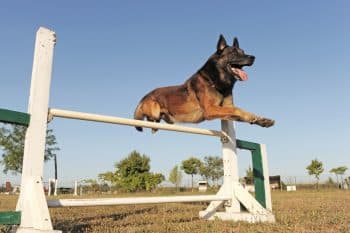
Belgian Malinois are intense thinkers who require consistent mental stimulation to stay content. Known for their work ethic, they excel at challenges involving memory, strategy, and fast decision-making. Puzzle games and advanced training exercises help channel their intelligence into productive outlets. Without enough mental engagement, they may become restless or frustrated. When properly challenged, the Belgian Malinois thrives, displaying confidence, drive, and impressive problem-solving ability.
Australian Shepherd
Shutterstock
Australian Shepherds are energetic thinkers who enjoy puzzles that require planning and persistence. Their herding background taught them to assess situations and respond independently. Mental challenges, such as interactive toys, learning sequences, and agility-style games, help keep their minds satisfied. Australian Shepherds often anticipate routines and enjoy discovering patterns. Engaging their intelligence helps balance their high energy levels while strengthening trust and communication with their humans.
Doberman Pinscher
Shutterstock
Dobermans are highly observant dogs that enjoy challenges requiring focus and reasoning. Their intelligence pairs with loyalty, making them eager to participate in mental games with their owners. Puzzle toys and structured training sessions prevent boredom and sharpen their problem-solving skills. Dobermans thrive when mental challenges are paired with positive interaction. Their ability to think quickly and respond confidently makes mental enrichment essential to their overall happiness.
Shetland Sheepdog
Shutterstock
Shetland Sheepdogs are quick learners with a strong desire to understand patterns and routines. Their herding instincts encourage both independent thinking and responsiveness. Puzzles, trick training, and scent-based activities keep them mentally satisfied. Shelties often enjoy predicting outcomes and solving challenges efficiently. Mental stimulation helps reduce anxiety and keeps their confidence steady, allowing their gentle and intelligent personality to flourish.
Papillon
Shutterstock
Papillons may be small, but their intelligence is impressive. They enjoy puzzles that challenge memory, coordination, and problem-solving skills. Papillons learn quickly and thrive when given opportunities to think and explore. Mental stimulation helps prevent boredom and keeps them engaged and confident. Their enthusiasm for learning turns puzzle time into a joyful and rewarding experience for both dog and owner.
Miniature Schnauzer
Shutterstock
Miniature Schnauzers are alert and curious dogs that enjoy figuring things out. Their intelligence makes puzzle toys and interactive games especially appealing. They enjoy tasks that require persistence and attention. Mental challenges help channel their alert nature into positive activities and prevent boredom. With regular mental enrichment, Miniature Schnauzers remain confident, engaged, and satisfied companions.
Golden Retriever
Shutterstock
Golden Retrievers are intelligent and eager learners who enjoy mental challenges paired with social interaction. Puzzle toys, scent games, and training exercises keep their minds active and fulfilled. They thrive on cooperative problem-solving and enjoy tasks that involve teamwork. Mental enrichment helps prevent frustration and supports their calm, friendly nature. Their patience and adaptability make them excellent puzzle partners.
Corgi
Shutterstock
Corgis are clever problem solvers shaped by their herding heritage. They enjoy puzzles that test memory, strategy, and persistence. Interactive games and learning challenges keep their minds engaged and their confidence balanced. Corgis often surprise owners with creative solutions and determination. Mental stimulation helps them channel their bold personality into productive and satisfying activities.
The Brains Behind The Bark
Shutterstock
Dogs who love challenges and puzzles bring excitement, humor, and discovery to daily life. Their intelligence shines when they are given opportunities to think, learn, and solve problems. Mental enrichment strengthens communication, builds confidence, and deepens trust between dog and human. These clever companions show that thinking is as important as running or playing. Sharing puzzles becomes a fun routine that keeps boredom away and curiosity alive. Life with a thinking dog is filled with small victories, proud moments, and joyful discoveries that make every day engaging and rewarding.
The post 11 Dog Breeds That Love A Challenge And A Puzzle appeared first on iHeartDogs.com.