
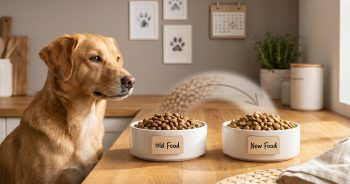
Switching your dog to a new food might seem simple, but doing it the wrong way can lead to digestive upset, vomiting, diarrhea, or refusal to eat. Whether you’ve adopted a dog from a shelter, discovered a food allergy, or are simply upgrading to a higher-quality diet, a slow and thoughtful transition is key to keeping your dog healthy and comfortable.
Below, we’ll walk through how to transition dog food safely, why transitions are sometimes necessary, and how to handle special situations that require extra care.
Why Dogs Need a Gradual Food Transition
Dogs’ digestive systems are sensitive to sudden dietary changes. A new food often contains different proteins, fats, fiber levels, and ingredients that your dog’s gut bacteria need time to adjust to.
A gradual transition helps:
Prevent stomach upset and diarrhea
Reduce gas and bloating
Encourage better nutrient absorption
Lower the risk of food refusal
Even healthy dogs benefit from a slow transition, but it’s especially important for puppies, senior dogs, and dogs with sensitive stomachs.
The Standard Dog Food Transition Schedule
Before starting a dog food transition, it’s important to choose a high-quality food that matches your dog’s age, size, and specific health needs. Measure portions carefully to avoid overfeeding while you’re mixing foods, and keep feeding times consistent each day to help support healthy digestion. During the transition period, avoid introducing new treats, chews, or food toppers that could upset your dog’s stomach or interfere with the process. Always make sure your dog has access to fresh, clean water to stay properly hydrated.
For most dogs, a 7–10 day transition works well.
Day-by-Day Transition Guide
Days 1–2: 75% old food, 25% new food
Days 3–4: 50% old food, 50% new food
Days 5–6: 25% old food, 75% new food
Days 7–10: 100% new food
After the food transition is complete, continue monitoring your dog closely for the next one to two weeks. Pay attention to stool consistency and watch for changes in the skin, ears, or increased itching, which could signal food sensitivities or allergies. If your dog shows signs of digestive upset, slow the process down and stay at the current ratio for a few extra days. Keep treats limited and make sure they contain the same protein source as the new food to avoid digestive upset. Maintain consistent portion sizes to prevent unintended weight gain, and contact your veterinarian if digestive issues or discomfort continue.
Special Situations That Require Extra Care When Transitioning Dog Food
Transitioning a Newly Adopted Dog to a New Food
When you adopt a dog from a shelter or rescue, they’re often eating a food chosen for affordability and availability, not necessarily long-term nutrition. However, newly adopted dogs are already under stress, which makes food transitions trickier.
After adopting a dog, it’s best to wait at least seven to fourteen days before changing their food, if possible, to give them time to decompress and adjust to their new environment. Starting with the same food your dog ate at the shelter can help provide a sense of familiarity and security during this transition period. When you’re ready to make the switch, introduce the new food very slowly over 10 to 14 days, and closely monitor stool consistency, appetite, and energy levels to ensure your dog is adjusting well.
How to Make the Transition for a Newly Adopted Dog
Days 1–3: 90% shelter food, 10% new food
Days 4–6: 75% shelter food, 25% new food
Days 7–10: 50% shelter food, 50% new food
Days 11–14: 25% shelter food, 75% new food
Day 15+: 100% new food
A slower transition helps reduce stress-related digestive issues and makes the adjustment smoother overall.
Transitioning Dog Food Due to Allergies or Sensitivities
If your dog develops itchy skin, ear infections, chronic licking, or digestive issues, a food allergy or intolerance may be the cause. In these cases, the transition still matters, but timing can depend on symptom severity.
If your dog’s symptoms are mild, transition to the new food slowly over 10 to 14 days to reduce digestive stress. Choosing a limited-ingredient or novel-protein diet can help minimize potential triggers, while avoiding treats that contain old proteins during the transition helps prevent setbacks. Track your dog’s symptoms daily, paying attention to changes in skin, itching, ears, and digestion, so you can monitor improvement and identify any lingering sensitivities.
How to Handle an Allergy-Related Food Change
Days 1–3: 75% old food, 25% new food
Days 4–6: 50% old food, 50% new food
Days 7–10: 25% old food, 75% new food
Day 11+: 100% new food
When a Faster Transition May Be Necessary
If your dog has a confirmed allergic reaction and your veterinarian advises stopping the old food immediately, you may need to transition more quickly. Even then, expect temporary digestive upset and monitor closely.
Switching Dog Food for Sensitive Stomachs
Dogs with sensitive stomachs often need a longer transition than average. Before transitioning a dog with a sensitive stomach, choose an easily digestible food with a simple ingredient list to reduce strain on the digestive system. Plan for a longer transition timeline than usual, as rushing the process can trigger diarrhea or vomiting. During this time, eliminate all extras such as food toppers, table scraps, and new treats so your dog’s system can adjust to the new food without added variables.
Transitioning Dog Food for Sensitive Stomachs
Days 1–4: 90% old food, 10% new food
Days 5–8: 75% old food, 25% new food
Days 9–12: 50% old food, 50% new food
Days 13–16: 25% old food, 75% new food
Day 17+: 100% new food
Slow and steady is especially important for dogs prone to diarrhea or vomiting. After the transition is complete, maintain consistent feeding times to support digestion and routine. Watch closely for loose stools, gas, or other signs of digestive upset, especially during the first week. If symptoms reappear at any point, slow the process down by temporarily returning to the previous ratio before moving forward again.
Moving Puppies to New Food
Puppies are still developing their digestive systems, which makes food changes more impactful. When transitioning a puppy to a new food, it’s important to stick with a puppy-formulated diet that supports healthy growth and development. Plan for a transition that lasts at least seven to ten days, as puppies can be especially sensitive to dietary changes. Watch closely for loose stools or a reduced appetite during the process, and avoid switching foods frequently during growth stages, as consistency plays a key role in digestive health.
Transitioning Puppies to a New Food
Days 1–2: 75% old puppy food, 25% new puppy food
Days 3–4: 50% old, 50% new
Days 5–6: 25% old, 75% new
Day 7+: 100% new food
Consistency is crucial for proper development. Once the transition is complete, continue monitoring your puppy’s stool quality and weight gain to ensure they are adjusting well to the new food. Energy levels should remain steady, with your puppy staying playful and active throughout the day. If you notice a drop in appetite or changes in behavior, consult your veterinarian to rule out sensitivities or nutritional concerns.
Switching Senior Dogs to a New Food
Before transitioning a senior dog to a new food, choose a senior-specific or veterinarian-recommended formula that supports aging joints, digestion, and overall health. Take dental health, chewing ability, and any existing medical conditions into account before making the switch. Because senior dogs can be more sensitive to dietary changes, it’s best to discuss the transition with your veterinarian and plan for a slower, more gradual process.
Transitioning Senior Dogs to a New Food
Days 1–3: 80% old food, 20% new food
Days 4–7: 60% old food, 40% new food
Days 8–11: 40% old food, 60% new food
Days 12–15: 20% old food, 80% new food
Day 16+: 100% new food
After the transition is complete, monitor your senior dog closely for changes in appetite, stool quality, energy levels, or mobility. Maintain consistent portion sizes and feeding times to support digestion and weight management. If you notice digestive issues, weight changes, or decreased interest in food, contact your veterinarian to adjust the diet or transition plan as needed.
What If Your Dog Refuses the New Food?
Some dogs are hesitant eaters, especially when faced with a new smell or texture. But they can be encouraged to eat with these simple suggestions:
Warm the food slightly to enhance aroma
Add a small amount of warm water or low-sodium bone broth
Stick to scheduled meals (don’t free-feed)
Avoid reverting to the old food unless absolutely necessary
Patience usually pays off within a few days.
Signs You’re Transitioning Too Fast
Slow down if you notice:
Diarrhea or loose stools
Vomiting
Excessive gas
Loss of appetite
Lethargy
If symptoms persist more than a few days, consult your veterinarian.
Talk to Your Veterinarian for Guidance
You should talk to your veterinarian if digestive issues last longer than three to four days, if your dog has chronic allergies or ongoing gastrointestinal problems, or if you’re switching to a prescription or therapeutic diet. Puppies, senior dogs, and dogs with underlying health conditions may also need extra guidance during a food transition. A veterinarian can help determine the safest transition plan, recommend the right diet, and tailor the process to your dog’s specific health needs.
Frequently Asked Questions About Transitioning Dog Food
1. How long does it take to transition a dog to new food?
Most dogs need 7–10 days to fully transition to a new food. Dogs with sensitive stomachs, recent adoptions, or allergies may need 10–21 days for a smoother adjustment.
2. Can I switch my dog’s food immediately?
You should avoid switching dog food suddenly unless your veterinarian instructs you to do so. Abrupt changes can cause diarrhea, vomiting, and digestive upset. Gradual transitions are safer for most dogs.
3. What happens if I change my dog’s food too fast?
Switching dog food too quickly can lead to loose stools, gas, stomach pain, vomiting, and food refusal. If symptoms appear, slow the transition and temporarily increase the amount of the old food.
4. How do I transition my dog to a new food after adoption?
Start by feeding the same food your dog ate at the shelter, then gradually introduce the new food over 10–14 days. Newly adopted dogs are under stress, so a slower transition helps prevent digestive issues.
5. How should I transition dog food if my dog has allergies?
For mild allergies, transition slowly over 10–14 days to a limited-ingredient or novel-protein food. If your dog has a severe allergic reaction, follow your veterinarian’s guidance, which may require an immediate switch.
6. Can transitioning dog food cause diarrhea?
Yes, diarrhea is a common sign that the transition is happening too fast. Slow down the process and maintain the current food ratio until stools return to normal.
7. Should I stop giving treats during a dog food transition?
Yes, it’s best to avoid treats during the transition, especially those containing different proteins. Treats can interfere with digestion and make it harder to identify food sensitivities.
8. How do I transition a dog with a sensitive stomach?
Extend the transition to 14–21 days, increase new food very gradually, and avoid adding new treats or toppers. Consistency is key for dogs with sensitive digestion.
9. What if my dog refuses to eat the new food?
Try warming the food slightly or adding a small amount of warm water or low-sodium bone broth. Stick to scheduled meals and avoid switching back to the old food too quickly.
10. When should I call the vet during a food transition?
Contact your veterinarian if digestive symptoms last more than 3–4 days, your dog shows signs of pain or lethargy, or you’re transitioning due to allergies or a medical condition.
Every Dog’s Food Transition Is Different
There’s no one-size-fits-all approach to transitioning dog food. Whether you’re switching foods after adoption, managing allergies, or simply upgrading nutrition, taking your time helps protect your dog’s digestive health and overall well-being. When in doubt, slow the transition down; your dog’s stomach will thank you.
The post How to Safely Transition Your Dog to a New Food appeared first on iHeartDogs.com.