
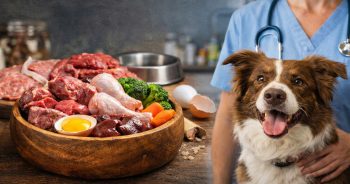
Raw dog food has become one of the most hotly debated topics in pet nutrition. Supporters point to shinier coats, smaller stools, and a diet that feels “more natural.” Many veterinarians, however, warn that raw feeding comes with real safety and nutrition risks—some of which extend beyond your dog and into your home.
So what’s the truth?
Here’s what veterinarians and veterinary nutrition experts actually say about raw dog food, including the potential benefits, the documented downsides, and what dog parents should understand before making a decision.
What Counts as “Raw Dog Food”?
Raw dog food, often referred to as a raw meat–based diet (RMBD), typically includes uncooked muscle meat, organ meat, and sometimes raw bones. These diets may be:
Homemade raw meals
Commercial frozen raw diets
Freeze-dried or dehydrated raw foods
Raw-coated kibble or raw toppers
One important point veterinarians emphasize is that not all “raw” looks raw. The Cornell University College of Veterinary Medicine explains that some products are still raw even if they don’t look like it, noting: “Freeze-drying is not equivalent to cooking.” This means freeze-dried raw foods can still carry bacteria and should be treated with the same caution as frozen raw diets.
Why Raw Dog Food Has Become So Popular
Many dog parents turn to raw feeding because it feels like a healthier, more intentional choice. Ingredient lists on traditional pet foods can be confusing, and raw diets are often marketed as closer to what dogs are “meant” to eat.
Common motivations include:
Wanting fewer processed ingredients
Greater control over protein sources
Appealing to picky eaters
Avoiding fillers or additives
Veterinarians often acknowledge these motivations. Wanting transparency and quality in your dog’s food is understandable. Where vets tend to disagree is with the idea that raw food is the safest or most reliable way to achieve those goals.
The “Good”: What Vets Understand About Why People Choose Raw
Even veterinarians who don’t recommend raw diets recognize why they appeal to dog parents. Some commonly cited positives include:
High palatability (many dogs love the taste)
Increased owner engagement with nutrition
Greater awareness of ingredients
However, veterinary nutrition experts emphasize that these benefits aren’t exclusive to raw feeding. Many dogs can achieve similar results with fresh-cooked diets or high-quality, properly formulated and tested commercial foods.
The “Bad”: Why Many Veterinarians are Concerned About Raw Dog Food
Bacteria and pathogen risks…for dogs and humans
The risk of bacterial and pathogen infection is the most serious concern veterinarians raise. Tufts University’s Petfoodology, written by board-certified veterinary nutritionists, states clearly, “All forms of raw pet food and treats carry the risk of bacterial, viral, or parasitic contamination.”
The FDA has also repeatedly warned about contamination in raw pet food. In its investigation into raw diets, FDA veterinarian Dr. Renate Reimschuessel noted, “Quite a large percentage of the raw foods for pets we tested were positive for Listeria monocytogenes.” Dogs may become ill with vomiting or diarrhea, but they can also appear completely healthy while still shedding harmful bacteria. This creates risk for people in the household, particularly:
children
seniors
pregnant individuals
immunocompromised family members
The CDC warns that exposure doesn’t just happen during feeding. Bacteria can spread through handling food, contaminated surfaces, bowls, and even a dog’s saliva.
Nutritional imbalance is a common problem
One of the biggest concerns veterinarians raise about raw dog food isn’t bacteria; it’s nutrition. For a dog’s diet to be considered healthy, it must be complete and balanced, meaning it provides the correct amounts of essential nutrients every day over time. That’s harder to achieve than many dog parents realize, especially with raw diets.
Why raw diets often fall short nutritionally
Many homemade raw diets—and even some commercial raw foods—do not meet established nutritional standards set by organizations like AAFCO. When recipes aren’t carefully formulated and tested, dogs may receive too little or too much of key nutrients, even if the food looks wholesome and “fresh.”Common issues veterinarians see include:
Calcium and phosphorus imbalances, especially dangerous for puppies
Vitamin deficiencies (such as vitamin D, vitamin E, or iodine)
Excess vitamin A from overfeeding liver
Inadequate essential fatty acids
Improper trace mineral levels, including zinc and copper
These problems don’t always cause immediate symptoms. Dogs may appear healthy for months—or even years—before subtle deficiencies lead to bone disease, poor growth, organ damage, or chronic health issues.
Puppies are especially at risk
Veterinary nutrition experts stress that nutritional mistakes are most dangerous during growth. Puppies require precise nutrient ratios, particularly calcium and phosphorus, to support proper bone development.
Even small imbalances in a raw diet can contribute to skeletal abnormalities, joint problems, and lifelong orthopedic issues. That’s why many veterinarians strongly discourage raw feeding for puppies unless the diet is formulated by a board-certified veterinary nutritionist.
“Complete and balanced” means more than ingredients
A common misconception is that variety automatically equals balance. Rotating proteins or adding fruits and vegetables does not guarantee a diet meets a dog’s nutritional needs.Without formulation expertise, nutrient analysis, and feeding trials, it’s difficult to know whether a raw diet truly supports long-term health.
Commercial raw doesn’t always solve the problem
Some dog parents assume that commercial raw diets are automatically safer nutritionally than homemade versions. Veterinarians caution that this isn’t always the case. Unlike traditional commercial dog foods, some raw diets are:
Not formulated to meet AAFCO nutrient profiles
Labeled as “supplemental” or “intermittent feeding only”
Lacking feeding trials or transparent formulation data
This makes it harder for dog parents to assess whether the diet is appropriate as a long-term, sole source of nutrition.
Why veterinarians emphasize professional formulation
Because nutritional imbalances can be slow and silent, veterinarians strongly recommend that any homemade diet, raw or cooked, be designed by a board-certified veterinary nutritionist. These specialists use precise nutrient calculations, ingredient analysis, and evidence-based guidelines to ensure dogs receive what they need at every life stage.
For many dogs, veterinarians note that fresh-cooked diets or high-quality commercial foods can deliver the benefits dog parents want, without the nutritional uncertainty that often accompanies raw feeding.
Raw bones can cause serious injuries
Raw diets that include bones raise additional red flags for veterinarians. The World Small Animal Veterinary Association (WSAVA) explains, “There is currently no properly documented evidence of health benefits of raw meat–based diets, but there are well-documented risks.” WSAVA highlights risks such as:
fractured teeth
choking
gastrointestinal blockages
intestinal perforation
Even dogs that have eaten bones in the past without issue can experience sudden injuries.
Freeze-dried and “hidden raw” products still pose risks
Some dog parents choose freeze-dried raw foods or raw-coated kibble, believing they’re safer. Veterinary experts caution that these products can still contain pathogens. Tufts’ Petfoodology also notes that labeling on raw products can be inconsistent, making it harder for owners to understand what risks they’re taking.
Do Veterinarians Recommend Raw Dog Food?
Most veterinarians and major veterinary organizations do not. The WSAVA Global Nutrition Committee goes so far as to state, “The WSAVA Global Nutrition Committee recommends that RMBD not be fed to dogs and cats.”
The CDC also advises against feeding raw pet food and recommends consulting a veterinarian when choosing a diet.
If You’re Still Considering Raw: How Vets Approach Risk Reduction
When dog parents are determined to feed raw, many veterinarians shift to a harm-reduction approach.
Practice strict food safety
The FDA recommends treating raw pet food like hazardous raw meat by:
washing hands thoroughly after handling
disinfecting bowls and preparation surfaces
storing raw pet food separately from human food
avoiding face-licking after meals
Don’t ignore nutrition
The CDC advises, “If raw food is your pet’s main diet, talk to your veterinarian or a veterinary nutritionist.” This is especially important for puppies, senior dogs, or dogs with medical conditions.
Vet-Approved Alternatives for Dog Parents Who Want Fresher Food
For dog parents drawn to raw feeding because they want higher-quality nutrition, veterinarians often recommend safer alternatives, including:
AAFCO-complete commercial diets from reputable companies
Fresh-cooked commercial dog foods
Home-cooked diets formulated by a board-certified veterinary nutritionist
These options can meet the desire for transparency and quality while reducing exposure to harmful bacteria.
FAQs: What dog parents ask vets about raw dog food
1. Is raw dog food healthier than kibble?
There is no strong scientific evidence proving raw diets are healthier. Veterinary organizations agree that risks are better documented than benefits.
2. Can raw dog food make my dog or family sick?
Yes. Raw pet food can carry harmful bacteria that affect both pets and people, even when dogs show no symptoms.
3. Is freeze-dried raw safer?
Not necessarily. Cornell University emphasizes that freeze-drying does not eliminate bacteria.
4. Is raw food safe for puppies?
Most veterinarians urge caution. Puppies are more vulnerable to infections and nutritional imbalances during growth.
5. What’s the safest way to feed raw if I insist?
Veterinary experts recommend:
consulting a veterinary nutritionist
following strict hygiene practices
carefully considering household risk
The Bottom Line on Raw Dog Food
Raw dog food is often chosen with good intentions, but veterinary experts stress that intention alone doesn’t eliminate risk. While the benefits are widely claimed, the dangers of bacterial contamination and nutritional imbalance are well documented.
For many families, safer alternatives can achieve the same goals without exposing pets and people to unnecessary health risks. When it comes to your dog’s diet, veterinarians agree on one thing: making informed decisions matters most.
The post Is Raw Dog Food Safe? Veterinarians Explain the Risks and Benefits appeared first on iHeartDogs.com.