
iHeartDogs is reader-supported. When you buy via links on our site, we may earn an affiliate commission at no extra cost to you.
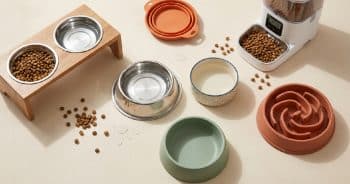
Choosing the right dog bowl may seem like a small decision, but it can have a big impact on your dog’s health, comfort, and eating habits. From stainless steel bowls and ceramic dishes to raised feeders, slow feeders, and automatic dog feeders, each type of dog bowl is designed to solve specific problems, whether that’s reducing mess, preventing fast eating, supporting joint health, or making mealtime more convenient. Understanding the different types of dog bowls and what they’re best used for can help pet parents make smarter choices based on their dog’s size, age, behavior, and dietary needs. Let’s break down the most common dog bowl options, explain their benefits, and highlight potential drawbacks so you can confidently choose the best feeding solution for your pup.
Dog Bowl Types Explained: How to Choose the Right Bowl for Your Dog
Stainless Steel Dog Bowls
Stainless steel dog bowls are one of the most popular and widely recommended options for pet owners because they’re durable, hygienic, and easy to maintain. These bowls are non-porous, which helps prevent bacteria buildup and lingering odors, making them a reliable choice for daily feeding. Stainless steel bowls are typically dishwasher-safe and resistant to cracking or breaking, even with frequent use. Many models also include non-slip bases to reduce movement during meals, though they may not offer the decorative appeal of ceramic options.
Pros:
Non-porous and resistant to bacteria buildup
Durable and difficult to break or crack
Dishwasher-safe and easy to clean
Often affordable and widely available
Cons:
Can slide on floors if not equipped with a non-slip base
Basic appearance compared to ceramic or decorative bowls
Best for: Most dogs, especially those with allergies, sensitive stomachs, or owners who prioritize easy cleaning.
Stainless Steel Dog Bowls – Product Picks
If you’re looking for durable, low-maintenance options, stainless steel dog bowls are a reliable place to start. The bowls below are popular choices thanks to their sturdy construction, easy cleaning, and everyday practicality.
GORILLA GRIP Set of 2 Stainless Steel Dog Bowls
This stainless steel dog bowl set offers a simple, no-frills feeding solution built for daily use. The bowls are made from food-grade stainless steel and feature a non-slip silicone base to help prevent sliding and spills during meals. Sold as a set of two, they’re ideal for food and water or multi-pet households looking for a dependable, easy-to-clean option.
Loving Pets Bella Dog Bowls
The Loving Pets Bella Dog Bowls combine stainless steel durability with a polished exterior design that looks great in the home. These bowls include a removable stainless steel insert and a rubber base to reduce movement and noise while eating. They’re a popular choice for pet parents who want functionality without sacrificing style.
Ceramic Dog Bowls
Ceramic dog bowls are often chosen for their appearance and added weight, which helps keep them from sliding during meals. They come in a wide variety of colors, patterns, and designs that blend easily with home décor, making them a popular choice for indoor feeding areas. The smooth surface of ceramic bowls can be easy to clean, but they are more fragile than metal options and may chip or crack if dropped. It’s also important to choose high-quality, food-safe ceramic bowls with lead-free glazes to ensure your dog’s safety.
Pros:
Heavy enough to stay in place during meals
Available in stylish and decorative designs
Smooth surface makes cleaning easier than plastic
Cons:
Can chip or crack if dropped
Low-quality glazes may contain harmful materials
Heavier and less travel-friendly
Best for: Calm eaters and pet parents who want an aesthetically pleasing bowl for indoor use.
Ceramic Dog Bowls – Product Picks
Ceramic dog bowls are often chosen for their weight and decorative appeal. The options below balance visual style with everyday usability for calm eaters and indoor feeding spaces.
SPOT Standard Crock Dish
The SPOT Standard Crock Dish is a classic ceramic dog bowl with a simple, heavy design that helps keep it in place during meals. Its smooth interior makes it easy to clean, while the thick ceramic construction adds stability. This bowl works well for dogs that don’t tip or toss their dishes.
Bone Dry Paw & Patch Ceramic Pet Bowl
This ceramic bowl adds a decorative touch while still serving a functional purpose. The Bone Dry Paw & Patch Ceramic Pet Bowl features playful patterns and a solid, weighty feel that helps prevent sliding. It’s best suited for indoor use and pet parents who want a bowl that blends into their home décor.
Plastic Dog Bowls
Plastic dog bowls are lightweight and inexpensive, making them a common starter option for new pet owners or temporary use. They’re easy to find in a wide range of sizes, colors, and designs, and their lightweight makes them convenient for travel or outdoor feeding. However, plastic bowls tend to scratch easily, which can allow bacteria to build up over time. Some dogs may also develop sensitivities, chin acne, or allergic reactions from prolonged contact with plastic, especially if the bowl isn’t replaced regularly.
Pros:
Lightweight and portable
Budget-friendly
Available in many colors and sizes
Cons:
Can scratch easily, allowing bacteria to build up
Some dogs develop plastic sensitivities or allergies
Easily tipped or chewed by enthusiastic eaters
Best for: Short-term use, travel, or dogs without sensitivities who don’t chew their bowls.
Plastic Dog Bowls – Product Picks
Plastic dog bowls are lightweight and budget-friendly, making them a common option for travel, temporary setups, or dogs without sensitivities. The following bowls offer slightly upgraded designs compared to basic plastic dishes.
Loving Pets Dolce Bamboo Eco-Friendly Pet Bowl
This bowl is made from bamboo fiber and offers a more eco-conscious alternative to traditional plastic. The Loving Pets Dolce Bamboo Bowl is lightweight yet sturdier than standard plastic bowls and features a modern look. It’s a good option for pet owners seeking a balance between affordability and sustainability.
Frisco Colorful Geometric Melamine Bowl
The Frisco Geometric Melamine Bowl features a durable plastic exterior with a fun, colorful design. Melamine construction gives it a more solid feel than basic plastic bowls, though it should still be monitored for wear. It’s best used for dogs that don’t chew their bowls and for pet parents who want something visually playful.
Raised Dog Bowls and Elevated Feeders
Raised dog bowls lift food and water off the ground, placing them at a more comfortable height for certain dogs. They can be helpful for large or senior dogs who struggle to bend down, but they aren’t the best fit for every pup, especially fast eaters or dogs at higher risk for bloat (gastric dilatation-volvulus/GDV). If your dog is deep-chested or has a history of gulping meals, it’s smart to ask your vet whether an elevated feeder is appropriate.
Pros:
May reduce strain on joints, neck, and spine
Helpful for senior dogs or large breeds
Can reduce mess and spills
Cons:
Not recommended for all dogs, especially fast eaters prone to bloat
Takes up more space than standard bowls
Best for: Large breeds, senior dogs, and dogs with arthritis or mobility issues (with veterinarian guidance).
Raised Dog Bowls and Elevated Feeders – Product Picks
Elevated feeders can improve comfort for some dogs by lifting food and water off the ground. The following options range from adjustable designs to decorative raised setups.
COMESOON Elevated Dog Bowls
The COMESOON Elevated Dog Bowls feature an adjustable height design that grows with your dog. Made with sturdy materials and removable stainless steel bowls, this feeder allows pet parents to customize feeding height while keeping bowls easy to clean. It’s a flexible option for medium to large dogs.
Frisco Marble Print Stainless Steel Double Elevated Dog Bowl
This elevated feeder pairs stainless steel bowls with a raised base featuring a marble-inspired design. The Frisco Double Elevated Bowl offers a stable feeding station that reduces mess while adding a stylish touch. It’s best suited for dogs that benefit from a slightly elevated eating position.
Elevated Ceramic Dog Bowl Set
This elevated ceramic set combines the weight of ceramic bowls with the comfort of raised feeding. The elevated design helps reduce bending, while the ceramic bowls stay firmly in place during meals. It’s a good choice for calm eaters and pet parents who prefer ceramic over metal.
Dogit Elevated Dog Bowl
The Dogit Elevated Dog Bowl offers a simple raised design that’s lightweight and easy to clean. It’s a more minimal option for pet parents who want elevation without a bulky feeder system. This bowl works well for smaller dogs or temporary elevated feeding setups.
Slow Feeder Dog Bowls
Slow-feeder bowls are designed with ridges, grooves, or maze-like patterns that force dogs to work around obstacles to reach their food. By slowing the pace of eating, these bowls can help reduce gulping, choking, vomiting, and digestive discomfort caused by fast meals. Slow feeders also encourage mental stimulation during mealtime, turning eating into a more engaging activity rather than a rushed habit. They’re especially useful for dogs that finish their food in seconds or tend to beg for more immediately after eating.
Pros:
Helps prevent choking and vomiting
May reduce risk of bloat
Encourages mental stimulation during meals
Cons:
Can be harder to clean depending on design
Some dogs may become frustrated initially
Best for: Dogs that gulp their food or finish meals in seconds.
Slow Feeder Dog Bowls – Product Picks
Slow feeder bowls are designed to help dogs eat at a healthier pace. These options use different ridge patterns and materials to slow down fast eaters.
Outward Hound Fun Feeder Slo Bowl
One of the most well-known slow feeder bowls, the Outward Hound Fun Feeder uses maze-like ridges to significantly slow eating. It’s available in multiple sizes and patterns, making it easy to match your dog’s portion size and eating style. This bowl is especially effective for dogs that inhale their meals.
Frisco Bone-Shaped Ridges Slow Feed Bowl
This slow feeder features raised bone-shaped ridges that encourage dogs to eat more slowly without being overly frustrating. The Frisco Slow Feed Bowl is a good middle-ground option for dogs new to slow feeders who need gentle pacing rather than extreme obstacles.
Feedoo Non-Skid Stainless Steel Slow Feeder Dog Bowl
The Feedoo Slow Feeder combines stainless steel construction with built-in ridges for slower eating. Its non-slip base helps keep the bowl steady, while the metal design offers easier cleaning than plastic slow feeders. This is a solid choice for dogs who need pacing but prefer stainless steel bowls.
Automatic Dog Feeders
Automatic dog feeders dispense pre-measured portions of food on a set schedule, making them a convenient option for busy pet parents or households with irregular routines. These feeders can help maintain consistent mealtimes, support portion control, and reduce the risk of overfeeding. Some models also offer features like digital timers, app controls, or voice recordings to call dogs to their meals. While automatic feeders don’t replace human supervision, they can be a helpful tool for managing structured feeding routines and supporting dogs that thrive on consistency.
Pros:
Helps maintain consistent feeding schedules
Useful for portion control
Great for pet parents with long workdays
Cons:
More expensive than standard bowls
Requires power or batteries
Not ideal for dogs who overeat if food is always accessible
Best for: Dogs on strict feeding schedules and owners who want added convenience.
Automatic Dog Feeders – Product Picks
Automatic feeders offer convenience and structure for scheduled feeding. These options include smart features designed to support consistent routines.
PETLIBRO Automatic Dog Feeder with Camera
This smart feeder includes a built-in camera, allowing pet parents to monitor feeding times remotely. The PETLIBRO Automatic Dog Feeder supports portion control, scheduled meals, and app connectivity. It’s ideal for owners who want peace of mind and added visibility when away from home.
Penthouse Paws Smart Maxx HD Automatic Dog Feeder
The Penthouse Paws Smart Maxx HD Feeder focuses on reliable scheduling and portion accuracy. With smart controls and a sleek design, it helps maintain consistent feeding routines. This feeder works best for single-dog households where meals need to stay structured.
Travel and Collapsible Dog Bowls
Travel dog bowls are lightweight and designed for portability, making them ideal for trips, hikes, and outdoor adventures.
Pros:
Compact and easy to carry
Great for travel and outdoor use
Often dishwasher-safe
Cons:
Not as durable as standard bowls
Smaller capacity
Best for: Active dogs, travelers, and outdoor excursions.
Travel and Collapsible Dog Bowls – Product Picks
Travel bowls are designed for portability and convenience on the go. These options are easy to pack and ideal for trips, hikes, or car rides.
Healthy Human Travel Pet Bento Bowls
This travel-friendly bowl set includes separate compartments for food and water, making it convenient for longer outings. The Healthy Human Pet Bento Bowls are compact, durable, and easy to clean, making them a great option for road trips and day adventures.
KindTail Dog Travel Bowls
KindTail Dog Travel Bowls are designed with portability in mind, offering a sleek, lightweight option for feeding on the go. They’re easy to pack and well-suited for short trips or everyday travel needs.
2 Pack Collapsible Dog Water Bowls
These collapsible bowls fold flat for easy storage and expand when needed. Lightweight and practical, they’re ideal for hikes, walks, and outdoor adventures where space is limited. They’re best used as a travel solution rather than a full-time feeding bowl.
Frequently Asked Questions About Dog Bowls
1. What is the safest type of dog bowl?
Stainless steel dog bowls are generally considered the safest option because they’re non-porous, resistant to bacteria, and easy to clean thoroughly. Unlike plastic, they don’t scratch easily, and unlike ceramic, they don’t chip or crack under normal use. Choosing food-grade stainless steel with a non-slip base adds extra safety and convenience.
2. Are raised dog bowls better for dogs?
Raised dog bowls can be helpful for large breeds, senior dogs, or dogs with arthritis by reducing the need to bend down. However, they may not be appropriate for all dogs, particularly deep-chested breeds or fast eaters that may be at higher risk for bloat (GDV). It’s best to consult a veterinarian before switching to an elevated feeder.
3. Do slow feeder bowls really work?
Yes, slow feeder bowls are effective at reducing fast eating by forcing dogs to navigate around ridges and obstacles. This can help lower the risk of choking, vomiting, and digestive upset while also providing mental stimulation. Some dogs may need a short adjustment period, but many quickly adapt and benefit from a calmer eating pace.
4. What size dog bowl should I use for my dog?
The right bowl size depends on your dog’s breed, size, and portion needs. Small dogs generally do best with shallow bowls, while large breeds need wider, deeper bowls that can hold full meals without spilling. Using a bowl that’s too small may cause frustration or mess, while oversized bowls can encourage overeating if portions aren’t measured.
5. Are stainless steel dog bowls better than ceramic or plastic?
Stainless steel dog bowls are often considered the best all-around option because they’re non-porous, durable, and easy to sanitize. Ceramic bowls can work well if they’re high-quality and lead-free, while plastic bowls are more prone to scratching and bacteria buildup. The best choice ultimately depends on your dog’s habits, sensitivities, and your cleaning preferences.
6. Can the wrong dog bowl cause digestive problems?
Yes, in some cases. Dogs that eat too quickly from standard bowls may experience choking, vomiting, or gas, while fast eaters may benefit from slow-feeder bowls. Elevated bowls may help some dogs but could increase bloat risk in others. Choosing the right bowl style can help support healthier digestion and safer mealtimes.
7. Are automatic dog feeders safe to use every day?
Automatic dog feeders can be safe for daily use when they’re properly set up and monitored. They’re most effective for portion control and consistent feeding schedules but shouldn’t replace regular supervision. In multi-dog households, they may lead to food guarding or uneven feeding unless dogs are separated.
8. How often should dog bowls be replaced?
Stainless steel bowls can last for years if properly maintained, while ceramic bowls should be replaced if they chip or crack. Plastic bowls may need more frequent replacement due to scratches and wear. Any bowl showing signs of damage, lingering odors, or discoloration should be replaced for hygiene reasons.
9. Do dogs prefer certain types of bowls?
Some dogs are sensitive to noise, reflections, or movement. For example, nervous dogs may dislike metal bowls that clang or reflect light, while others don’t mind. Observing your dog’s behavior during meals can help you determine whether a different bowl material or design would improve their comfort.
Choosing the Best Dog Bowl for Your Dog’s Needs
No single dog bowl works perfectly for every dog, and that’s exactly why so many options exist. A playful puppy who eats too fast may benefit from a slow feeder, while a senior dog with joint issues might be more comfortable using a raised feeder. Stainless steel bowls are often the go-to choice for durability and hygiene, but ceramic, plastic, and automatic feeders all have their place depending on lifestyle and feeding routines. By considering your dog’s size, age, health concerns, and eating habits, you can narrow down the bowl type that makes mealtime safer, cleaner, and more enjoyable. The right bowl doesn’t just hold food it supports your dog’s overall well-being every single day.
iHeartDogs is reader-supported. When you buy via links on our site, we may earn an affiliate commission at no extra cost to you.
The post Which Dog Bowl Is Best? Pros and Cons of Every Bowl Type appeared first on iHeartDogs.com.