

Obesity in dogs is a very serious problem, and its rates are increasing daily. It’s estimated that roughly half of all dogs in the United States alone are obese – that’s 35 million dogs! Obesity can cause many illnesses, such as diabetes, and even worsen joint and back problems. Obesity is also one of the most common reasons injuries occur in our dogs. Most importantly, obesity leads to an increase in many diseases, including cancer, and can rob years off your dog’s lifespan.
12 Vital Tips for Preventing Obesity in Your Dog
Maintaining your dog’s proper weight is easier said than done, so here are some helpful tips we’ve compiled for you to keep as a guideline:
#1 – Understand Ideal Weight & Body Shape
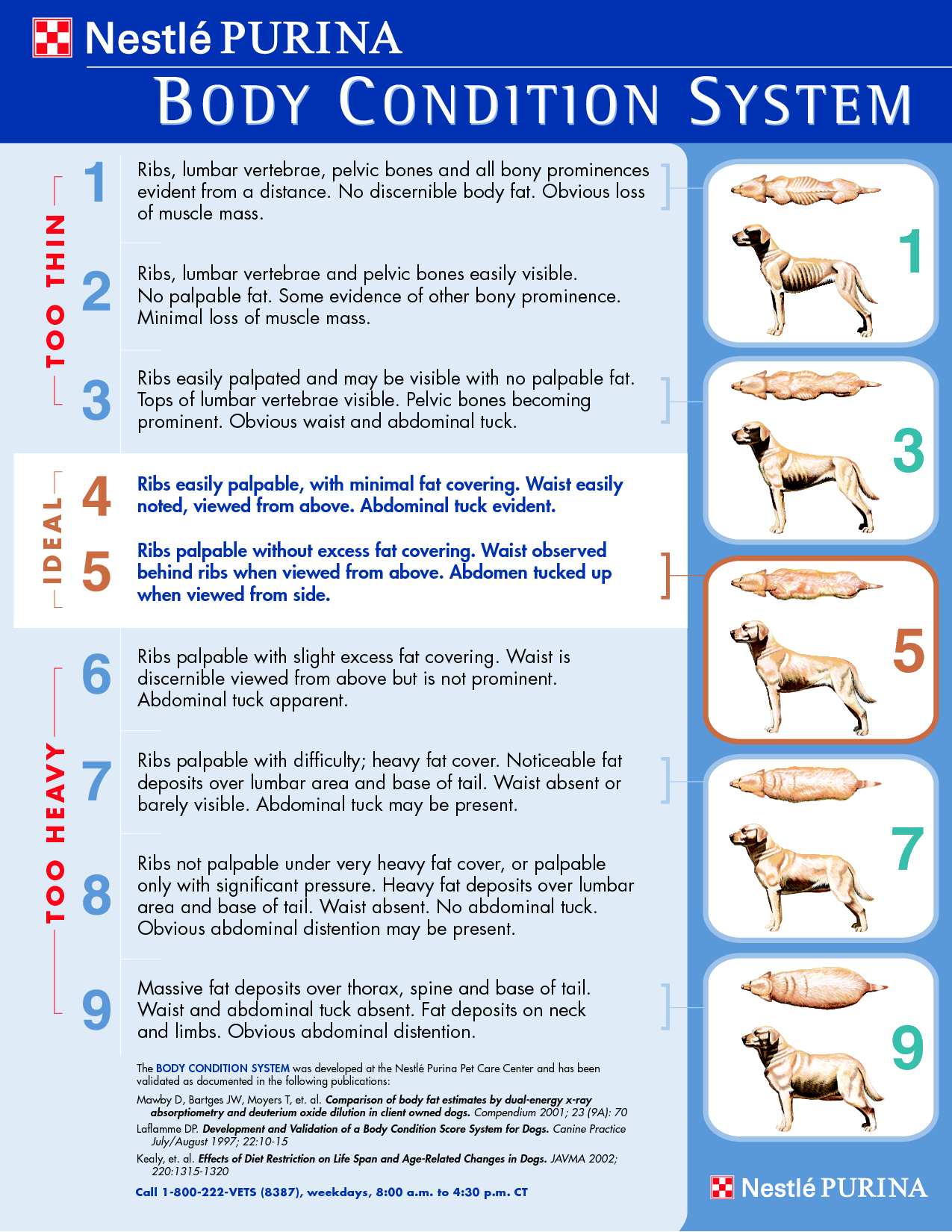
Many owners feel that their dogs are the appropriate weight for their size, but unfortunately, this is not the case. Even many veterinarians have gotten so used to seeing obese dogs that they can’t even tell when dogs are fat! A dog should have a defined waist, with ribs easily felt but not visible. This guideline goes for most breeds. While some, such as bulldogs, should be stockier and heavier than others, they still should not be allowed to become the giant bowling balls we see walking around!
#2 – Scheduled Feeding
While few people free-feed their dogs (meaning they leave a full bowl of dog food out all day), some still do. It’s rare for dogs to self-regulate their eating, and most owners find that food doesn’t stay in the bowl for long. If we filled it up every time it was empty, our dogs would never stop eating! Free access to food increases our dogs’ risk of overeating and becoming overweight. Scheduled meals are more appropriate because we can regulate how much our dogs eat and when.
#3 – Portion Control
One of the benefits of scheduled meals is that we can regulate our dogs’ food consumption. Since each dog is different, we can control how much each of our dogs are eating per day. It’s important to find out how much your dog needs to eat in order to maintain a healthy weight. If your dog is overweight, try decreasing the amount of food offered by 1/4. Gradually decrease the amounts until your dog is at his desired weight. Remember not to guess and actually measure the amount of food given – this way you’ll know exactly how much your dog needs.
#4 – Get Moving!
This is for you and your dog! We know everyone talks about exercise for weight loss, but it’s not the only reason it’s important. Exercise maintains your dog’s physical health as well as his mental health. A dog that lacks proper exercise becomes unhappy and typically starts displaying undesirable behaviors, such as chewing and digging. Keeping your dog on a regular exercise schedule will keep his weight appropriate and his mind clear.
#5 – Beware of Diet Foods
There are a lot of dog foods on the market that are marketed towards owners looking to take a few pounds off their pets. But it’s important to read the labels on these foods. Most of them reduce the amount of nutritious meat and add more filler ingredients. They are lower in calories, but also lower in nutrition, which means you’re left with a dog feeling very hungry and not getting all of the nourishment he needs.
#6 – Regular Weigh-Ins
Just like with people, weekly weight checks are great for our dogs too! When you weigh your dog weekly, you can see how well your new diet and exercise plan is working – if at all. All dogs are different, so they each need their own custom regimens. By keeping track of your dog’s starting weight and how much she’s lost since the beginning of the diet, you can make sure your dog is losing weight at the right speed. Too much weight loss too soon can be bad for her as well.
#7 – Get Everyone On Board
This means the people! If you decide that your dog needs to lose weight, but someone else keeps sneaking her treats, you’ll never see any progress! All this does is create some tension between everyone and confusion for the dog. If you’ve got a pup on a diet and she’s not losing any weight, be sure to check with the rest of the family.
#8 – Food is Love
Most of society in any country today revolves around food. When we want to share a good time and celebrate with friends and family, there are often great meals to be had. There’s nothing wrong with this because it’s the way we work as social animals. To us, food means love. If you’re having a hard time cutting back on treats and meals, just remind yourself of this. Your dog doesn’t think you love her any less, and because you’re feeding her less, it doesn’t mean you don’t care! Many people feel guilty about not feeding their begging pooch, so they give in. But just as you might feed yourself when feeling emotional, it doesn’t mean you should also feed your dog. You can show her love with toys and play just as easily.
#9 – Take Treats into Account
This is especially important if you’re training your dog often. Training is typically done with treats, and you might feed a lot of treats in any given session. Keep this in mind when planning your dog’s meals. Subtract the amount of treats given from the meal, and you won’t end up with a dog that’s overweight. Many people don’t lessen their dog’s meals when they are feeding more treats, and overlook what’s often a large increase in calorie consumption.
#10 – Substitute with Veggies
When we do decrease the amount of food our dogs are used to eating, they often do become hungrier. In order to counteract this, we can add in fresh, steamed vegetables like green beans or spinach. These are high in fiber but low in calories, so they help our pets feel full while still allowing for the diet to continue.
#11 – Rotate Your Dog’s Toys More Frequently
It sounds simple, but rotating your dog’s toys can increase their activity levels. Like children, dogs quickly become bored with seeing the same toys day after day. By hiding your dog’s old toy for a period of time, and then reintroducing them, you’ll keep them fresh and more likely to be played with. Or you can add a new toy to the dog’s collection (for each toy sold here on iHeartDogs, we also donate one to a shelter dog!)
#12 – Cut Carbs, Increase Protein
It’s easy to believe that dry dog food is formulated with our dogs’ best interests in mind. The reality, however, is that kibble was created for convenience’s sake and is packed with carbohydrates and sugar that allow it to be shelf-stable.
By slowly reducing the amount of carbs and sugar your dog is consuming, and replacing them with more biologically appropriate protein (which is their ancestral diet), you can help your pup shed weight. One popular way to increase protein is by adding a raw egg in place of some kibble. Or consider adding some single-ingredient, freeze-dried protein toppers to your dog’s bowl.
Keep Your Dog at a Healthy Weight for a Longer, Happier Life
Preventing obesity in dogs doesn’t have to feel overwhelming; it starts with small, consistent choices that add up over time. By learning what a healthy body shape looks like, sticking to scheduled meals, measuring portions, limiting extra calories from treats, and keeping your pup moving every day, you can protect them from many weight-related health issues and help them feel their best. If you’re unsure whether your dog is at an ideal weight or how much they should be eating, your veterinarian can help you build a safe plan that supports healthy weight loss without sacrificing nutrition. A healthy weight doesn’t just mean a slimmer dog; it means more energy, less pain, fewer illnesses, and more happy years by your side.
The post Could Your Dog’s Diet Be Shortening His Lifespan? Here’s How To Tell. appeared first on iHeartDogs.com.