
Shutterstock
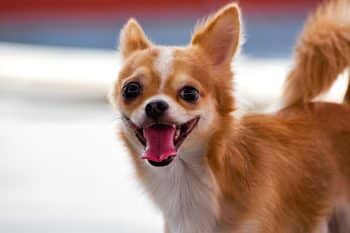
Some dogs express themselves quietly, while others seem determined to make their voices heard at every opportunity. Certain breeds are naturally more vocal, using barking to communicate, alert, and interact with their surroundings. Their tendency to bark often comes from strong instincts, high energy, or a deep sense of awareness. While this trait can be challenging in some homes, it also reflects intelligence, alertness, and a strong desire to stay engaged, expressive, and connected to everything happening around them each day.
Beagle
Shutterstock
Beagles are known for their distinctive baying sound, which is both loud and persistent. Originally bred for hunting, they use their voice to communicate over long distances. This instinct carries into home life, where they may bark or howl frequently. Their vocal nature is tied to their strong sense of smell and curiosity, making them highly expressive companions.
Chihuahua
Shutterstock
Chihuahuas may be small, but they have big voices and are not shy about using them. They tend to bark at unfamiliar sounds, people, or situations, often acting as tiny watchdogs. Their alert nature makes them quick to react, which can lead to frequent vocalization. Their confidence and awareness drive their need to speak up.
Dachshund
Shutterstock
Dachshunds were bred to hunt burrowing animals, which required them to bark loudly to signal their location. This trait remains strong today, leading them to bark often. They are alert and determined, often reacting quickly to changes in their environment. Their vocal nature is part of their bold personality.
Miniature Schnauzer
Shutterstock
Miniature Schnauzers are lively dogs that are always aware of their surroundings. They are quick to bark at anything unusual, making them excellent watchdogs. Their vocal nature is paired with high energy and curiosity. They enjoy interacting with their environment, often using their voice to do so.
Yorkshire Terrier
Shutterstock
Yorkshire Terriers are small dogs with strong personalities and a tendency to bark. They are alert and often vocal about changes in their environment. Their watchdog instincts make them quick to sound the alarm. Despite their size, they have a surprisingly loud voice.
Pomeranian
Shutterstock
Pomeranians are lively and expressive dogs that enjoy using their voice. They are highly alert and often bark at new sights or sounds. Their vocal nature is tied to their energetic personality. They tend to stay engaged with their surroundings, often expressing themselves through barking.
Siberian Husky
Shutterstock
Siberian Huskies are known for their howling rather than traditional barking. They are highly expressive and often vocalize to communicate. Their social nature leads them to use sound as a form of interaction. They enjoy expressing themselves and may vocalize frequently.
German Shepherd
Shutterstock
German Shepherds are intelligent and alert dogs that use barking as a form of communication. They are protective and quick to respond to unfamiliar situations. Their vocal nature is tied to their role as guardians. They often bark to alert their owners and maintain awareness.
Shetland Sheepdog
Shutterstock
Shetland Sheepdogs are highly alert and responsive, often barking to communicate. They are sensitive to changes in their environment and react quickly. Their herding background contributes to their vocal tendencies. They use barking as a way to manage and respond to activity.
Alaskan Malamute
Shutterstock
Alaskan Malamutes are known for their vocal expressions, including howling and talking sounds. They are social dogs that use their voice to interact. Their expressive nature leads to frequent vocalization. They enjoy communicating with both people and other dogs.
Cocker Spaniel
Shutterstock
Cocker Spaniels are friendly but can be quite vocal when stimulated. They tend to bark in response to excitement or unfamiliar sounds. Their alert nature makes them responsive to their environment. Their vocal tendencies are part of their expressive personality.
Fox Terrier
Shutterstock
Fox Terriers are energetic and highly alert dogs that often bark to express excitement. They are quick to react and enjoy engaging with their surroundings. Their lively personality contributes to their vocal nature. They are always ready to make their presence known.
Basset Hound
Shutterstock
Basset Hounds are known for their deep, loud baying sound. They use their voice to communicate, especially when tracking scents. Their vocal nature is part of their hunting heritage. They often express themselves through prolonged and distinctive sounds.
Scottish Terrier
Shutterstock
Scottish Terriers are confident dogs that are not afraid to bark. They are alert and often vocal about changes in their surroundings. Their independent nature pairs with a strong voice. They tend to express themselves clearly and frequently.
West Highland White Terrier
Shutterstock
West Highland White Terriers are lively and expressive dogs that often bark. They are alert and responsive to their environment. Their energetic personality contributes to their vocal tendencies. They enjoy interacting and often use their voice to do so.
The Neighborhood Noise Committee
Shutterstock
Living with a vocal dog means embracing a home filled with sound, personality, and constant communication. These breeds are not barking without purpose; they respond to their environment, express excitement, and follow instincts shaped over generations. Their volume can feel overwhelming at times, but it also reflects strong awareness and engagement. With proper training and patience, their barking can be guided while still appreciating their expressive nature. These dogs show that communication comes in many forms, and sometimes it is simply louder than expected.
The post 15 Loud Dog Breeds Known For Excessive Barking appeared first on iHeartDogs.com.