
Shutterstock
Before high-tech gear took over surveillance and security, dogs were the original defenders—sharp-eyed, loyal, and fearless. On old U.S. military bases, these brave canines patrolled perimeters, sniffed out threats, and stood guard through long, tense nights. They weren’t just mascots or morale boosters; they were trained soldiers with instincts sharper than any motion detector. From sniffing out explosives to offering comfort between missions, these dogs earned their stripes with grit, loyalty, and the kind of silent strength that made them true legends in uniform.
German Shepherd
Shutterstock
German Shepherds were the ultimate military working dogs, known for their discipline, courage, and versatility. Used extensively during both World Wars and stationed at U.S. military bases for patrol, detection, and even combat-related tasks, these dogs quickly became standard for K-9 units. Their trainability and sharp instincts made them ideal for guarding gates, sniffing out explosives, and chasing down would-be intruders. Off duty, they bonded deeply with their handlers, offering rare moments of comfort in high-stress environments. You slept more easily if a German Shepherd was stationed at your base.
Doberman Pinscher
Shutterstock
With their sleek build and intense stare, Dobermans made an intimidating sight on any military base. They were especially prominent during World War II, often called “Devil Dogs” by the U.S. Marines for their fierce loyalty and battlefield bravery. On bases, they worked as sentries, patrolling perimeters with purpose and focus, and were famous for silently alerting handlers of suspicious activity. While their reputation was intimidating, Dobermans were known to be affectionate and loyal off-duty. They were the kind of dog that could scare away a trespasser and snuggle with a homesick soldier an hour later.
Labrador Retriever
Shutterstock
Labradors may seem like lovable goofballs, but they had a serious job on military bases—sniffing out explosives and contraband like seasoned pros. Their incredible noses and even temper made them ideal for detection work, especially in busy base environments with constant distractions. They often patrolled airfields, loading docks, and even barracks, tails wagging but noses laser-focused. Their friendly appearance also made them perfect for community-facing roles within the base, especially when morale needed a boost. Don’t be fooled by their charm—those Labs were sniffing out the bad stuff before you knew it was there.
Boxer
Shutterstock
Boxers were versatile, courageous, and built like tanks with rocket boosters. Used in both World Wars and later stationed at U.S. bases as patrol and messenger dogs, Boxers brought energy and reliability to every assignment. Their expressive faces made them beloved among troops, but their strength and alertness made them ideal for guarding supply depots and ammunition zones. They were often used in short-range communication tasks, running messages between units when radios were unavailable. Boxers: equal parts bodyguard and morale officer.
Rottweiler
Shutterstock
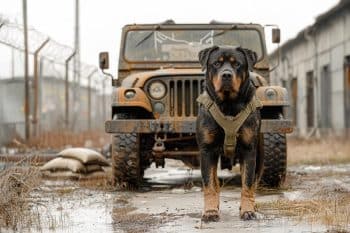
Rottweilers brought brute strength and steady nerves to their military posts. These muscular guardians often protected sensitive areas like weapons caches and secure compounds. Their powerful build and commanding bark discouraged unwanted visitors before they even got close, and their calm, calculating demeanor made them excellent during tense situations. Despite their tough exterior, Rotties formed deep bonds with their handlers and often showed surprising sensitivity when off-duty. In other words, they could go from security system to cuddle machine in under 30 seconds.
Belgian Malinois
Shutterstock
Think of the Belgian Malinois as the Navy SEAL of dog breeds—lean, mean, and built for speed. These dogs were deployed to bases across the U.S. and beyond, often serving alongside elite units thanks to their unmatched agility and laser-sharp focus. Malinois excelled in narcotics detection, explosives work, and high-risk patrols, often scaling obstacles that would leave other breeds scratching their heads. Their energy was off the charts, which made them perfect for long shifts and quick reaction duties. Basically, if trouble showed up at the base, the Malinois had already found it and possibly sat on it
Bloodhound
Shutterstock
If there was something or someone missing on base, the Bloodhound was called in. With scent-tracking abilities so precise they’ve been upheld in court, these long-eared detectives were stationed on bases primarily for search and rescue or suspect-tracking operations. Whether it was a missing soldier or a fugitive sneaking through the perimeter, the Bloodhound’s nose led the way. Though not as aggressive as other working breeds, they were respected for their singular focus and unmatched olfactory power. You didn’t argue with a Bloodhound—you just followed behind and hoped you could keep up.
Giant Schnauzer
Shutterstock
Giant Schnauzers were the under-the-radar badasses of military bases. With their serious expressions and no-nonsense attitude, they worked alongside military police as patrol dogs and guard dogs, particularly in colder regions where their thick coats offered extra protection. Intelligent and fiercely loyal, they could detect threats and respond quickly without hesitation. Unlike their smaller cousins, Giant Schnauzers were built for physical challenges and had the endurance to patrol large areas for extended periods. And let’s be honest—those eyebrows alone were enough to stop a would-be intruder in their tracks.
Alaskan Malamute
Shutterstock
While not a traditional choice for combat roles, Alaskan Malamutes played crucial support roles at remote and Arctic military installations. These powerful sled dogs were used to transport supplies, communication gear, and even injured personnel in snowy conditions where vehicles couldn’t go. Their endurance and tolerance for extreme weather made them indispensable in early Cold War-era bases and training sites in Alaska. Beyond their work ethic, they provided much-needed companionship during long, isolating winters. Malamutes didn’t just haul gear—they hauled morale.
The K-9s Who Took “Reporting for Duty” Literally
MidJourney
These breeds weren’t just good boys and girls—they were four-legged soldiers, gatekeepers, and best friends rolled into one. They sniffed out trouble, chased down the bad guys, and still had the emotional range to nuzzle a homesick private who needed a friend. On bases where concrete met chaos, these dogs stood between danger and duty, tails wagging and noses twitching. So next time you think about military heroes, remember the ones who didn’t carry weapons, but carried the weight of loyalty like no one else could.
The post 9 Dog Breeds That Played Key Roles in Old Military Bases Across the U.S. appeared first on iHeartDogs.com.