
Shutterstock
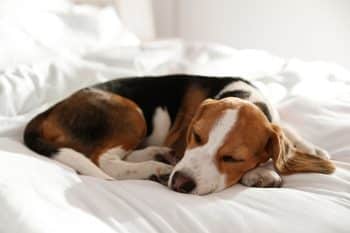
If you’ve ever seen your dog twitch, kick their paws, or let out a tiny bark in their sleep, you’ve probably wondered what’s going on in that furry little head. As it turns out, dogs have surprisingly complex dream lives. Their sleep is more than just rest; it’s filled with mini adventures, from chasing dream squirrels to replaying moments spent with their favorite human. Those sleepy movements aren’t random. They’re glimpses into your dog’s vivid dream world, full of emotion, memory, and more action than we ever imagined.
Dogs Experience REM Sleep
Shutterstock
Just like humans, dogs go through REM (Rapid Eye Movement) sleep, the stage most associated with dreaming. During this phase, their brains are incredibly active, even if their bodies look like they’re peacefully zonked out. It’s in REM that the kicking, tail flicking, and adorable little yips happen. This is when they’re most likely dreaming and probably starring in their own personal dog movie.
Puppies Dream More Than Adult Dogs
Shutterstock
Puppies, with their fresh and rapidly developing brains, dream more frequently than adult dogs. Their REM cycles happen more often and last longer, which means they get more practice running around in dreamland. It’s like their brains are doing all the homework for real-life play. So those dramatic sleep-twitch sessions you see in your young pup? Totally normal and kind of adorable.
Smaller Breeds Dream More Often
Shutterstock
Here’s a fun twist: Small dogs tend to dream more frequently, while larger dogs dream less often but for longer stretches. So your Chihuahua might have ten quick dreams in a night, while your Great Dane has one long, epic nap-movie. It’s still a mystery why, but size really does play a role in dream patterns. It’s like comparing short TikToks to full-length doggy documentaries.
Dogs Might Dream About Their Humans
Shutterstock
Yes, your dog probably dreams about you! Experts believe dogs dream about everyday experiences, and since you’re their world, chances are high that you make a guest appearance in their sleep. Whether it’s cuddling, playing, or getting that treat you almost forgot to give them, you’re probably in there somewhere. So next time your pup smiles mid-snore, they might just be dreaming of you.
Their Brains Are Wired Like Ours
Shutterstock
Studies show that a dog’s brain activity during sleep is strikingly similar to a human’s. That means their dreams aren’t random; there’s structure and memory involved. Their brains replay recent experiences and emotions, just like ours do. They might be dreaming about a walk they had earlier or that squirrel they almost caught (but definitely didn’t).
They Can Have Nightmares
Shutterstock
Unfortunately, not all dog dreams are happy. Dogs can have nightmares, especially those who’ve had traumatic pasts or suffer from anxiety. If your pup wakes up startled or suddenly cries in their sleep, it might be the result of a scary dream. Comforting them gently and keeping a calm sleep environment can help. Even in dreams, they need a little reassurance.
Dreaming Helps with Learning
Shutterstock
Just like humans, dogs use sleep to help process and store information. After a training session or a big day of learning something new, they often dream more deeply. It’s like their brains are reviewing everything on their mental whiteboard. So yes, that nap after obedience class might actually be homework.
Dogs Have Muscle Twitches for a Reason
Shutterstock
Those cute twitches, kicks, and tail wags during sleep aren’t random; they’re physical responses to their dream content. Scientists believe that during REM, most of the brain is paralyzed to prevent acting out dreams, but in dogs (especially puppies), that “sleep paralysis” isn’t fully developed. That’s why their bodies still react to their imaginary adventures.
Not All Breeds Dream Alike
Shutterstock
Breed can influence dreaming behavior. Working breeds like Border Collies and German Shepherds tend to have more active dreams because of their high intelligence and active daytime lives. Laid-back breeds like Bulldogs might not have the same dream intensity. Basically, your dog’s dream life might reflect their real-world personality more than you think.
Some Dogs Snore Loudly in REM Sleep
Shutterstock
While not directly related to dreaming, REM sleep is also when dogs snore the loudest. Their bodies are most relaxed, and that floppy tongue or smooshed snout (looking at you, Pugs) can make for some comical nighttime sound effects. Just remember it means they’re in deep sleep, possibly mid-dream adventure, and snoring their way to glory.
You Can’t Wake a Dream Dog Easily
Shutterstock
If your dog is dreaming, you’ll often notice it’s harder to wake them up than during lighter sleep. That deep REM state keeps them locked into their dream world, even if they’re yipping or kicking. It’s best to let them finish their episode and wake up naturally unless it seems like a nightmare. They’re not ignoring you; they’re just a little busy chasing dream tennis balls.
The Snore, The Twitch, and The Squirrel
Shutterstock
Dog dreams are funny, sweet, and often full of adorable chaos. From soft snores to dramatic paw twitches, our pups seem to live a second life while they sleep one filled with squirrels, treats, and heart-melting moments. Their dream world is surprisingly vivid, and whether they’re chasing an imaginary ball or reenacting a cozy cuddle session, it’s all fueled by love and memory. And the best part? You’re probably right there in the middle of it. After all, their favorite adventures always include you.
The post 11 Surprising Facts About Dog Dreams appeared first on iHeartDogs.com.