
Shutterstock
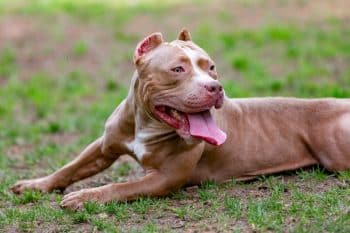
Certain dog breeds face bans around the world, often based on fear, incidents, or outdated reputations. A breed that’s welcome in one country might be restricted or banned in another. Laws vary, and many focus on appearance or past headlines rather than individual behavior. Before traveling or relocating, dog owners should always check local regulations. Rules might include required muzzles, special permits, or even full bans. Knowing the risks helps protect both pets and people, and encourages smarter, safer dog ownership everywhere.
Pit Bull Terrier
Shutterstock
Pit Bulls, including several closely related types, face bans due to perceived aggression and high-profile bite cases. Countries place restrictions on ownership, sometimes requiring muzzles in public or insurance. Scientific studies show many factors affect behavior beyond breed, but policymakers often act on fear. Responsible owners must demonstrate training, temperament tests, and community experience. Bans stem from concern, though many believe in reform through education and socialization.
Rottweiler
Shutterstock
Rottweilers are banned or restricted due to their powerful build and occasional aggressive incidents. Regulations often require specialized permits or liability insurance. Advocates emphasize that proper training channels their protective nature into positive behavior. Assessments of individual temperament are common in areas where they’re legal. Rottweilers challenge owners to meet rigorous standards of responsible care.
Doberman Pinscher
Shutterstock
Doberman Pinschers face bans in some regions due to their history as guard dogs and media portrayals tied to aggression. Regulations may require spaying/neutering, muzzling, or insurance. Advocates argue that early socialization and firm training shape their intelligence and loyalty into responsible guardians. Temperament testing helps clarify which individuals are right for public environments. In many places, they’re allowed under strict ownership conditions.
Staffordshire Bull Terrier
Shutterstock
Stafford bull types are restricted in areas due to confusion with other breeds and association with dog fighting. Laws may mandate registration, muzzles, or bans altogether. Supporters highlight their affectionate nature when raised responsibly. Training and public exposure prove temperament more than breed. Owners often fight for clearer rules based on behavior versus appearance.
Akita
Shutterstock
Akitas are banned in some countries because of their strong-willed and protective instincts. Ownership rules in these regions often require private housing only. Akitas bond closely with family but can grow distrustful of strangers without socialization. Training measures include obedience classes and responsible containment. While majestic and dignified, their temperament needs careful management.
Dogo Argentino
Shutterstock
Dogo Argentinos are bred for big game hunting, leading to restrictions due to their strength and drive. Permits often include professional training and specialized containment. When well-socialized, they’re affectionate companions with high energy and loyalty. Laws treat them as high-risk, but structured training highlights their positive potential. Owners must commit deeply to handling their instincts safely.
American Pit Bull Terrier
Shutterstock
Although discussed in broader Pit Bull categories, the American Pit Bull Terrier is distinct and banned separately in places like the UK and Australia. Owners in these regions face strict rules such as muzzling, mandatory registration, and public insurance. Advocates invest time in behavior testing and rehabilitation to prove responsible ownership. This breed’s restrictions remind us that once-labeled dogs must follow elevated standards even to walk down the street.
Dutch Shepherd
Shutterstock
Dutch Shepherds are banned in select regions due to their high-energy working heritage and protective nature. Enforcement measures in those areas may require proof of advanced obedience, certified training, and secure housing. These dogs excel when partnered with owners who match their drive with structure. Without proper engagement, they can become bored or reactive, a certainty that spurs bans. In the right hands, they prove themselves as intelligent, loyal protectors.
Neapolitan Mastiff
Shutterstock
Neapolitan Mastiffs face restrictions because of their size and protective nature. Regulations may require liability insurance and strict containment. They often bond deeply with humans and become gentle guardians. Without proper guidance they can become overly suspicious of strangers. Responsible ownership means training, early exposure, and secure housing.
Boerboel
Shutterstock
Boerboels are subject to restrictions due to size, power, and protective drive. Owners must provide secure fencing and liability coverage. With proper training, they form devoted family bonds and controlled guard instincts. Misbehavior often stems from poor ownership rather than breed traits. Commitment to socialization and consistency is essential.
Cane Corso
Shutterstock
Cane Corsos are banned or restricted in some jurisdictions due to their guarding traits and power. Permits often include obedience testing and insurance coverage. With training and socialization, they are loyal, protective companions. Their strength is manageable when owners apply understanding management and boundaries. Ownership involves respect for their size and instinct.
The Banned Bark Club Banter
Shutterstock
These dog breeds show that many bans come from fear, not the dog’s true nature. Responsible ownership, proper training, and socialization can build trust and change minds. Through education and understanding, we can turn strict laws into fair protections that respect both people and pets. Knowing each breed’s history helps us meet both legal and emotional responsibilities. With compassion and awareness, it’s possible to create a safer world where dogs are judged by behavior, not labels, and love wins over fear.
The post 11 Dog Breeds Banned in Multiple Countries Worldwide appeared first on iHeartDogs.com.