
Shutterstock
Furry dog breeds built for cold weather look happiest when the air turns crisp, and the ground feels chilly under their paws. While some dogs shiver at winter’s first hint, these fluffy companions lean into the season with confidence and joy. Many were developed in northern climates, so they often have dense double coats, sturdy frames, and an energetic spirit that thrives in cool air. With proper grooming and safe outdoor time, they enjoy frosty walks and snowy play, then settle into cozy indoor routines with their favorite people.
Siberian Husky
Shutterstock
Siberian Huskies were bred for cold climates and long-distance travel, so chilly weather feels like their natural element. Their thick double coat insulates them well, and their strong paws help them move confidently over icy ground. Huskies often become more energetic in cool weather and may treat snow like a personal playground. They still need training and supervision, because their adventurous spirit can lead them to explore farther than you planned.
Alaskan Malamute
Shutterstock
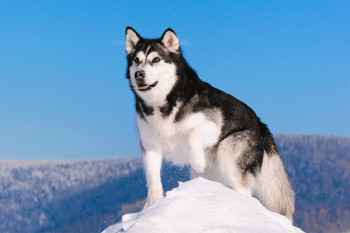
Alaskan Malamutes are powerful, furry dogs built for cold-weather work and harsh conditions. Their dense coat and strong body help them stay comfortable in freezing temperatures, especially when they are moving and active. Malamutes tend to enjoy steady winter walks and snow play, and they often look proud doing it. Because of their size and strength, early leash training is important, especially when winter footing gets slippery.
Samoyed
Shutterstock
Samoyeds are famous for their bright smile and cloud-like coats that were made for cold climates. Their thick fur helps them handle winter temperatures with ease, and they often enjoy being outdoors when it is cool. They are playful and social, which makes snowy days feel like a celebration to them. Samoyeds require consistent grooming, because their beautiful coat can tangle and mat if it is not cared for properly.
Newfoundland
Shutterstock
Newfoundlands are giant, sweet-natured dogs with thick coats that help them handle chilly weather comfortably. They often enjoy cool air and steady outdoor activities, especially when they can stay close to their family. Their calm temperament makes them a relaxed winter companion, even when the weather feels dramatic. Because of their size, they benefit from joint support and gradual exercise routines, particularly on icy or uneven surfaces.
Bernese Mountain Dog
Shutterstock
Bernese Mountain Dogs were bred for alpine regions, so cold days often suit them perfectly. Their thick coat provides insulation, and their sturdy build helps them handle snowy walks with confidence. They are typically gentle and affectionate, making them wonderful companions for cozy winter households. Because their coat is long and dense, they need regular brushing, especially in winter when snow and moisture can cling to the fur.
Akita
Shutterstock
Akitas are hardy dogs with thick coats and a calm, dignified presence that suits winter environments. They were developed in colder regions and have a strong, sturdy build that can handle chilly outdoor temperatures. Akitas tend to be independent and loyal, often forming deep bonds with their family while remaining reserved with strangers. Consistent socialization and training are important, especially because their strength and confidence can become stubbornness without clear guidance.
Chow Chow
Shutterstock
Chow Chows have a dense, lion-like coat that helps them tolerate cool temperatures well. They are not always high-energy dogs, but many enjoy calm winter walks and short bursts of outdoor play. Their temperament can be reserved, and they usually prefer predictable routines with their chosen people. Due to their heavy coat, it is essential to keep them clean and brushed, especially in wet winter conditions that can cause matting.
Keeshond
Shutterstock
Keeshonds have thick coats and cheerful personalities that make them excellent companions for cold weather. They were bred to live in cooler climates and often enjoy crisp outdoor air, especially when they can stay close to their family. Keeshonds are social and alert, and they tend to bring enthusiasm to winter walks without needing extreme exercise. They do require regular grooming, because their dense coat can shed heavily and trap moisture if not maintained.
Great Pyrenees
Shutterstock
Great Pyrenees were bred to guard livestock in mountainous regions, so cold weather is part of their comfort zone. Their thick coat provides insulation, and their steady temperament helps them stay calm even when the environment feels harsh. They often enjoy slow, purposeful winter walks and may prefer cooler temperatures over warm ones. Their independent streak means recall training is important, especially because they can wander if they decide to patrol.
Norwegian Elkhound
Shutterstock
Norwegian Elkhounds are compact, strong dogs built for cold conditions and outdoor endurance. They have a thick coat and a bold personality that thrives during cool-weather activities. Elkhounds tend to enjoy hiking, exploring, and playing in winter environments where they can move freely and use their senses. They are also vocal and alert, so training and mental stimulation help keep them balanced and polite at home.
Tibetan Mastiff
Shutterstock
Tibetan Mastiffs have an impressive coat and a rugged build designed for cold, high-altitude environments. They often handle winter temperatures comfortably and may prefer cool nights and crisp mornings. Their temperament is independent and protective, which can make them better suited for experienced owners who appreciate a more serious personality. Grooming is essential, especially during seasonal shedding when their thick coat can release dramatic amounts of fur.
The Fluff Squad Demands More Snow
Shutterstock
Living with a cold-loving furry breed means you will reach for a jacket while your dog acts like winter is their favorite holiday. These breeds adore crisp air, snowy strolls, and frosty adventures that send other dogs running indoors. Thick coats and hardy bodies help them stay comfortable, but they still need grooming, hydration, and safe exercise on icy surfaces. With the right owner, they turn cold days into joyful memories. Just be prepared, your dog may demand longer walks and look personally offended if you suggest going home early.
The post 11 Furry Dog Breeds That Love Cold Weather Days appeared first on iHeartDogs.com.