
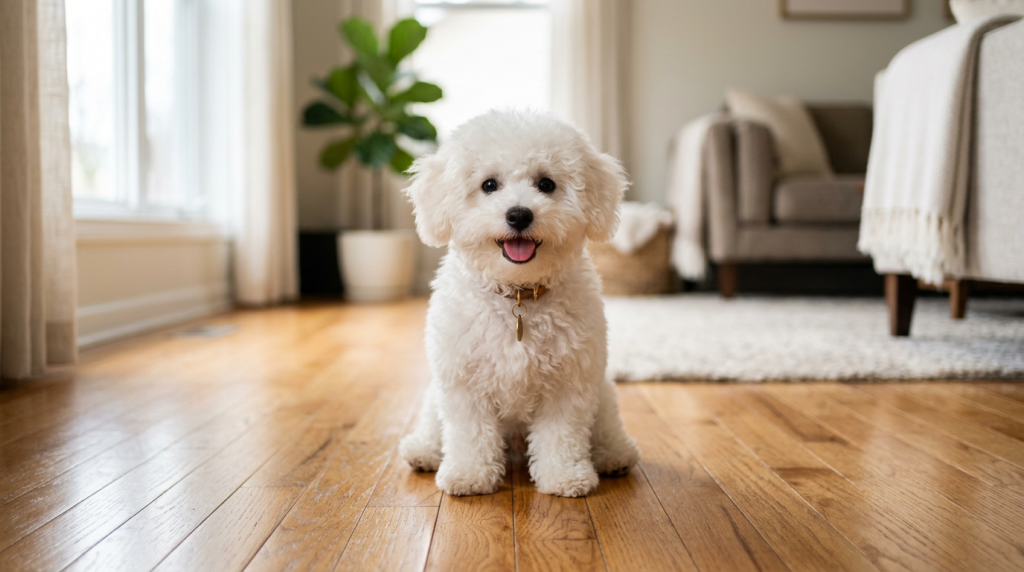
You’ve swept the floors twice this week and the dog hair is still winning. Sound familiar? If you’re tired of lint rollers and fur-covered furniture, the good news is you don’t have to choose between having a dog and having a clean home.
There are plenty of small dog breeds that don’t shed (or shed so little it barely registers). These dogs have hair instead of fur, or a coat type that naturally traps loose strands before they hit your couch. The trade-off? Regular grooming appointments. But most owners gladly make that swap.
Below you’ll find 15+ breeds broken into two groups: truly tiny dogs under 10 pounds, and slightly bigger small dogs in the 10-20 pound range. Each entry covers coat type, how much grooming it actually takes, and what living with that dog is like day-to-day.
Quick note: no dog is 100% shed-free. Even hairless breeds drop the occasional strand. But the breeds on this list produce so little loose hair that most people with mild dog allergies or strong housekeeping preferences get along with them just fine. If allergies are your main concern, you’ll want to dig into our guide on 13 hypoallergenic dog breeds for more detail on dander levels too.
Why Some Dogs Don’t Shed
Hair vs. fur: Breeds like Yorkies and Maltese grow hair with long growth cycles, so loose strands stay in the coat until brushed out.
Curly/wavy coats: Poodles and Bichons have curly coats that trap loose hair rather than releasing it onto your floors.
Single-layer coats: Many low-shed breeds lack the dense undercoat that double-coated dogs shed seasonally.
Hairless genetics: Chinese Crested and Xoloitzcuintli carry a gene mutation that limits hair growth entirely.
Wiry coats: Terriers and Schnauzers have coarse, thick coat textures that hold onto dead hair until hand-stripped or groomed.
Small Dog Breeds Under 10 Pounds That Don’t Shed
These are the truly pocket-sized low-shed dogs. Most top out under 7 pounds full-grown, which makes them ideal for apartments, travel, and people who want a dog that fits in a tote bag.
1. Yorkshire Terrier (Yorkie)
Weight: 4-7 lbs | Coat: Fine, silky, straight
The Yorkie’s coat is technically hair, not fur, and it grows continuously like human hair. That means almost zero shedding on your floors. What you do get is a coat that tangles easily if you let it grow long. Most owners keep Yorkies in a short “puppy cut” that needs a trim every 6-8 weeks. Daily brushing keeps mats from forming between appointments.
Personality-wise, Yorkies think they’re much bigger than they are. They’re bold, vocal, and surprisingly athletic. They bond tightly to one or two people and can be a bit suspicious of strangers. Great for singles or couples; less predictable with very young kids unless raised together from puppyhood.
2. Toy Poodle
Weight: 4-6 lbs | Coat: Dense, curly
Toy Poodles are at the top of basically every “smart small dog” list. Their curly coat traps loose hair instead of releasing it, making them one of the genuinely lowest-shedding breeds around. The downside: that curly coat mats fast without regular brushing, and they need a professional groom every 6-8 weeks.
They’re agile, trainable, and adapt well to almost any living situation. Poodles are also sensitive dogs. They pick up on your mood quickly and don’t do well with long periods of isolation. If you’re home a lot, they thrive. If you’re gone 10 hours a day, they might develop anxious habits. Check out the 10 dog breeds similar to Poodles if you want the low-shed benefit without the Poodle temperament.
3. Maltese
Weight: 4-7 lbs | Coat: Long, silky, white
One of the oldest of all toy breeds, the Maltese has been a lap dog for thousands of years. Their coat is pure white, flows to the ground when kept long, and sheds almost nothing. Like the Yorkie, it’s a single-layer coat made of hair rather than fur.
They’re gentle, affectionate, and love to be near their people. Maltese tend to get along well with other dogs and are calmer than most terriers. They do need daily coat care to prevent matting, and their white fur around the muzzle can stain from food and water, so you’ll want to wipe their face regularly. If you’re drawn to Maltese but want a bit more size, our 10 dog breeds similar to Maltese covers great alternatives.
4. Affenpinscher
Weight: 7-10 lbs | Coat: Dense, wiry, rough
The Affenpinscher (“monkey terrier” in German) has a scruffy, wiry coat that sheds minimally. It’s a rough-textured coat that looks perpetually ruffled in the best way. They need a brush a few times a week and professional hand-stripping or trimming every few months to stay tidy.
Personality: curious, stubborn, and hilarious to live with. They’ve got a big attitude for a tiny dog and will absolutely challenge you on commands they find inconvenient. They’re not the easiest breed for first-time owners, but experienced dog people love their character.
5. Bolognese
Weight: 5-9 lbs | Coat: Soft, fluffy, white, single-layer
The Bolognese is closely related to the Bichon and shares its nearly-no-shed quality. Their cottony coat stays on their body instead of decorating your sofa. They need regular brushing (a few times a week) and occasional trims to keep the coat from tangling.
They’re devoted almost to a fault. Bolognese want to be with their person constantly. They’re quieter and a bit more reserved than Bichons, which some owners prefer. Not a breed for anyone gone long hours, but if you work from home or want a gentle companion for quieter days, this one’s worth a look.
6. Chinese Crested (Hairless)
Weight: 8-12 lbs | Coat: Mostly hairless with tufts on head, paws, and tail
The hairless Chinese Crested is as close to zero shedding as any dog gets. There’s simply no coat to lose. The “Powderpuff” variety (same breed, full coat) sheds very little too, but the hairless version is the one allergy-conscious owners usually choose.
Their skin needs care that fur doesn’t: regular moisturizing, sunscreen outdoors, and protection from cold. They’re affectionate, playful, and bond deeply with their families. A bit odd-looking to some people, but fans of the breed are genuinely enthusiastic about them.
7. Russian Toy
Weight: 3-6 lbs | Coat: Short and smooth, or semi-long with feathering
Tiny even by toy breed standards, the Russian Toy barely registers on a scale. The smooth variety sheds almost nothing. The long-coated variety sheds slightly more but is still well below average. They need minimal grooming beyond weekly brushing.
Alert, loyal, and moderately active, they do well in apartments but need more exercise than people expect. They’re not fragile despite their size and handle daily activity well. Not as easy to find as some breeds on this list, but their popularity in the US is growing.
Small Dog Breeds 10-20 Pounds That Don’t Shed
If you want something you can actually feel when it sits in your lap, these slightly larger small breeds deliver on personality and the low-shed lifestyle.
8. Miniature Poodle
Weight: 10-15 lbs | Coat: Dense, curly
Everything great about the Toy Poodle, scaled up just a bit. Miniature Poodles get sturdy enough to roughhouse with kids but still compact enough for most living situations. The curly, low-shed coat is the same. So is the high intelligence.
They excel at learning tricks, obedience, and agility. They need mental stimulation or they’ll invent their own entertainment (usually involving your belongings). A tired Mini Poodle is a happy Mini Poodle. Exercise plus training sessions are a reliable daily formula.
9. Bichon Frise
Weight: 12-18 lbs | Coat: Soft, curly, dense, white
Round, fluffy, and perpetually cheerful – the Bichon Frise looks like a stuffed animal and acts like one too (in the best sense). Their double curly coat sheds minimally because loose hairs get caught in the outer layer before falling to the floor. Regular grooming keeps that fluffy look intact. They need a brush every couple of days and a professional groom every 4-6 weeks.
Bichons are easygoing with kids, other dogs, and visitors. They rarely meet a stranger. They do need attention and can develop separation anxiety if left alone too often. If you want a dog that makes everyone who walks in the door say “aww,” this is probably your breed. Explore dog breeds similar to Bichon Frises if you like the temperament but want other options.
10. Shih Tzu
Weight: 9-16 lbs | Coat: Long, flowing, silky, double-layered
The Shih Tzu’s long, luxurious coat is a defining feature. They shed very little, but that coat does require consistent maintenance. Many owners keep them in a shorter “teddy bear” cut to reduce daily brushing time, which is a very practical choice.
Shih Tzus are calm, adaptable, and friendly with almost everyone. They’re not as high-energy as some small breeds and are genuinely happy with a moderate daily walk and plenty of couch time. They tolerate apartment life exceptionally well. Not a great match for people who want an active hiking companion, but perfect for someone who wants a relaxed daily companion.
11. Miniature Schnauzer
Weight: 11-20 lbs | Coat: Wiry outer coat, soft undercoat
Miniature Schnauzers have a double coat, but the wiry outer layer holds onto loose hair rather than scattering it. They shed very little on furniture and floors. That coat does need hand-stripping or regular clipping to stay in shape, and they need brushing a few times a week to prevent matting in the softer undercoat underneath.
They’re spirited, alert, and excellent watchdogs for their size. They were originally bred to catch rats on farms, and that working instinct still shows in their personality. They’re active, love games, and need daily exercise. One of the most versatile small breeds on this list.
12. Coton de Tulear
Weight: 8-13 lbs | Coat: Soft, cotton-like, dense
Named after the port city of Tulear in Madagascar and the cotton-like texture of their coat, Cotons are almost unknown outside of dedicated dog circles but have passionate fans. Their coat is single-layer, soft, and sheds minimally. They need brushing a few times a week and occasional trims.
They’re clownish, cheerful, and bonds deeply with families. They get along with kids, dogs, and cats with minimal drama. One of the most adaptable breeds on this list. If you haven’t heard of them before, they’re worth a closer look.
13. Lhasa Apso
Weight: 12-18 lbs | Coat: Long, straight, dense
Lhasa Apsos were bred as guard dogs in Tibetan monasteries. Their long, heavy coat protected them from cold mountain air. That same coat sheds very little in everyday life – most loose hair stays tangled in the coat until you brush it out. They do need regular grooming, and the full-length coat requires daily brushing to prevent serious matting.
They’re more independent than most small breeds. Lhasas are loyal to their family but don’t feel the need to greet everyone enthusiastically. They can be stubborn with training and do better with patient, consistent owners than with harsh training methods. Good for experienced dog owners who want a calmer small dog with real character.
14. Havanese
Weight: 7-13 lbs | Coat: Silky, wavy, double-layer
Cuba’s national dog and one of the most sociable breeds on earth. Havanese shed minimally despite their flowing double coat. Their hair grows long and silky and stays on the dog rather than floating around your home. They need daily brushing when kept in a long coat and benefit from regular professional grooming.
They’re adaptable, playful, and genuinely love people. Havanese do well in apartments and with families. They’re one of the better options if you have kids, because they’re sturdy enough to handle play but gentle enough not to knock toddlers over. They also happen to appear on our fluffy dog breeds that look like stuffed animals list for obvious reasons.
15. West Highland White Terrier (Westie)
Weight: 15-22 lbs | Coat: Double coat, wiry outer, soft undercoat
Westies are technically at the upper edge of “small,” but they’re compact and well-proportioned. Their double coat sheds less than most double-coated breeds because the wiry outer layer traps loose hairs. Regular brushing and professional grooming every 6-8 weeks keeps their signature look intact.
They’re confident, independent, and full of personality. Like most terriers, Westies have a stubborn streak that makes training interesting. They’re active dogs that need daily exercise to stay balanced. They were bred to hunt, so they have a strong prey drive that makes off-leash situations a judgment call in unsecured areas.
Quick Comparison: Small Non-Shedding Dog Breeds
Breed
Weight
Coat Type
Grooming
Energy
Yorkshire Terrier
4-7 lbs
Fine, silky hair
High
Moderate-High
Toy Poodle
4-6 lbs
Dense, curly
High
Moderate-High
Maltese
4-7 lbs
Long, silky hair
High
Low-Moderate
Affenpinscher
7-10 lbs
Dense, wiry
Moderate
Moderate
Chinese Crested
8-12 lbs
Mostly hairless
Low (skin care)
Moderate
Miniature Poodle
10-15 lbs
Dense, curly
High
High
Bichon Frise
12-18 lbs
Soft, curly
High
Moderate
Shih Tzu
9-16 lbs
Long, silky
High
Low
Miniature Schnauzer
11-20 lbs
Wiry outer coat
Moderate-High
High
Coton de Tulear
8-13 lbs
Soft, cotton-like
Moderate
Moderate
Lhasa Apso
12-18 lbs
Long, dense
High
Low-Moderate
Havanese
7-13 lbs
Silky, wavy
Moderate-High
Moderate
West Highland Terrier
15-22 lbs
Wiry double coat
Moderate-High
High
What to Know Before You Pick a Low-Shed Small Dog
Less shedding doesn’t mean less grooming. Most low-shed breeds need more hands-on coat maintenance than shedding breeds, not less. The trade-off is that the mess stays on the dog (and your grooming tools) instead of your floors and furniture.
Budget for professional grooming every 6-8 weeks for most of the breeds on this list. That typically runs $50-$90 per visit depending on your location and the dog’s size. Over a year, you’re looking at $400-$700 in grooming costs. It’s not nothing, but for people who’ve dealt with year-round shedding, most say it’s worth every dollar.
You’ll also want to invest in a good slicker brush and a metal comb. Daily brushing for 5-10 minutes is way cheaper than emergency dematting appointments at the groomer.
If you want to see how these breeds stack up against larger low-shedding options, our 18 low-shedding dog breeds guide covers small through large breeds and breaks them all down by grooming level and lifestyle fit.
Picking the Right Breed for Your Life
Here’s what actually matters beyond the coat.
Activity level: Miniature Schnauzers, Westies, and Toy Poodles need real daily exercise. Shih Tzus and Maltese are happy with shorter walks. Match the dog’s energy to yours or you’ll both be unhappy.
Kids in the house: Bichon Frises and Havanese are your safest bets with younger children. Chinese Crested and Yorkshire Terriers can be fragile around rough play.
Alone time: Bolognese, Maltese, and Havanese struggle with long periods alone. Lhasa Apsos and Miniature Schnauzers are somewhat more independent. No small breed does well with 8+ hours solo regularly, but some handle it better than others.
Other pets: Bichons, Cotons, and Havanese typically get along with cats and other dogs. Terrier types (Yorkies, Westies, Affenpinschers) have higher prey drives and may be less reliable around small animals.
If you want a dog that feels more substantial but still qualifies as a small breed, the Miniature Schnauzer or Westie both max out around 20 pounds and have genuine working dog personalities in a small body.
Frequently Asked Questions
What is the smallest dog breed that doesn’t shed?
The Russian Toy is one of the smallest low-shed breeds, often weighing under 5 pounds. The Toy Poodle and Maltese are also under 7 pounds and shed minimally. For truly zero shedding, the Chinese Crested hairless variety is as close as it gets in any size range.
Are small non-shedding dogs good for people with allergies?
Low-shedding dogs often work better for allergy sufferers, but shedding isn’t the only factor. Dander (dead skin cells) and saliva proteins are actually the main allergy triggers. Breeds like Poodles and Bichons produce less dander along with less shed hair, making them better overall choices for allergic owners. No dog is truly 100% allergy-proof though – spending time with the specific dog before committing is always a good idea.
Do non-shedding dogs still need grooming?
Yes, and usually more than shedding breeds. Low-shed coats tend to grow continuously, mat more easily, and require regular brushing and professional cuts to stay healthy and tangle-free. Budget for a professional groom every 6-8 weeks on top of brushing at home 3-7 times per week depending on the breed.
What’s the lowest maintenance small dog that doesn’t shed?
The Chinese Crested hairless variety needs the least coat maintenance – no brushing required, just regular skin moisturizing and sun protection. For a coated low-shed breed, the Russian Toy (smooth variety) and Affenpinscher need the least time at the groomer among the breeds on this list.
Is the Maltese or Bichon Frise better for someone who hates brushing?
Neither is great for a hands-off groomer – both need frequent brushing to prevent mats. That said, the Bichon in a shorter “puppy clip” is a bit more forgiving of less frequent brushing than a Maltese in a full long coat. If brushing is genuinely something you’ll skip, consider a wiry-coated breed like a Miniature Schnauzer instead, which is more mat-resistant.
Can small non-shedding dogs live in apartments?
Most of them are excellent apartment dogs. Shih Tzus, Maltese, Bichon Frises, and Toy Poodles all adapt well to smaller spaces. Higher-energy breeds like Miniature Schnauzers and Westies can do it too, but they need committed daily exercise or they’ll find ways to entertain themselves you won’t appreciate.
Bottom Line
You’ve got real options here. Whether you want a 4-pound Toy Poodle that fits in your jacket pocket or a sturdy 20-pound Miniature Schnauzer with a real working-dog attitude, there’s a small low-shed breed that fits your life.
Just go in knowing the deal: low shedding comes with higher grooming costs and more brushing time. That’s the trade. For most people who’ve vacuumed their sofa for the third time on a Tuesday, it’s an easy yes.
Pick a breed whose energy level and personality match yours, budget for professional grooming, and you’ll have a clean home and a dog you love. That’s the whole formula.
Want to see how these breeds fit into a bigger picture? Our list of 18 low-shedding dog breeds for a fur-free home goes beyond small breeds and covers the full size range. And if allergies are your main concern rather than just shedding, check out our breakdown of hypoallergenic dog breeds for the full picture on dander and allergy-friendly options.
The post 15 Small Dog Breeds That Don’t Shed (2026 Guide) appeared first on iHeartDogs.com.