
One of my long-time canine patients developed a tumor on his gum. A key principle in treating cancer is removing the entire tumor, and one treatment option for this particular tumor involved surgery to remove the bone and teeth underlying the tumor.
While discussing treatment options with the family, I fielded this question: “Will he be able to chew his food after the surgery?”
I thought it was a good question — and one that made me think it would be helpful to share what I know about eating, chewing and tooth loss in pets.
Treatments That Require Tooth Removal
My patient had a surgery called a partial maxillectomy, which means removing part of the bone and teeth from the upper jaw. If the tumor is on the lower jaw, the surgery is called a mandibulectomy.
In cats, a full mouth extraction is prescribed for cats with severe inflammation of the oral cavity, also known as feline stomatitis. While this may seem drastic, AMC’s veterinary dentists recommend a full mouth extraction when antibiotics, anti-inflammatory medications and pain medications fail to make the cat’s mouth comfortable. Once healing from the procedure is complete, these cats often gain weight because their mouths no longer hurt — even though they can’t chew their food.
Dogs Are Good at Chewing — Sometimes Too Good
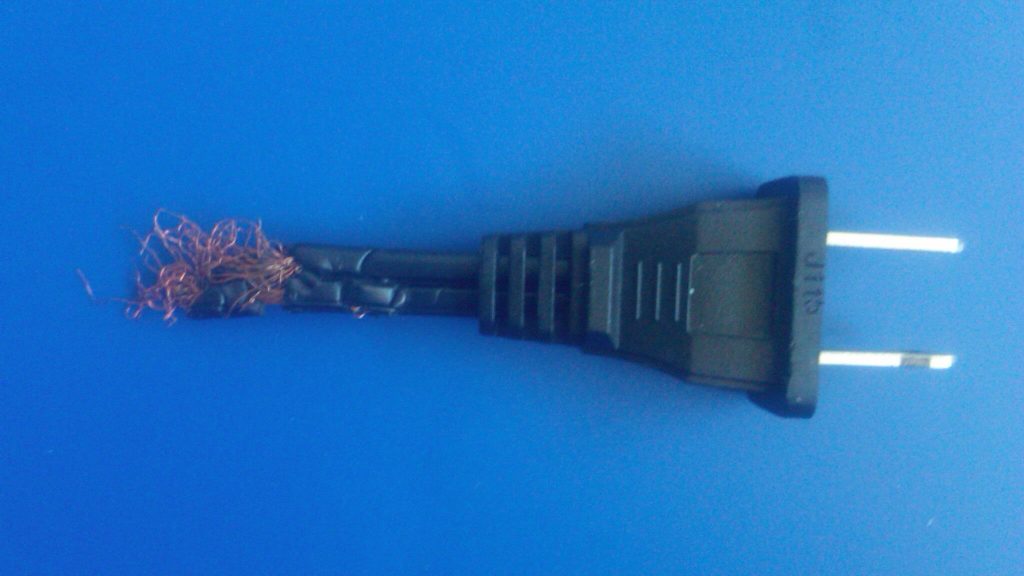
We know dogs are good chewers. I have taken care of pets whose owners swore they were part beaver after finding the corners of their wooden kitchen cabinets gnawed. Another owner once sent me a photo of an electric plug, detached from its cord by an enthusiastic canine chewer.
While I love dogs, they can be gluttons at times, forgetting about the need to chew.
Is Chewing Required for Dogs to Eat?
Chewing does not seem to be required for dogs to swallow. Take for example the x-ray showing an entire unchewed lamb chop bone stuck in a dog’s esophagus. Or the five-month-old Bernerdoodle who ate two entire squishy balls.
In the x-ray below, showing a dog with bloat, the air trapped in the stomach highlights unchewed pieces of kibble waiting for digestion. Clearly, chewing did not occur in this instance.
For my canine patient with the tumor on his gum, teeth did not seem to be required for eating. After a soft food diet to allow his mouth to heal, he resumed eating the kibble he had always loved — even without all his teeth.
The Bottom Line on Tooth Loss in Pets
Tooth removal can sound alarming, especially when it involves major oral surgery or full-mouth extractions. But pets are often more adaptable than we expect. When tumors or inflammation are treated appropriately, dogs and cats can often return to eating comfortably — and in many cases, they feel much better than they did before surgery.