
For the first time in more than 25 years, the U.S. Food and Drug Administration (FDA) has allowed a new sunscreen active ingredient onto the U.S. market. On the surface, this may sound like progress. But behind this long-awaited decision lies a troubling story: decades of animal testing to confirm what we already knew.
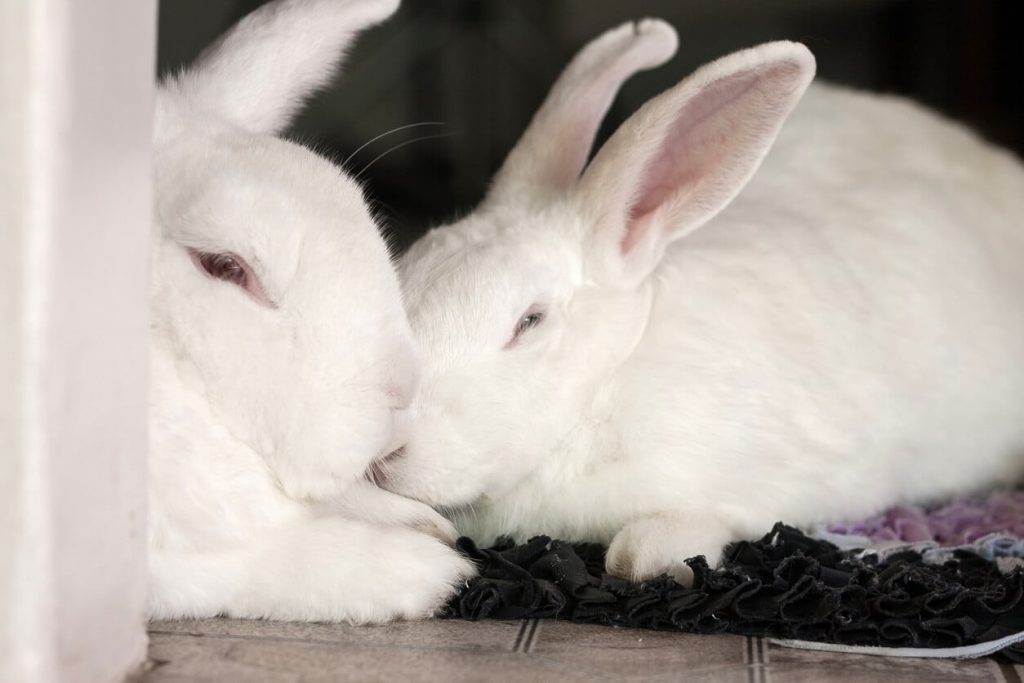
For years, consumers in the U.K., Europe, and other parts of the world have had access to the sunscreen ingredient bemotrizinol. Yet, instead of relying on the wealth of existing human and other data, the FDA demanded years of additional animal testing. This stretched the approval process into decades while generations of animals were killed.
This redundancy has real consequences for us humans, too. The FDA hasn’t approved a new sunscreen ingredient since the 1990s. Yet, this more modern option has been on the market and safely used in the UK, Europe, and other parts of the world since 2000—all while Americans were left behind without access.
The FDA now has a critical opportunity to treat this as a turning point. Decades of additional animal testing did not provide meaningful new safety insights. The agency should act swiftly to ensure that similar requirements are not imposed again. The science already exists, and it doesn’t require animals.
There is a reason for optimism: PETA scientists are working alongside regulators, industry, and other experts to demonstrate the effectiveness of non-animal approaches, and momentum is building in the scientific community. By learning from the lengthy, costly process of bringing this new sunscreen ingredient to market, the FDA and its collaborators can be part of positive change. Never again should outdated animal testing delay innovation and access to cancer-preventing sunscreen products.
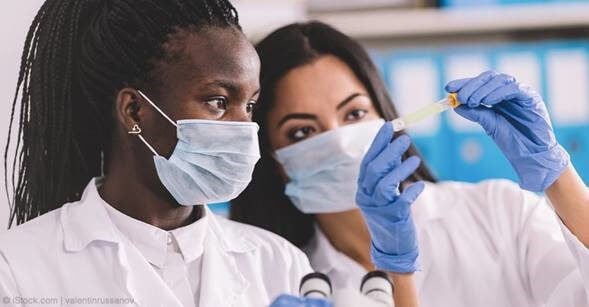
This realization has even reached Capitol Hill. In major progress for keeping sunscreens cruelty-free, Congress has passed a law calling on the FDA to accept non-animal test methods for sunscreens. PETA scientists met with members of Congress and the FDA, urging the agency to act swiftly by collaborating with sunscreen manufacturers and other scientific experts who have spent decades developing reliable cell- and computer-based test methods to assess sunscreen safety.
Urge the FDA to Embrace Animal-Free Science.
Right now, the FDA has an opportunity to halt its demands that other sunscreen ingredients—many of which have also been used safely elsewhere for decades—be subjected to further animal testing. Instead, it can seize this moment by embracing scientifically robust, human-relevant non-animal methods that deliver better results without harming animals.
The post Outdated Animal Tests Delayed Sunscreen Progress—FDA Can Stop It From Happening Again. appeared first on PETA.