
Shutterstock
Some dogs consider the great outdoors their natural playground, eagerly trading comfortable couches for forest trails, mountain paths, and nights beneath the stars. Rugged camping companions bring stamina, curiosity, confidence, and adventurous energy to every journey, making them wonderful partners for people who love exploring nature. While temperament, training, and fitness always matter, certain breeds possess impressive endurance and working backgrounds that make outdoor adventures especially appealing. With thoughtful preparation, proper safety measures, and plenty of enthusiasm, these hardy dogs can transform any camping weekend into an unforgettable adventure.
Australian Shepherd
Shutterstock
Australian Shepherds seem practically designed for active weekends spent exploring the wilderness. Developed as hardworking herding dogs, they possess impressive stamina, agility, intelligence, and an eagerness to stay busy, which can make hiking and camping especially enjoyable for them. An Aussie that receives proper conditioning may happily accompany an active family along trails while remaining alert to everything happening around camp. Their intelligence also makes training extremely important because a curious Australian Shepherd without enough mental stimulation can invent entertainment that nobody requested. Regular exercise, reliable recall training, plenty of water, and opportunities to use their brain help transform these energetic herders into enthusiastic outdoor companions.
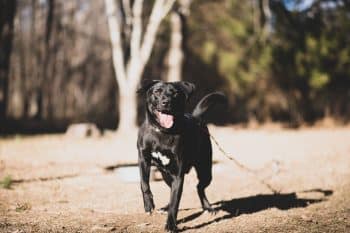
Labrador Retriever
Shutterstock
Labrador Retrievers approach outdoor adventures with the enthusiasm of dogs who assume every destination was planned specifically for their enjoyment. Their sporting heritage gave them stamina, athleticism, a strong retrieving instinct, and an appreciation for activities involving water, making many Labs enthusiastic companions for hiking, swimming, and exploring. Their friendly personalities also help them adapt to family camping trips when they have been properly socialized and trained. Labs can become extremely excited by unfamiliar smells and wildlife; however, dependable recall and secure restraint are essential. Keep their fitness level, weather tolerance, hydration, and tendency to investigate questionable substances in mind before heading into the wilderness together.
Siberian Husky
Shutterstock
Few breeds look more prepared for an outdoor expedition than the Siberian Husky. Originally developed to pull sleds across demanding northern environments, these athletic dogs possess endurance, determination, and an enthusiastic desire to keep moving, especially when temperatures are comfortable for them. Cooler camping destinations can provide wonderful opportunities for appropriately conditioned Huskies to enjoy long walks and outdoor exploration. Their independent personalities and powerful prey drive can make off-leash adventures risky, though, even when they appear well trained. Secure leashes, escape-resistant camping arrangements, identification, and careful temperature management are crucial. A Husky may love adventure, but it may also consider your carefully planned itinerary merely a suggestion.
German Shepherd
Shutterstock
German Shepherds combine athletic ability, intelligence, loyalty, and impressive trainability, giving them many qualities that suit active outdoor lifestyles. These versatile working dogs often enjoy having a purpose, so hiking, exploring, practicing obedience, and participating in structured activities around camp can keep both their bodies and minds engaged. Their natural attentiveness means they may notice unfamiliar sounds and movement long before their humans do, although appropriate socialization is important to prevent alertness from becoming excessive reactivity. Healthy adult German Shepherds can have considerable stamina when gradually conditioned for demanding activity. Owners should nevertheless consider joint health, temperature, terrain, hydration, and individual fitness before asking their dogs to tackle challenging trails.
Bernese Mountain Dog
Shutterstock
The Bernese Mountain Dog brings a combination of strength, companionship, and mountain heritage that naturally fits the camping theme. Developed as a versatile farm dog in Switzerland, the breed historically performed demanding tasks that required physical strength and cooperation with humans. Many Berners enjoy outdoor activities in cooler weather, particularly when adventures allow them to remain close to their families. Their thick coats make warm temperatures a serious consideration, however, and strenuous activity should never be pushed when conditions are hot. Their large bodies also require thoughtful conditioning and attention to joint health. For campers who favor cool destinations and moderate adventures, a healthy, well-prepared Berner can be an affectionate wilderness companion.
Border Collie
Shutterstock
Border Collies bring extraordinary intelligence and energy wherever they go, including straight into the campsite. Their herding heritage required stamina, responsiveness, quick decision-making, and the ability to work across demanding terrain, qualities that translate naturally to active outdoor adventures. A properly conditioned Border Collie may find hiking especially satisfying because changing trails provide endless sights, scents, and mental stimulation. Physical exercise alone is rarely enough for these brilliant dogs, so incorporating training games and problem-solving activities can make camping even more rewarding. Their intense awareness of movement may also make wildlife particularly fascinating. Reliable cues and responsible leash management help ensure squirrels do not unexpectedly become expedition leaders.
Alaskan Malamute
Shutterstock
Powerful, substantial, and unmistakably rugged, the Alaskan Malamute carries centuries of working heritage into modern outdoor adventures. These dogs were developed for strength and endurance in harsh northern environments, giving healthy adults considerable physical capability when appropriately conditioned. Malamutes often enjoy exploring in cooler weather and can make memorable companions for campers who understand their independent personalities. Their heavy coats require careful temperature management, making hot-weather adventures inappropriate or potentially dangerous. They can also possess strong prey drives and impressive determination, so secure handling is essential around wildlife. With thoughtful preparation, appropriate conditions, and realistic expectations, a Malamute can bring serious wilderness spirit to a camping trip.
Golden Retriever
Shutterstock
Golden Retrievers bring their famously cheerful personalities into almost every activity, and camping is no exception. Developed as sporting dogs, Goldens tend to combine athleticism, trainability, retrieving instincts, and enthusiasm for outdoor activities, including swimming and exploring alongside their families. Their people-oriented nature can make shared adventures particularly rewarding because many Goldens simply want to participate in whatever their humans are doing. Their friendly curiosity can also encourage them to investigate unfamiliar animals, plants, food, and water sources, so supervision remains essential. Regular grooming is useful after wilderness outings because their feathered coats can collect burrs, mud, and debris with remarkable efficiency. Apparently, bringing half the forest home is part of the experience.
Rhodesian Ridgeback
Shutterstock
Rhodesian Ridgebacks have an athletic build and hardy background that can make them impressive companions for experienced outdoor enthusiasts. Developed in southern Africa, these powerful dogs are known for endurance, independence, courage, and the ability to cover substantial ground. Healthy, conditioned adults may enjoy hiking and exploring, but their independent decision-making means consistent training and secure handling are particularly important. Ridgebacks can have strong prey drives, making wildlife encounters something owners should anticipate rather than improvise around. Their short coats provide less protection from cold temperatures than the heavy coats of northern breeds, so weather conditions must be considered carefully. With responsible preparation, they can be confident and capable adventure partners.
Vizsla
Shutterstock
Vizslas are energetic sporting dogs that often seem happiest when movement and companionship happen simultaneously. Originally developed as versatile hunting dogs, they possess speed, endurance, intelligence, and a strong desire to remain connected with their humans. Those qualities can make hiking and camping wonderfully engaging for a well-trained, appropriately conditioned Vizsla. Their short coats provide relatively little insulation, however, so cold nights and extreme weather require extra planning. Their affectionate nature also means many would rather stay close than spend long periods isolated away from the family. Give a Vizsla exercise, companionship, training, and an interesting trail, and you may discover that your camping partner has significantly more energy than you do.
Belgian Malinois
Shutterstock
The Belgian Malinois is a serious athlete with extraordinary drive, intelligence, and physical capability. These working dogs excel when given structured activities that challenge both their bodies and minds, which can make outdoor adventures deeply satisfying for appropriately experienced owners. Hiking provides movement and environmental stimulation, but a Malinois typically needs more than casual exercise to feel fulfilled. Training exercises, scent games, and purposeful activities can help channel their remarkable intensity while camping. Their responsiveness and athleticism are impressive, but these same qualities can overwhelm households unprepared for such a demanding dog. For skilled handlers who enjoy active lifestyles, a well-trained Malinois can approach wilderness adventures with focus, enthusiasm, and seemingly endless reserves of energy.
Portuguese Water Dog
Shutterstock
Portuguese Water Dogs have a working history closely connected to water, physical activity, and cooperation with humans, giving them plenty of qualities suited to adventurous families. Historically used to assist fishermen, these intelligent dogs developed athleticism, swimming ability, trainability, and a willingness to work alongside people. Camping near dog-safe swimming areas can be especially exciting for individuals who enjoy water, although supervision remains essential whenever dogs swim outdoors. Their curly or wavy coats also require regular maintenance because outdoor debris can become tangled surprisingly quickly. With enough exercise and mental stimulation, Portuguese Water Dogs can enthusiastically participate in hiking, exploring, swimming, and the general excitement of temporarily replacing the living room with nature.
English Springer Spaniel
Shutterstock
English Springer Spaniels have generations of sporting heritage behind their enthusiastic approach to outdoor life. Bred to work through varied terrain while locating and flushing game, these dogs are energetic, agile, curious, and usually delighted by environments filled with fascinating scents. Hiking and camping can therefore provide the type of sensory stimulation that makes a Springer exceptionally happy. That powerful interest in scents can also lead an excited dog away from camp if management and recall training are inadequate. Their feathered coats and ears should be checked carefully for burrs, ticks, dirt, and moisture after adventures. With proper training and preparation, Springers can bring tireless enthusiasm to almost any outdoor getaway.
Australian Cattle Dog
Shutterstock
Australian Cattle Dogs earned their rugged reputation through demanding work in challenging conditions. Developed to move cattle across large distances, these compact but muscular dogs possess endurance, intelligence, determination, and a remarkable willingness to stay active. Camping trips that include hiking and structured exploration can provide excellent outlets for those working instincts, particularly for healthy adults who have been gradually conditioned. Their alert nature means they tend to notice everything happening around them, so early socialization and reliable training are important when sharing campsites with unfamiliar dogs or visitors. For active owners capable of providing structure and mental challenges, the Australian Cattle Dog can be a remarkably tough trail companion.
Standard Poodle
Shutterstock
The Standard Poodle may look polished enough for a formal portrait, but underneath that glamorous coat is a surprisingly athletic sporting dog. Poodles were developed as water retrievers, and many retain excellent swimming ability, intelligence, stamina, and enthusiasm for active adventures. Their trainability can be especially valuable on camping trips, where reliable cues and good manners make unfamiliar environments easier to manage. Coat maintenance requires planning because mud, vegetation, and debris can become trapped in longer hair, while an appropriate, practical trim may simplify outdoor care. Standard Poodles combine brains, athletic ability, and adaptability in a package that proves rugged camping companions do not necessarily have to look rugged.
The Great Outdoors Just Got Furrier
Shutterstock
Camping with a rugged dog can transform an outdoor getaway into a shared adventure filled with exploration, exercise, curiosity, and unforgettable moments. The best camping companion is the individual dog whose health, training, temperament, and fitness match your planned activities. Bring appropriate food, clean water, identification, first-aid supplies, parasite protection, secure restraints, and weather-appropriate sleeping arrangements. With thoughtful preparation and responsible supervision, these adventurous dogs can become enthusiastic partners who make every trail more interesting, every campsite livelier, and every return to civilization a little harder to accept.
The post 15 Rugged Dog Breeds That Make Perfect Camping Companions appeared first on iHeartDogs.com.