
Shutterstock
Some dogs offer affection, while others seem to make an unspoken promise that wherever life takes you, they are coming too. Fiercely loyal breeds often form powerful bonds with their families, staying attentive to their people through ordinary routines, exciting adventures, and uncertain moments. Their devotion can appear as quiet companionship, watchful confidence, or an irresistible need to remain nearby. With thoughtful training and socialization, these steadfast dogs become loving companions whose commitment makes friendship feel like a lifelong team effort.
German Shepherd
Shutterstock
German Shepherds have earned an international reputation for loyalty because they combine intelligence, attentiveness, courage, and an extraordinary willingness to work alongside humans. Originally developed as versatile herding and working dogs, they tend to form meaningful relationships with their families and often pay close attention to changes in their surroundings, making their devotion especially noticeable in everyday life. Their loyalty should be supported with early socialization, positive training, mental challenges, and regular exercise so natural watchfulness develops into confident, manageable behavior rather than unnecessary suspicion. When responsibly raised, a German Shepherd can become the sort of companion that follows your lead, studies your mood, and seems permanently convinced that teamwork is the answer to almost everything.
Rottweiler
Shutterstock
Rottweilers may present an imposing appearance, but people familiar with well-socialized members of the breed often discover remarkably affectionate dogs underneath all that muscle. Their history includes driving cattle, guarding property, and performing demanding work alongside humans, which helped establish traits such as confidence, intelligence, endurance, and strong attachment to trusted family members. Responsible socialization is especially important because a powerful dog needs to understand how to behave calmly around unfamiliar people, animals, and situations, while reward-based training gives that impressive brain something productive to accomplish. A well-adjusted Rottweiler often prefers remaining close to loved ones and can combine serious devotion with enough goofy affection to remind everyone that intimidating looks do not prevent enthusiastic cuddling.
Doberman Pinscher
Shutterstock
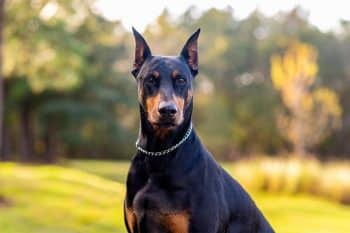
Few dogs wear loyalty quite as visibly as the Doberman Pinscher, a breed developed specifically to combine companionship with dependable personal protection. Dobermans are intelligent, athletic, highly trainable, and frequently very attached to their families, with many showing a strong preference for staying close enough to monitor whatever their favorite humans happen to be doing. That sensitivity and awareness mean they benefit greatly from positive training, extensive socialization, regular exercise, and meaningful interaction, particularly because boredom can become a problem for such an intelligent athlete. Despite their serious reputation, many Dobermans are affectionate household companions whose definition of personal space seems suspiciously flexible, especially when they decide that sitting beside you is good but leaning directly against you is significantly better.
Akita
Shutterstock
Akitas are known for a dignified, independent personality paired with profound loyalty to those they trust. Developed in Japan for demanding hunting and guarding roles, these substantial dogs possess courage, confidence, intelligence, and a naturally reserved quality that can make their affection feel particularly meaningful, as they do not necessarily extend friendship indiscriminately. Their independence requires patient, consistent training, while careful socialization is essential, as some Akitas can be wary of strangers or intolerant of other dogs; responsible management matters tremendously with such a powerful breed. Once an Akita forms a strong bond, its devotion can be remarkably steady, creating a relationship built less on constant approval and more on quiet companionship, trust, and deep emotional commitment.
Boxer
Shutterstock
Boxers prove that fierce loyalty does not require maintaining a serious expression for more than five consecutive minutes. Originally developed as working dogs, they combine athleticism, alertness, courage, intelligence, and strong family attachment with an exuberant personality that often remains youthful well into adulthood, making them simultaneously devoted companions and enthusiastic household comedians. They generally thrive when included in family activities and benefit from positive training, early socialization, regular exercise, and mental stimulation, although their short muzzles require extra caution during strenuous activity in warm weather. A well-raised Boxer may watch over the household attentively one moment and perform something spectacularly ridiculous the next, proving that dependable friendship and clownish behavior can occupy the same muscular package.
Great Pyrenees
Shutterstock
Great Pyrenees were developed to guard livestock, often making independent decisions while protecting vulnerable animals across mountainous terrain, so steadfast dedication is deeply connected to their working heritage. Their calm appearance can disguise a remarkably determined personality, and these large dogs are often affectionate with family while remaining attentive to unusual activity, particularly after darkness falls, when generations of guardian instincts apparently prompt them to investigate every suspicious sound. Because independent thinking was essential to their original work, training requires patience, consistency, secure boundaries, and respect for a dog that may occasionally evaluate your instructions before deciding whether your proposal has merit. Properly socialized Great Pyrenees can be gentle, devoted companions whose loyalty feels reassuringly steady rather than constantly demanding.
Belgian Malinois
Shutterstock
Belgian Malinois take partnership seriously, bringing extraordinary intelligence, athleticism, responsiveness, and working drive into relationships with capable handlers. Their heritage as herding and working dogs helped develop an intense ability to focus on tasks and people, which contributes to the remarkable loyalty associated with the breed but also means these dogs require far more engagement than ordinary walks around the neighborhood can provide. Malinois generally need experienced handling, extensive training, physical exercise, mental challenges, and carefully structured outlets for their considerable energy, making them inappropriate for many casual households despite their impressive qualities. When properly matched with knowledgeable owners, however, they can form exceptionally close working relationships and approach life as though every day includes an important mission that absolutely requires teamwork.
Cane Corso
Shutterstock
The Cane Corso combines formidable physical presence with deep attachment to its household, characteristics connected to its long history as an Italian working and guardian breed. These large, intelligent dogs tend to be observant and confident, and many form strong bonds with family members while maintaining a naturally reserved attitude toward unfamiliar situations, making early socialization particularly important for developing appropriate judgment. Their size and strength mean obedience cannot be treated as optional, so responsible owners should prioritize positive training, controlled exposure to different environments, appropriate exercise, and consistent household expectations from puppyhood onward. A well-socialized Cane Corso can be affectionate and composed around trusted people, offering the kind of loyalty that feels less like constant fussing and more like having a powerful, quietly devoted shadow nearby.
Labrador Retriever
Shutterstock
Labrador Retrievers may be famous for friendliness, but their outgoing nature should never overshadow the remarkable loyalty they frequently show toward their families. Developed to work cooperatively with people as retrieving dogs, Labs tend to be responsive, social, eager to participate, and happiest when included in whatever activity their humans have planned, whether that means training, hiking, swimming, or supervising the extremely important process of making breakfast. Their loyalty usually appears less as suspicion of outsiders and more as dependable companionship, enthusiasm, and a persistent desire to remain involved in family life. With exercise, positive training, appropriate nutrition, and plenty of interaction, a Labrador can become a devoted friend whose commitment is matched only by its astonishing confidence that someone, somewhere, probably has a snack.
Giant Schnauzer
Shutterstock
Giant Schnauzers are powerful working dogs whose intelligence, alertness, and strong family bonds make their loyalty impossible to overlook. Developed in Germany for tasks that included driving cattle and guarding property, they possess considerable energy and determination, meaning their devotion comes packaged with a serious need for training, exercise, socialization, and mentally demanding activities that keep their quick minds productively occupied. They can be naturally watchful and may reserve enthusiasm for trusted people, so teaching calm behavior around unfamiliar situations is essential, particularly because an undertrained Giant Schnauzer has enough strength and confidence to make its own decisions inconveniently memorable. In capable homes, these impressive dogs become affectionate, energetic partners that take both family companionship and their unofficial supervisory responsibilities very seriously.
Anatolian Shepherd Dog
Shutterstock
Anatolian Shepherd Dogs represent a particularly independent form of loyalty shaped by generations of livestock guardian work. Rather than waiting constantly for human direction, these formidable dogs were expected to evaluate potential threats and protect animals across challenging environments, creating a temperament characterized by confidence, intelligence, endurance, territorial awareness, and strong commitment to whatever they consider their responsibility. That independence makes them very different from breeds developed primarily for close obedience, and they require knowledgeable handling, secure property, extensive socialization, and owners who understand guardian behavior rather than expecting effortless compliance. Their loyalty can be remarkably serious and steady, but prospective families should appreciate that living with an Anatolian means sharing life with a dog whose ancestors were professionally qualified to make important decisions without holding a committee meeting first.
Staffordshire Bull Terrier
Shutterstock
Staffordshire Bull Terriers often form enthusiastic, affectionate relationships with their families, bringing considerable personality into a compact but muscular body. Historically developed in Britain, modern responsibly bred Staffies are frequently people-oriented dogs that enjoy companionship and can approach family life with joyful intensity, although individual temperament varies and early socialization remains important for encouraging confident behavior around unfamiliar dogs, people, and environments. Their physical strength deserves respectful management, while positive training, appropriate exercise, enrichment, and consistent expectations help channel their energy productively. A Staffie that adores its family may express loyalty through enthusiastic greetings, persistent closeness, playful interaction, and a determined desire to participate in daily activities, apparently operating under the principle that absolutely nothing interesting should occur without proper canine involvement.
Rhodesian Ridgeback
Shutterstock
Rhodesian Ridgebacks combine athletic ability, independence, confidence, and deep attachment to family in a distinctive package shaped by their development in southern Africa. Historically valued for demanding hunting and property-related work, they needed endurance and courage as well as the ability to think independently, traits that remain visible in modern Ridgebacks and explain why training works best when it is consistent, patient, and genuinely engaging. They can be reserved with unfamiliar people while showing considerable affection toward trusted family members, although their strength and potential prey drive require thoughtful socialization and responsible management. Ridgebacks are not typically desperate for constant attention, but their loyalty can be impressively steady, giving families a companion that combines quiet devotion with the dignified confidence of a dog that knows exactly who belongs in its inner circle.
Australian Cattle Dog
Shutterstock
Australian Cattle Dogs were built for demanding work, and their famous toughness is matched by an ability to form exceptionally strong bonds with their people. Developed to move cattle across vast and challenging Australian landscapes, these compact athletes possess endurance, intelligence, courage, problem-solving ability, and seemingly inexhaustible motivation, qualities that make them wonderful partners for active owners but potentially overwhelming companions for people expecting a relaxed couch ornament. Many become particularly devoted to one person while remaining closely connected to the household, and they need structured training, vigorous exercise, mental stimulation, and appropriate socialization to thrive. Give an Australian Cattle Dog meaningful work and companionship, and you may acquire a loyal shadow that considers following you from room to room an essential professional responsibility.
Bullmastiff
Shutterstock
Bullmastiffs were developed in England to help gamekeepers protect large estates, and that background produced a dog known for physical strength, confidence, watchfulness, and close attachment to family. Unlike highly energetic working breeds that seem permanently prepared to launch into action, mature Bullmastiffs can have a calmer household presence, yet their substantial size and natural guardian tendencies make early socialization, positive training, and reliable manners absolutely essential. Many are affectionate with their families and prefer staying close to the people they trust, offering companionship that feels reassuringly solid without requiring nonstop activity. Living with one does require accepting that your devoted canine shadow may weigh as much as a human and still sincerely believe there is always enough room beside you.
The Loyalty Department Has Four Paws
Shutterstock
Fiercely loyal dogs remind us that devotion comes in many forms, from cheerful companionship to quiet commitment and watchful partnership. Breed tendencies offer useful clues, but every dog still needs socialization, positive training, regular exercise, veterinary care, and respect for individual temperament. Strong guardian instincts require thoughtful management, patience, and consistency to encourage confident behavior. Give these devoted companions affection and responsible guidance, and you may discover that having your back often means having a faithful furry shadow following you everywhere, even when privacy is definitely strongly preferred.
The post 15 Fiercely Loyal Dog Breeds That Always Have Your Back appeared first on iHeartDogs.com.