
Shutterstock
Some dogs seem personally offended by summer, especially when their glorious coats turn every sunny afternoon into an exercise in finding the coolest spot available. Fluffy breeds developed for colder climates often appear far more comfortable when temperatures drop, and crisp weather finally returns. Their thick coats, sturdy builds, and cold-weather histories make autumn and winter adventures especially appealing. Although every dog still needs protection from extreme conditions, these furry companions often greet sweater weather with enthusiasm, renewed energy, and noticeably happier attitudes.
Samoyed
Shutterstock
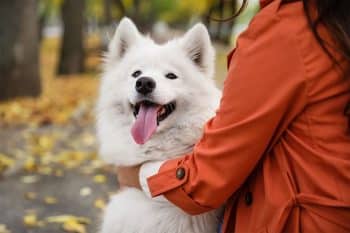
Few breeds look more naturally prepared for cold weather than the Samoyed. Originally developed by the Samoyedic peoples of Siberia for demanding work in frigid conditions, these striking dogs possess a dense double coat that provides substantial insulation, helping explain why many seem considerably more enthusiastic when temperatures become comfortable and cool. Their energetic, social personalities also make outdoor activity appealing, and crisp weather can offer better opportunities for walks, games, and adventures without the challenges associated with summer heat. That spectacular coat requires consistent grooming, particularly during seasonal shedding periods, while owners should still monitor conditions during extreme cold. Once sweater weather arrives, however, a Samoyed may look as though the entire season was designed specifically for its enjoyment.
Siberian Husky
Shutterstock
The Siberian Husky was developed to pull light loads across vast frozen landscapes, so its enthusiasm for cooler conditions should surprise absolutely nobody. A thick double coat provides insulation, while an athletic build and impressive endurance allow these energetic dogs to remain active when many humans would rather retreat indoors. Huskies require substantial physical exercise, mental stimulation, secure management, and consistent positive training throughout the year, but warmer temperatures can require additional precautions because overheating remains a serious concern. Cooler seasons often make outdoor exercise easier and more enjoyable for these northern athletes. When summer finally disappears, a Husky may suddenly behave as though someone switched the entire world back to its preferred temperature setting.
Alaskan Malamute
Shutterstock
Alaskan Malamutes were built for strength and endurance in harsh Arctic environments, giving them an impressive combination of power, stamina, and serious insulation. Their dense double coats helped protect working dogs against bitter conditions, but that same magnificent fur can make warm summer weather uncomfortable and requires owners to manage exercise carefully when temperatures rise. Malamutes need regular physical activity, mental engagement, training, socialization, and secure surroundings because they are strong, intelligent dogs with independent personalities. Cooler weather can provide much better conditions for satisfying their desire to move, explore, and spend time outdoors. Once autumn temperatures arrive, these fluffy powerhouses often seem ready to reclaim the outdoor schedule that summer rudely interrupted.
Bernese Mountain Dog
Shutterstock
Bernese Mountain Dogs bring impressive size, a beautiful tricolored coat, and an unmistakably gentle presence to the cooler months. Developed as versatile farm dogs in Switzerland, they possess a thick double coat suited to colder conditions, making hot summer days considerably less appealing than crisp walks during autumn or winter. Berners still require appropriate daily exercise and benefit from training, socialization, family interaction, and activities that keep their minds engaged, but exercise should be carefully managed during heat because their substantial bodies and heavy coats can make cooling difficult. Cooler temperatures allow many to enjoy outdoor activity more comfortably. When sweater weather returns, a Bernese Mountain Dog finally has a good excuse to show everyone what all that glorious fluff was built to handle.
Newfoundland
Shutterstock
Newfoundlands are enormous, heavily coated working dogs whose impressive fur makes their preference for cooler conditions easy to understand. Historically associated with demanding water work, these powerful dogs developed thick, water-resistant double coats that offered protection in cold environments, while their strength and cooperative nature helped them perform challenging tasks alongside humans. Modern Newfoundlands need regular grooming, appropriate exercise, training, socialization, and careful weight management, and warm weather requires particular attention because their tremendous size and heavy coats can increase overheating risk. Crisp temperatures can make leisurely walks and outdoor family time considerably more comfortable. When summer finally leaves, a Newfoundland may celebrate by simply spending more time outside without immediately searching for the coolest available surface.
Great Pyrenees
Shutterstock
The Great Pyrenees wears an impressive coat that reflects generations of working outdoors while guarding livestock in mountainous environments. Its dense, weather-resistant double coat helped provide protection against difficult conditions, while the breed’s independent judgment, patience, and watchfulness allowed it to perform demanding guardian duties with limited supervision. These large dogs require responsible socialization, positive training, secure surroundings, grooming, and appropriate exercise, and owners should take extra precautions during hot weather because heavy coats and substantial body size can make heat challenging. Cooler temperatures often provide more comfortable conditions for outdoor activity. Once autumn arrives, the Great Pyrenees can finally stop looking overdressed and start looking perfectly prepared for the forecast.
Chow Chow
Shutterstock
With its enormous mane and plush double coat, the Chow Chow appears to have been waiting patiently for temperatures to drop. This ancient Chinese breed carries substantial insulation, and hot or humid weather can be particularly challenging, making careful exercise scheduling, shade, hydration, and access to comfortable indoor temperatures essential during warmer months. Chows still need regular activity, grooming, thoughtful socialization, and positive training, especially because their independent personalities can make them quite different from more eager-to-please breeds. Cooler conditions can make walks and outdoor exploration far more pleasant without placing unnecessary stress on their heavily coated bodies. When autumn finally appears, the Chow Chow’s dramatic wardrobe suddenly stops looking excessive and starts looking seasonally appropriate.
Keeshond
Shutterstock
The Keeshond looks almost impossibly fluffy, thanks to a thick double coat featuring a substantial ruff around the neck and abundant feathering. Historically associated with Dutch barges and companionship, these friendly, intelligent dogs tend to enjoy being involved with their families, making pleasant seasonal walks and outdoor activities excellent opportunities for interaction once the uncomfortable summer heat subsides. Their coat requires regular brushing and responsible maintenance, particularly when the undercoat sheds, while owners should monitor activity carefully during hot conditions. Keeshonden still need exercise and mental stimulation regardless of season, but cooler weather can make providing both considerably easier. Autumn may simply feel like the moment when their spectacular natural wardrobe finally matches the temperature outside.
Tibetan Mastiff
Shutterstock
The Tibetan Mastiff’s imposing size and extraordinarily dense coat reflect its history as a guardian in the challenging Himalayan climate. These powerful dogs possess substantial insulation, particularly during colder parts of the year, and their independent guardian temperament means they require experienced handling, careful socialization, secure management, and respectful, positive training. Warm weather can require significant precautions because thick coats and larger bodies make overheating a concern, while cooler conditions often provide greater comfort for appropriate outdoor activity. Their coat also undergoes dramatic seasonal changes that require dedicated grooming during shedding. When temperatures finally fall, a Tibetan Mastiff can look perfectly at home while everyone else begins searching for additional layers.
Finnish Lapphund
Shutterstock
Finnish Lapphunds combine a cheerful expression, an abundant coat, and a northern working heritage that makes cooler weather seem wonderfully appropriate. Traditionally used in connection with reindeer herding, these intelligent dogs developed thick double coats that helped protect them in challenging Nordic conditions, while their agility and responsiveness supported active work alongside people. Today’s Lapphunds still need regular exercise, training, mental stimulation, social interaction, and coat maintenance, and owners should adjust strenuous activity during warmer temperatures to help prevent overheating. Crisp weather can provide comfortable conditions for walks, games, training sessions, and other adventures that satisfy their energetic minds and bodies. Once summer disappears, these fluffy northern companions may seem perfectly ready to extend every outdoor activity.
Norwegian Elkhound
Shutterstock
Norwegian Elkhounds have the sturdy build, thick double coat, and confident attitude expected from dogs developed for demanding work in Scandinavia. Historically used for hunting large game, these energetic dogs needed endurance, courage, independence, and enough weather protection to remain functional in difficult northern conditions, qualities that remain evident in the breed today. They require regular exercise, mental stimulation, positive training, secure management, and brushing, especially when seasonal shedding turns ordinary housekeeping into a serious commitment. Hot conditions can require reduced activity and additional cooling precautions, making autumn’s arrival particularly welcome. When crisp temperatures return, the Norwegian Elkhound finally gets weather capable of keeping up with its energetic personality and substantial natural insulation.
Old English Sheepdog
Shutterstock
Few dogs make fluff look quite as dramatic as the Old English Sheepdog, whose abundant coat creates its famously shaggy silhouette. Developed as a working dog in Britain, this energetic breed needs regular exercise and mental engagement, while its distinctive coat demands serious grooming to prevent tangles and maintain skin and coat health. Summer can require thoughtful activity scheduling and careful monitoring because dense coats can contribute to overheating, particularly during strenuous exercise or humid conditions. Cooler weather often creates more comfortable opportunities for walks, games, and outdoor family adventures. Once autumn arrives, an Old English Sheepdog may finally look less like someone wearing an enormous winter coat in July and more like the season’s best-dressed participant.
Eurasier
Shutterstock
The Eurasier’s plush double coat, balanced build, and calm expression make this companion breed look naturally suited to crisp autumn days. Developed from several spitz-type breeds, Eurasiers typically form close relationships with their families and appreciate regular walks, enrichment, positive training, and opportunities to spend meaningful time with the people they trust. Their substantial coat needs routine brushing and seasonal maintenance, while warm conditions call for sensible exercise adjustments, hydration, shade, and careful monitoring for signs of heat stress. Cooler temperatures can make outdoor companionship considerably more comfortable for these heavily coated dogs. When sweater weather finally arrives, the Eurasier needs no seasonal wardrobe upgrade because nature already provided an exceptionally fluffy one.
The Fluff Has Been Waiting For Fall
Shutterstock
Fluffy dogs make cooler weather worth celebrating after months of navigating temperatures that their heavy coats can make uncomfortable. Their northern, mountain, herding, guarding, and working histories explain why many become more energetic when crisp conditions return. Still, every dog needs appropriate exercise, grooming, nutrition, veterinary care, and protection from extreme weather. Cold tolerance varies by age, health, conditioning, and coat condition. When autumn replaces summer heat, these magnificent fluffballs can enjoy longer walks, livelier outdoor adventures, and refreshing weather that finally suits their natural wardrobes perfectly again.
The post 13 Fluffy Dog Breeds Ready To Trade Summer For Sweater Weather appeared first on iHeartDogs.com.