
iHeartDogs is reader-supported. When you buy via links on our site, we may earn an affiliate commission at no extra cost to you.
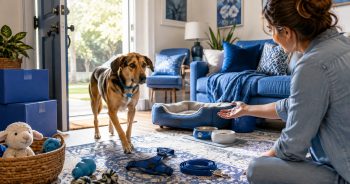
Bringing home a rescue dog is exciting, but that first day can feel very different from the happy homecoming you pictured. Your new dog has suddenly left everything familiar behind and entered a house filled with new people, smells, sounds, expectations, and routines. Some dogs eagerly explore every room within minutes, while others need considerably more time before they feel comfortable enough to relax.
Having the right supplies ready can make those early days easier for everyone. A comfortable bed provides a quiet place to rest, identification and secure walking gear help keep a new dog safe, and simple enrichment gives them something positive to do without overwhelming them. You’ll also want practical basics for meals, bathroom breaks, grooming, and the occasional accident.
Before filling your Chewy cart, however, talk with the shelter or rescue. Ask what food your dog is currently eating, what size collar or harness they’ve been wearing, whether they have experience with a crate, what toys they enjoy, and whether there are any known medical, behavioral, grooming, or dietary needs. Keeping some things familiar can make a big transition feel a little less unfamiliar.
These 15 rescue dog essentials can help you get the house ready so that when your new family member arrives, you can focus less on shopping and more on helping them settle in.
Before Your Rescue Dog Comes Home
It’s tempting to buy everything you think your new dog could possibly want, but the first few days aren’t the time to overwhelm them with choices. Start with the essentials and learn more about your dog’s individual preferences as their personality begins to emerge.
Set up a quiet resting area before arrival. Place the bed somewhere your dog can retreat without being isolated from the household, and decide where food and water will be served. If you plan to use a crate, have it assembled and appropriately sized before the dog comes home rather than introducing yet another new object during an already eventful first day.
Safety deserves extra attention with a newly adopted dog. Even a friendly, confident rescue may be startled or frightened in unfamiliar surroundings, and you don’t yet know how they’ll react to every situation. Make sure identification is ready, check the fit of collars and harnesses carefully, and be especially cautious around open doors, gates, yards, and vehicles.
Most importantly, don’t expect your rescue dog to immediately understand how life works in your home. House-training habits may change temporarily, sleep schedules can be unusual, and dogs that seemed outgoing at the shelter may become quiet once they arrive. Give them time, predictable routines, and opportunities to approach new experiences at their own pace.
15 Essentials for Bringing Home a Rescue Dog
1. Bedsure Bolster Dog Sofa Bed
After all the excitement of leaving the shelter or foster home and arriving somewhere new, your rescue dog needs a place where nothing is expected of them. A comfortable bed gives them a designated spot to rest, observe the household, and hopefully begin realizing that this new place is safe.
The Bedsure Bolster Dog Sofa Bed provides a cushioned sleeping surface with raised sides that dogs can lean against while settling down. Bolster-style beds can be particularly appealing to dogs that like curling up against something rather than stretching out completely in the open.
Place the bed somewhere relatively quiet but not necessarily hidden away from everyone. Many dogs want to observe what’s happening while maintaining a little distance. As you learn your new dog’s sleeping preferences, you can decide whether additional beds belong in the bedroom, living room, or other favorite spots.
Don’t be discouraged if your carefully selected bed is ignored initially. Your rescue dog doesn’t know it’s theirs yet. Give them time to discover it without repeatedly placing or forcing them onto it.
2. MidWest iCrate Fold & Carry Double Door Dog Crate
A crate can provide a quiet retreat for a dog that has been positively introduced to one, but it’s important to find out what your rescue dog’s previous crate experience has been. A crate shouldn’t suddenly become somewhere a frightened new dog is confined simply because they’ve arrived home.
The MidWest iCrate offers double-door access and a foldable design, making it a practical option for setting up a designated space at home. Choosing the correct crate size matters. Your dog should have enough room to comfortably stand, turn around, and lie down.
If your rescue is already comfortable with crates, adding familiar bedding and creating a peaceful environment can help establish the crate as a resting space. If crate training is new, introduce it gradually with positive experiences rather than immediately shutting the door for extended periods.
Dogs with severe confinement anxiety or a history of attempting to escape crates may require a different approach. Talk with the rescue, your veterinarian, or a qualified behavior professional if you have concerns about how your dog responds to confinement.
3. GoTags Personalized Dog ID Tag
An ID tag isn’t the most exciting thing you’ll buy for your new rescue dog, but it may be one of the most important.
A newly adopted dog doesn’t yet know where home is. An unexpected noise, poorly secured gate, slipped harness, or accidentally opened door can become particularly concerning when a dog is unfamiliar with the neighborhood and doesn’t know how to return.
The GoTags Personalized Dog ID Tag lets you add identifying information that can help someone contact you if your dog gets lost. Make sure the information is current and easy to read, and attach the tag securely to properly fitted gear.
Identification shouldn’t stop with a tag. If your rescue dog is microchipped, confirm that the registration information has been transferred or updated with your current contact details. An ID tag provides visible identification, while an appropriately registered microchip offers another important layer of protection.
4. Ruffwear Front Range Reflective Front-Clip Dog Harness
Those first walks together are exciting, but they’re also when you’re learning how your dog responds to squirrels, bicycles, other dogs, traffic, loud noises, and approximately 400 fascinating smells.
The Ruffwear Front Range harness provides multiple adjustment points to help create an appropriate fit, along with front and back leash attachment options. Reflective details can also add visibility during walks in lower-light conditions.
Fit deserves particular attention with a newly adopted dog. A harness that’s too loose may allow a frightened dog to back out, while one that’s too tight can cause discomfort. Follow the manufacturer’s measurement and fitting instructions rather than estimating based solely on breed or weight.
If your rescue is especially fearful or considered a flight risk, ask the shelter or rescue what safety setup they recommend. Some dogs may benefit from additional security measures during the transition period.
5. Frisco Traffic Leash With Dual Padded Handles
A dependable leash is another day-one essential, and the Frisco Traffic Leash offers two padded handles that can give you different levels of control depending on the situation.
The standard handle works for everyday walking, while the additional traffic handle lets you keep your dog closer when crossing streets, navigating busy areas, or encountering situations where you don’t want several feet of leash between you.
That can be especially helpful while you’re still learning how your rescue walks on leash. A dog that appeared calm during a shelter meet-and-greet may react differently when encountering an unfamiliar neighborhood filled with new sights and sounds.
Early walks don’t need to be ambitious adventures. Short, quiet outings can give your dog opportunities to sniff, relieve themselves, and gradually learn their surroundings without immediately introducing every dog, neighbor, store, and park within walking distance.
6. Frisco Stainless Steel Double Elevated Dog Bowl
Having a consistent place for meals and water can help establish some predictability during your rescue dog’s first days at home.
This Frisco feeding station pairs stainless steel bowls with an elevated stand, creating a dedicated spot for food and water. Stainless steel is a practical bowl material because it’s durable and relatively easy to clean.
Whether an elevated feeding position is appropriate depends on the individual dog, however. Elevated bowls aren’t necessary or ideal for every dog, so talk with your veterinarian if your dog has a medical condition or you’re uncertain about the best feeding setup.
Whatever bowls you choose, wash them regularly and keep fresh water readily available. For food, continue feeding what the rescue or shelter recommends initially unless your veterinarian advises otherwise. If you eventually want to change diets, transitioning gradually can help reduce digestive upset.
7. Gamma2 Vittles Vault Pet Food Storage
Once you know what your new dog is eating, you’ll need somewhere to keep it.
The Gamma2 Vittles Vault provides dedicated storage for dry dog food, helping keep the bag contained and your dog’s feeding area more organized. A secure food container is particularly useful if your newly adopted dog turns out to be an exceptionally talented kitchen investigator.
When possible, keep important information from the original food packaging, including the product name, lot information, expiration date, and feeding instructions. You can also keep the entire food bag inside an appropriately sized storage container rather than pouring kibble directly into it.
The bigger priority during the first days is consistency. A new home already brings plenty of changes, so keeping your rescue on the food they’ve been eating can remove one unnecessary variable while they adjust.
8. KONG Classic Dog Toy
Not every newly adopted dog is ready for an enthusiastic game of fetch on day one. Quiet enrichment can give a dog something enjoyable to focus on without requiring a lot of social interaction.
The KONG Classic can be stuffed with appropriate food or treats, allowing your dog to lick and work at getting the contents out. That turns snack time into an activity and gives dogs an opportunity to engage with something independently.
Choose the KONG size and rubber variety appropriate for your dog’s size and chewing style. You can make the activity easy at first rather than packing the toy so tightly that a dog unfamiliar with food toys becomes frustrated.
Supervise your dog when introducing any new toy until you understand how they use it. Some dogs gently work on food-filled toys, while others immediately make it their mission to dismantle anything placed in front of them.
9. TRIXIE Snuffle & Seek Plate
Your rescue dog’s nose can be one of your best enrichment tools.
The TRIXIE Snuffle & Seek Plate encourages dogs to search for pieces of food or treats rather than simply receiving them from a bowl. Sniffing and foraging give dogs an activity that doesn’t require racing around the house or immediately engaging in intense play.
This can be particularly appealing during the adjustment period when you’re still discovering what your dog enjoys. Some rescue dogs aren’t ready to play with toys right away but become much more interested when food and their sense of smell are involved.
Start simply and supervise the activity. Use food your dog already tolerates, and remember that anything offered during enrichment contributes to their daily calorie intake. If your dog tries to chew or eat the snuffle material itself, remove the product and choose another form of enrichment.
10. Multipet Lamb Chop Squeaky Plush Dog Toy
Every new dog deserves at least one toy waiting in the toy basket, and Lamb Chop is a soft, lightweight option for dogs that enjoy plush play.
Some rescue dogs immediately grab a toy and begin playing as though they’ve lived in the house forever. Others may ignore toys for days or weeks before suddenly discovering that squeakers are apparently the greatest invention in human history. Both responses are perfectly fine.
A plush toy gives your dog the option to carry, squeak, shake, or cuddle something without requiring you to know their favorite game yet. Lamb Chop can also become a familiar object that stays in their sleeping area as they settle into a routine.
Supervise plush play until you know whether your dog is a gentle toy carrier or a professional squeaker surgeon. Remove damaged toys if stuffing, squeakers, or other internal components become accessible.
11. Rocco & Roxie Stain & Odor Eliminator
Even if the shelter tells you your rescue dog is completely housetrained, have an accident cleaner ready.
Moving into a new environment can disrupt routines. Your dog doesn’t know which door leads outside, how to signal you, where they’re expected to go, or what their new bathroom schedule looks like. Stress, excitement, dietary changes, and unfamiliar surroundings can also contribute to accidents.
Rocco & Roxie Stain & Odor Eliminator is designed for pet-related stains and odors, giving you something ready to grab when a mess happens. Always check that a cleaning product is appropriate for the particular surface you’re treating and follow the directions carefully.
Most importantly, don’t turn an accident into a frightening experience for a dog who’s still learning the rules. Clean it up, adjust the bathroom routine as necessary, and give your new dog plenty of opportunities to succeed outside.
12. Earth Rated Thick Hypoallergenic 3-in-1 Dog Grooming Wipes
Your new rescue dog may arrive with dirty paws, a dusty coat, or evidence of an exciting ride home, but that doesn’t necessarily mean the first item on the agenda should be a full bath.
Earth Rated grooming wipes offer an easier way to handle smaller cleanup jobs. They can be useful for wiping paws and addressing everyday surface dirt without immediately introducing a nervous dog to the bathtub, running water, shampoo, towels, and an unfamiliar person handling their entire body.
Go slowly with any grooming during the adjustment period. Watch your dog’s body language and don’t force handling they’re clearly uncomfortable with simply because you want them perfectly clean on the first night.
There will be plenty of time for spa day. On arrival day, feeling safe is more important than looking freshly groomed.
13. aumuca Self Cleaning Slicker Brush
A grooming brush belongs in the new-dog supply kit, but it doesn’t necessarily need to come out five minutes after your rescue walks through the door.
The aumuca Self Cleaning Slicker Brush can help remove loose coat and work grooming into your dog’s regular care routine once they’re comfortable with being handled. The self-cleaning feature also makes removing collected fur from the brush easier between passes.
Whether a slicker brush is appropriate will depend on your dog’s coat type. Different coats have different grooming needs, and some dogs may require other brushes, combs, or professional grooming.
Introduce brushing gradually and pair short sessions with positive experiences. Grooming can eventually become a pleasant bonding activity, but that relationship is easier to build when your dog learns that brushes and handling don’t predict being restrained or forced.
14. Buddy Wash Original Lavender & Mint Dog Shampoo & Conditioner
Eventually, the rescue-dog smell may need to go.
Buddy Wash Original Lavender & Mint combines dog shampoo and conditioner for bath time once your new pup is ready for a more thorough cleanup. A dog-specific shampoo is important because products intended for human skin aren’t necessarily appropriate for canine skin and coats.
Before that first bath, consider whether it actually needs to happen immediately. Unless your dog is particularly dirty, has encountered something that needs to be removed, or you’ve been given bathing instructions for a medical reason, waiting until they’ve had a chance to decompress may make the experience easier.
Check with your veterinarian before bathing dogs with known skin conditions, healing surgical sites, topical treatments, or other medical concerns. When bath day does arrive, keep the experience calm, have towels ready before you begin, and make sure your dog is thoroughly dried and comfortable afterward.
15. PET N PET Plant Based Dog Poop Bags
They’re not glamorous, but you’ll probably use them more often than almost anything else on this list.
Poop bags need to be ready before the first walk, not ordered after you realize your new dog has very efficiently completed their business on a neighbor’s lawn. The PET N PET bags give you a supply to keep near the leash, by the door, or in your walking bag.
Setting up a simple walking station can make those first days much easier. Keep the leash, harness, bags, treats or food rewards, and anything else you regularly need together so bathroom trips don’t become a frantic search for supplies.
Your new rescue may eventually have an entire collection of adorable accessories. On day one, however, the humble poop bag earns its spot among the essentials.
The First Few Days With a Rescue Dog
The first few days are less about showing your new dog everything their wonderful new life has to offer and more about giving them time to discover it.
Keep the household relatively predictable. Regular meals, bathroom breaks, quiet rest periods, and gentle opportunities to explore can help your dog begin learning what happens next. Avoid feeling obligated to immediately introduce them to every friend, family member, neighbor, dog park, pet store, and local dog.
Watch what your dog tells you through their behavior. Some dogs seek affection almost immediately, while others prefer to observe from a distance. Some sleep extensively after arriving home, while others pace or have difficulty settling. A rescue dog’s behavior during the first few days also may not represent their full personality once they become comfortable.
If there are children or other pets in the home, introductions deserve extra care rather than being rushed for the sake of creating an instant family moment. Follow guidance from your rescue organization and qualified professionals when you’re uncertain about introductions or behavior.
A veterinary appointment is also an important part of bringing home a rescue dog. Bring any medical records supplied by the shelter or rescue so your veterinarian can review vaccination history, medications, parasite prevention, previous treatment, and other known health information.
What Not to Buy for Your Rescue Dog Just Yet
One of the easiest mistakes to make is buying too much before you’ve met the dog you’ll actually be living with.
You may envision a dog who loves tennis balls and discover you’ve adopted someone who considers fetch beneath them. The enormous plush bed you carefully selected might lose out to the cool kitchen floor, while the expensive chew toy gets ignored in favor of carrying Lamb Chop everywhere.
Hold off on buying large quantities of treats and food until you understand your dog’s diet and preferences. The rescue may recommend continuing a particular food, and suddenly changing diets can cause digestive upset.
You also don’t need a huge collection of toys immediately. Start with a few different styles and observe what your dog chooses. Once you know whether you live with a chewer, sniffer, fetch fanatic, puzzle solver, plush collector, or champion napper, you can shop much more intelligently.
The same goes for clothing, specialty grooming tools, elaborate walking accessories, and other extras. The essentials prepare your home. Everything else can come later as you get to know the dog who now lives there.
Frequently Asked Questions About Bringing Home a Rescue Dog
1. What Do I Need Before Bringing Home a Rescue Dog?
Start with the basics: an appropriately sized bed or resting area, food and water bowls, the food recommended by the shelter or rescue, identification, secure walking equipment, poop bags, a few safe toys, and cleaning supplies.
Depending on the dog, you may also want an appropriately sized crate, grooming supplies, and simple enrichment products. Ask the shelter what will come home with your dog and what they’re already accustomed to using before buying duplicates.
2. What Should I Do First When I Bring My Rescue Dog Home?
Give your dog an opportunity to relieve themselves and calmly introduce them to the areas of the home they need initially. Show them where water and their resting area are, then allow plenty of time to decompress without demanding constant interaction.
Your new dog doesn’t need a housewarming party. Keeping the first day calm and predictable can give them time to process an enormous change.
3. How Long Does It Take a Rescue Dog to Adjust to a New Home?
There isn’t a universal timeline. Some dogs begin settling in quickly, while others need weeks or longer before they feel secure enough to show their full personality.
Rather than expecting your dog to meet a particular adjustment schedule, look for gradual signs of comfort. Eating normally, resting more deeply, exploring, initiating interaction, playing, and becoming familiar with household routines can all indicate that a dog is beginning to settle.
4. Should I Crate My Rescue Dog the First Night?
That depends on the individual dog and their previous experience with crates. A dog already comfortable sleeping in a crate may find the familiar routine reassuring, while a dog with negative experiences or confinement anxiety may find it extremely stressful.
Ask the shelter or foster family about the dog’s sleeping and crate history before bringing them home. If you’re introducing crate training for the first time, do so gradually and positively rather than expecting immediate overnight confinement.
5. Should I Bathe My Rescue Dog Right Away?
Not necessarily. Unless your dog needs immediate cleaning or you’ve received medical instructions that require bathing, it may be easier to let them settle before introducing a potentially stressful bath.
Grooming wipes can handle some minor dirt in the meantime. When you do bathe your dog, use products intended for dogs and consider any skin conditions, medications, recent procedures, or other veterinary instructions.
6. What Should I Feed a Newly Adopted Rescue Dog?
Ask the shelter, rescue, or foster family what your dog has been eating and how much they’re accustomed to receiving. Keeping the diet consistent initially can avoid adding an unnecessary change during an already significant transition.
If you want to switch foods later, ask your veterinarian about an appropriate diet and transition schedule for your dog’s age, size, health, and nutritional needs.
7. Should I Buy Toys for a Rescue Dog Before Bringing Them Home?
Having a few toys ready is a good idea, but there’s no need to fill an entire toy box. Choose a small variety, such as a plush toy, an appropriately sized durable toy, and a food or sniffing enrichment activity.
Your rescue dog’s preferences will become clearer over time. Waiting before buying more means you can choose toys based on the dog you actually have rather than the dog you imagined before adoption.
8. How Can I Make My Rescue Dog Feel Safe?
Provide a quiet place to rest, predictable routines, access to fresh water, regular bathroom opportunities, and gentle interactions that allow the dog some choice about how quickly they engage.
Avoid overwhelming them with visitors and outings immediately. Pay attention to their body language, respect their need for space, and use positive reinforcement as they learn the household routine.
9. Should My Rescue Dog Wear an ID Tag Immediately?
Identification should be a priority from the beginning. Make sure your dog has current contact information attached to appropriately fitted gear, and confirm that any existing microchip registration has been updated with the correct owner information.
Newly adopted dogs are unfamiliar with their surroundings, making secure handling and identification especially important during the transition period.
10. When Should I Take My Newly Adopted Dog to the Veterinarian?
Ask the shelter or rescue what veterinary care has already been provided and whether they recommend a specific follow-up schedule. Arrange for your own veterinarian to review the dog’s records and establish ongoing care.
Seek veterinary attention sooner if your dog shows concerning symptoms such as difficulty breathing, repeated vomiting or diarrhea, extreme lethargy, inability to urinate, significant pain, collapse, or other signs of illness or injury.
Give Your Rescue Dog Time to Make Your Home Theirs
The bed is ready. The bowls are out. There’s a new ID tag, a leash by the door, and probably a Lamb Chop waiting patiently in the toy basket. You’ve done what you can to prepare the house, but the most important thing you’ll give your rescue dog isn’t arriving in a Chewy box.
It’s time. Your new dog has a whole household to learn. They need to figure out where they sleep, when meals happen, which door leads outside, what all those strange noises mean, and whether the humans around them can be trusted. That relationship doesn’t need to happen by the end of the first night.
Prepare the essentials, keep those early days manageable, and let your rescue dog show you who they are as they become comfortable. Before long, the unfamiliar bed may become their favorite nap spot, the neighborhood will start feeling familiar, and the house you prepared for a rescue dog will simply feel like home.
iHeartDogs is reader-supported. When you buy via links on our site, we may earn an affiliate commission at no extra cost to you.
The post Bringing Home a Rescue Dog? Have These 15 Chewy Essentials Ready appeared first on iHeartDogs.com.