
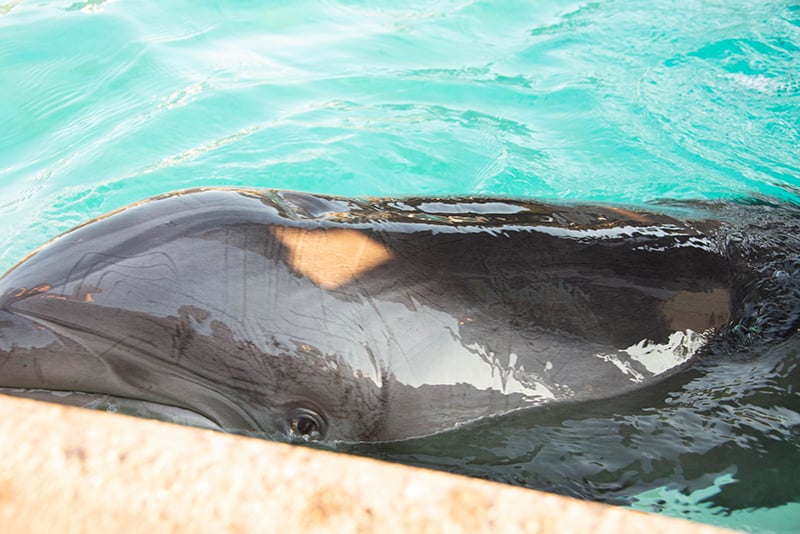
Some of us grew up going to marine parks like SeaWorld. Behind the hyped-up shows were (and still are) humans robbing dolphins of everything natural and important to them: the freedom to swim vast distances, choose their companions, and live freely with their families. The industry even has the gall to insist that this cruelty and exploitation is “educational.” But a comprehensive new survey commissioned by PETA, conducted by The Harris Poll among 2,001 adults across the United States, shows just how strong attitudes are.
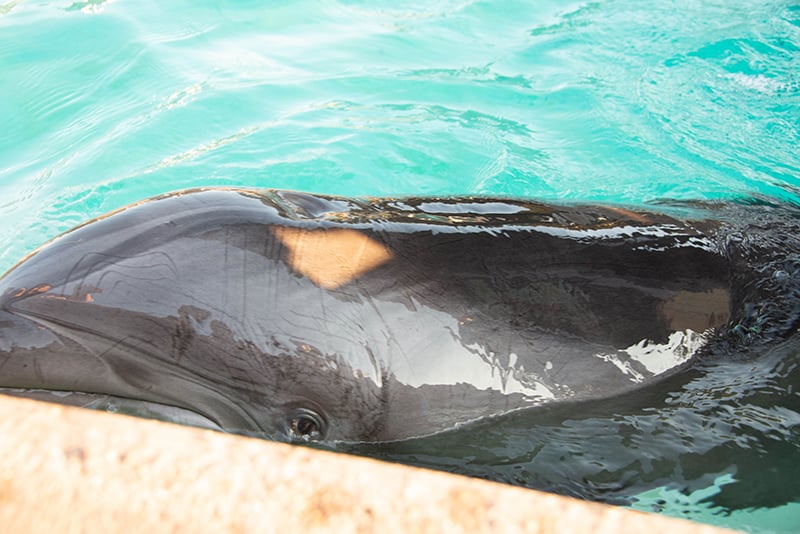
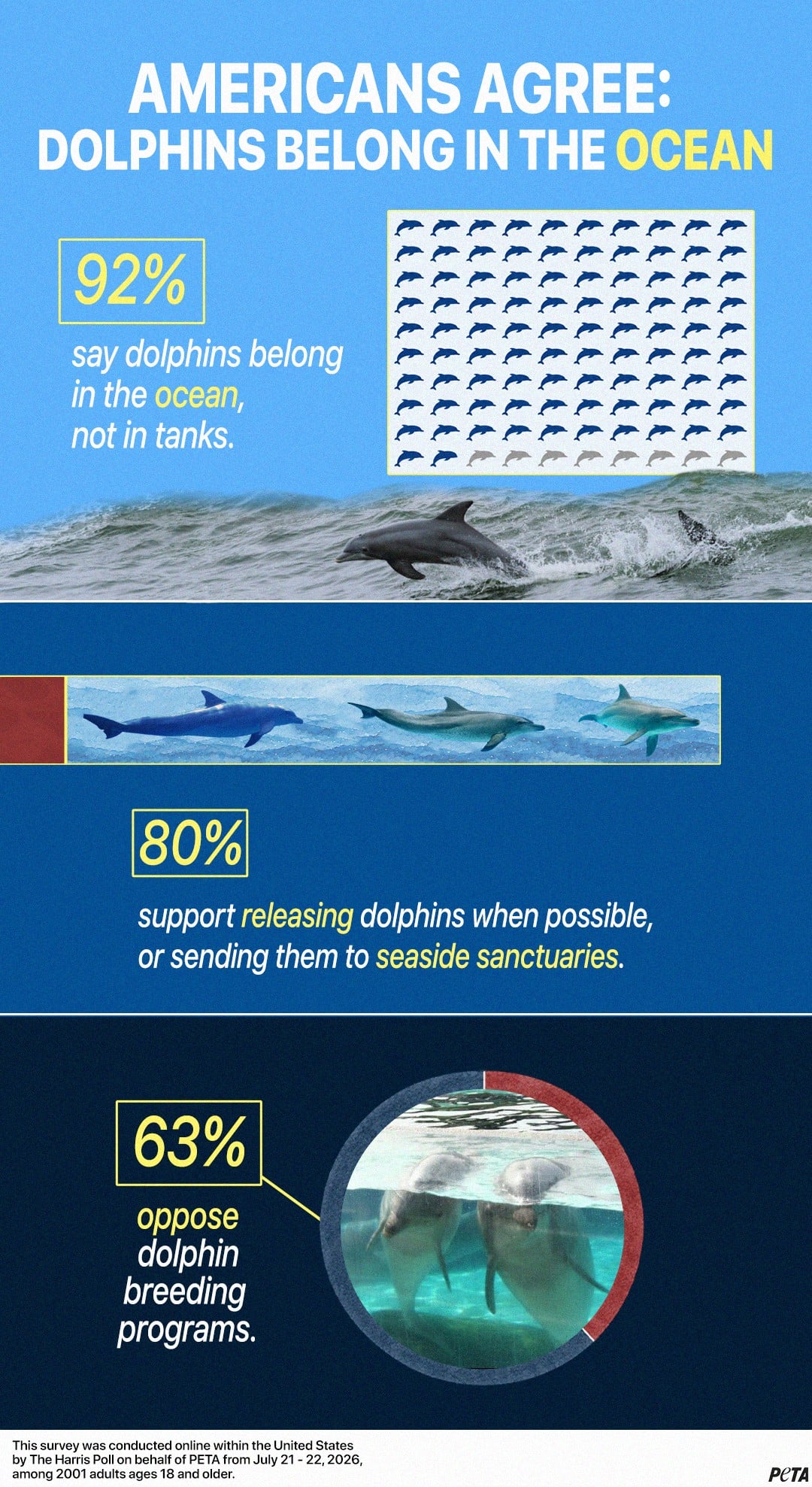
The survey found that an overwhelming 92% of Americans believe dolphins belong in the ocean, not in tanks, while 80% support releasing captive dolphins from marine parks and resorts when possible, or sending them to seaside sanctuaries.
That’s because these days, we know better. We know that dolphins used for shows and hands-on encounters suffer confinement, deprivation, and loss. We know that these facilities deny them the freedom to live anything resembling a natural life.
Yet hundreds of dolphins remain confined at 17 marine parks, resorts, and shoddy aquariums across five states nationwide, including facilities such as Discovery Cove in Florida, Six Flags Discovery Kingdom in California, Mississippi Aquarium, SeaWorld San Antonio, and Sea Life Park Hawaiʻi. These facilities put the industry sharply at odds with the public it tries to sell tickets to.
Americans Are Ready for a Better Future for Dolphins
Every additional survey result widens the gulf between what the public wants and what marine parks and resorts are still doing:
63% of Americans oppose breeding programs for dolphins in captivity at marine parks and resorts.
70% of Americans who have visited a U.S. marine park or resort that has dolphins have concerns about the animals there.
57% of Americans would view marine parks and resorts negatively after learning that they keep dolphins for entertainment.
63% would have a more positive opinion of a marine park or resort that publicly committed to relocating dolphins to seaside sanctuaries.
What We Know About Dolphins—and Abusement Parks That Exploit Them
Dolphins are intelligent, highly social animals who, in nature, spend their lives swimming vast distances, diving to great depths, and living in close-knit pods. Yet marine parks and resorts confine them to concrete-walled tanks and makeshift lagoons. Trainers force them to perform pointless tricks for crowds, and many are housed with incompatible tank mates.
The contrast between a free life in their ocean homes and life at an abusement park couldn’t be starker. Instead of navigating vibrant marine ecosystems, they spend their days circling barren enclosures. Instead of making their own choices or choosing their own relationships, humans control every aspect of their lives. It’s no surprise that more Americans today are questioning these facilities.
Seaside Sanctuaries Are the Future
Coastal sanctuaries provide protected ocean environments where dolphins can experience natural currents, explore larger spaces, and enjoy autonomy while receiving expert care.
These sanctuaries aren’t just a dream for the future—they’re already becoming a reality. Two belugas were transferred from a marine park in China to a sanctuary in Iceland, three dolphins confined to tiny pools in Indonesia were rehabilitated and released into the sea, the Whale Sanctuary Project is creating a sanctuary for orcas and belugas in Nova Scotia, and the San Paolo Dolphin Refuge will open soon in Taranto, Italy.
The tide is turning against abusement parks worldwide: Canada, France, and Mexico have banned dolphin captivity for “entertainment,” and the notorious Miami Seaquarium closed after more than 50 years. PETA has helped drive that momentum through years of campaigns, protests, and celebrity-supported efforts featuring advocates such as Pamela Anderson, Hayden Panettiere, and Bella Thorne. Following pressure from PETA and other advocates, SeaWorld ended its orca breeding program and stopped allowing trainers to ride on dolphins’ backs. And after hearing from PETA, Aulani, A Disney Resort & Spa in Hawaiʻi, and Hawks Cay Resort in Florida both confirmed that they had ended harmful swim-with-dolphin encounters.
This new survey is the latest move in our relentless campaign to end the confinement of dolphins for entertainment.
Americans have spoken. Dolphins belong in the ocean, not in tanks. It’s time for facilities that still confine them for human amusement to commit to sending them to seaside sanctuaries, where they can experience freedom from exploitation at last.
Tell U.S. marine parks to finally do right by dolphins:
Help Free the Dolphins From These Marine Parks
By submitting this form, you’re acknowledging that you have read and agree to our privacy policy and agree to receive e-mails from us.
Methodology: This survey was conducted online within the United States by The Harris Poll on behalf of PETA from July 21-22, 2026, among 2,001 adults ages 18 and older. The sampling precision of Harris online polls is measured by using a Bayesian credible interval. For this study, the sample data is accurate to within +/- 2.7 percentage points using a 95% confidence level. For complete survey methodology, including weighting variables and subgroup sample sizes, please contact PETA at 757-622-7382 or info@peta.org.
The post Americans Have Had Enough of Dolphins in Tanks, New PETA Poll Shows appeared first on PETA.