
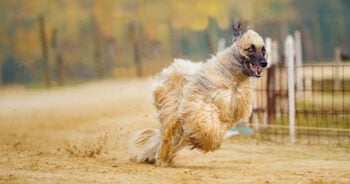
Every dog breed has its own strengths and weaknesses, and a stubborn streak doesn’t make a dog any less lovable. These 10 breeds simply ask for more patience and consistency in training. Get one of them reliably obedient, and you’ve earned bragging rights.
Least obedient dog breeds ranked by historical job and trainability trait
Breed
Historical Job
Trainability Trait
AKC Breed Group
Best Training Approach
Afghan Hound
Sighthound bred to chase prey over long distances
Independent, aloof, low responsiveness to cues
Hound Group
Positive reinforcement with high-value rewards in a secure, distraction-controlled area
Chow Chow
Guard and hunting dog developed in China
Reserved, dignified, stubborn, low food/toy motivation
Non-Sporting Group
Early socialization plus short, consistent reward-based sessions
Basenji
Independent hunter used to flush and track game
Cat-like independence, short attention span
Hound Group
Positive reinforcement games that tap into a strong play drive
Bulldog
Bred for bull-baiting, later cattle driving
Stubborn, slow-paced, low urgency to comply
Non-Sporting Group
Short, low-impact sessions with food rewards; watch for heat and fatigue
Bloodhound
Scent hound bred to trail deer and boar
Independent, nose-driven, easily distracted by scent
Hound Group
Scent-based reward games and long-line recall practice in secure areas
Pekingese
Companion dog bred for Chinese royalty
Self-assured, independent, resistant to repetitive drills
Toy Group
Early socialization with short, patient, reward-based sessions
Dachshund
Hunting dog bred to pursue badgers and other burrowing game
Brave, independent, prone to boredom-driven disobedience
Hound Group
Puzzle toys plus short, consistent sessions to offset boredom
Welsh Terrier
Independent hunting terrier
High energy, self-directed, easily bored
Terrier Group
Mental stimulation and puzzle tasks paired with reward-based training
Borzoi
Sighthound bred to hunt wolves
Quiet, catlike, stubborn, strong prey drive
Hound Group
Patient, consistent, good-humored training; leash or secure fencing during exercise
Beagle
Scent hound bred to trail small game
Nose-driven, stubborn when scent is present
Hound Group
Scent-based rewards and high-value treats to compete with distraction
#1 – Afghan Hound
The Afghan Hound was bred to spend all day chasing prey over long distances. These sighthounds needed to think for themselves to keep track of the prey instead of looking to their owner for direction. These days, those traits are displayed as being aloof and independent.
They make up for their lack of obedience by being extremely affectionate and loyal. Owners of this dignified breed report that no amount of training will overcome the breed’s hunting instinct to chase after prey (AKC breed standard, accessed 2026-05-22). They need the opportunity to run freely in a large securely-fenced area at least a few times a week to meet their exercise requirements and need to run and chase. Training them to listen to you instead of keeping an eye out for something to chase can be a challenge.
#2 – Chow Chow
Chow Chows are said to have very cat-like personalities. They are aloof, reserved, independent, dignified, intelligent, and stubborn, much like the other famously sassy dog breeds that keep owners on their toes. This stubborn streak means that they spend a lot of time choosing to ignore what you’re asking them to do unless you can convince them it is something they want to do.
Without a lot of socialization as a puppy, Chow Chows are also prone to becoming territorial and aggressive to any person or dog outside their immediate family. This can make them an excellent guard dog, but a liability anywhere outside your own property. It takes a lot of work to convince them that not all strangers are threats to your family.
#3 – Basenji
Like the Chow Chow, the Basenji has a very cat-like personality, a trait it shares with other famously independent dogs, including these breeds similar to the Shiba Inu. Like the Afghan Hound, they were bred to be independent hunters. They are referred to as the “barkless dog,” but that doesn’t mean they are quiet. They make a sound that’s described as something between a chortle and a yodel (AKC breed standard, accessed 2026-05-22). It’s a sound that your neighbors may not find as adorable as you do.
They need to be socialized and trained early. Their boundless energy and short attention span make it difficult for them to pay attention to training. The good news is that you can use their high play drive to train them with positive reinforcement techniques.
#4 – Bulldog
Bulldogs needed the tenacity to drive cattle to the market and participate in the bloody sport of bull-baiting, and that trait has carried over into today’s Bulldog as stubbornness.
While they are no longer aggressive, they do things on their own time, at their own speed, and only if they want to. Getting them to go for a walk can be a chore, but it’s a necessary one since Bulldogs are particularly prone to obesity, which VCA Animal Hospitals notes exacerbates some of the other medical problems they are prone to (last reviewed 2023). Adorable though they may be, Bulldogs are also reported as being slow to learn.
#5 – Bloodhound
The Bloodhound was bred to trail deer and boar and needed to be able to think for himself while on the hunt. This independent attitude can make the Bloodhound rather disobedient today without the right training. Bloodhounds will go to the ends of the earth following their nose and they have endless amounts of energy.
Dogtime calls the Bloodhound “the definition of the word stubborn,” a description that lines up with the AKC breed standard’s account of the Bloodhound’s independent, nose-driven temperament (accessed 2026-05-22). With a lot of training, exercise, and patience, the Bloodhound can become a sensitive, tolerant family dog. The dogs were originally kept as status hounds by royalty, leading many to believe the name came from being a “blooded” hound belonging to those of royal blood.
#6 – Pekingese
Bred as a lap dog for the royals of China, the Pekingese was never meant to carry out an obedience drill or an agility course. They have an air of self-importance that makes them believe you are their royal subject rather than vice versa, which can make training them quite the challenge.
They are extremely intelligent; however, they are also independent and stubborn. They are affectionate with their family but may not get along with strangers and other dogs. They need to be socialized and obedience trained from a very early age.
#7 – Dachshund
Dachshunds were bred to hunt badgers, rabbits, foxes, and even boar, a working history confirmed by the AKC breed standard (accessed 2026-05-22). They are brave, independent, and stubborn. They are notoriously difficult to train and housebreak. They are lively and intelligent and need things to keep their minds and bodies active.
Boredom can exacerbate disobedience. They were bred to dig into tunnels chasing after badgers, so they may be inclined to tear up your backyard to act on that instinct. They also love to bark. Puzzle toys can help keep Dachshunds from becoming destructive, and if this feisty personality appeals to you, these breeds similar to Dachshunds are worth a look too.
#8 – Welsh Terrier
Like many other breeds on this list, the Welsh Terrier was bred to hunt independently, a trait documented in the AKC breed standard (accessed 2026-05-22). Being bred to think for themselves, they aren’t too keen on listening to somebody else’s directions. Welsh Terriers have boundless energy and want to play all day long.
They also love to solve puzzles, and if you don’t provide them with enough mental stimulation, that puzzle could be how to get into the trash or find your favorite article of clothing to destroy. Like a cat, Welsh Terriers like to be in high places like on top of tables and other furniture. They are also prone to barking and digging.
Image source: @somethingferdinand via Flickr
#9 – Borzoi
If you thought a dog bred to hunt wolves would have an independent attitude and not be inclined to obey humans, you would be right – and describing the Borzoi. Once called Russian Wolfhounds, the Borzoi will chase anything it can and doesn’t care much about following directions, a chase drive it shares with other sighthounds, including these breeds similar to Whippets. According to the AKC breed standard (accessed 2026-05-22):
“In their quiet, catlike way they can be stubborn, and training is best accomplished with patience, consistency, and good humor.”
Thanks to their strong need to chase things, they need to be kept on a leash or allowed to run in a well-fenced-in area. This isn’t the type of dog who will casually stroll next to you unleashed on a hike.
#10 – Beagle
Beagles were bred to follow their nose all day in pursuit of small game, so getting them to listen to your commands instead of their nose can be challenging, a scent-driven trait the AKC breed standard also describes (accessed 2026-05-22). Their stubbornness and need to follow their nose requires creativity to train them.
They were also designed to bay when on a hunt so that hunters could follow the sound of their pack of dogs when on a hunt, and your Beagle will not care what time of day it is if he sees something outside a window that he wants to chase. They need plenty of exercise to keep them from becoming destructive.
The post 10 Least Obedient Dog Breeds (2026 Trainability Rankings) appeared first on iHeartDogs.com.