
It might seem like we already know every kind of dog that exists, especially with how often we see popular breeds in our daily lives and online. From small companion dogs curled up on couches to large working breeds seen in parks and farms, the variety feels endless. Yet beyond what most people recognize, there are still rare and remarkable dogs that quietly exist outside the spotlight. Some are so uncommon that even lifelong dog lovers may never come across them, making each discovery feel truly special.
One of the most fascinating among them is the Norwegian Lundehund. With only around 1,500 to 3,000 left in the world, this rare breed carries a story of survival and features unlike any other dog.
Once pushed to the brink of extinction in the 1960s, the Lundehund’s journey has been anything but easy. Careful and dedicated breeding efforts have slowly brought their numbers back. Today, about 900 of them live in Norway, where they were originally bred to hunt puffins along steep coastal cliffs. Though puffin hunting is no longer practiced, the instincts and physical traits that once made them essential have never faded.
A Body Built for Survival
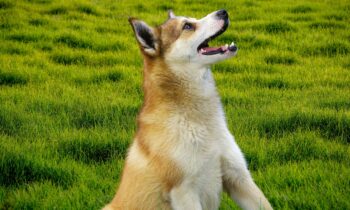
At first glance, a Norwegian Lundehund may look like a typical Spitz-type dog. They have a curled tail, thick coat, and fox-like face. But a closer look reveals something remarkable.
Each paw has six toes, complete with extra pads. This gives them exceptional grip, especially on rocky or uneven terrain. It’s a trait that once helped them climb cliffs in search of nesting birds.
Their flexibility is even more surprising. A Lundehund can bend its neck so far back that it touches its spine. Their ears can fold shut to protect against debris, and their shoulders are so flexible that they can stretch their front legs out to the sides. This unusual movement is often described as a rotary gait.
These physical traits are not just impressive; they are remarkable. They are a reflection of a dog shaped by harsh landscapes and demanding work. Every feature tells a story of adaptation and resilience.
From Cliff Hunter to Loyal Companion
While their hunting days are behind them, Lundehunds have found new roles as companions and agility dogs. Their intelligence and energy make them quick learners, but they also need experienced owners who understand their unique needs.
They are naturally curious and playful. Around their families, they show deep loyalty and affection. With strangers, they tend to be more reserved, observing before opening up. This balance makes them both loving and watchful companions.
Despite their small size, usually around 15 to 18 pounds, they thrive on activity. Mental stimulation, play, and consistent training are essential for their well-being. Without it, their sharp minds can easily become restless.
A Gentle Reminder of Hope
The Lundehund’s story is one of quiet perseverance. From near extinction to a slow but steady recovery, they stand as a reminder that even the rarest lives can be protected with care and commitment.
Today, these dogs are no longer climbing cliffs in search of puffins. Instead, they are running through agility courses, exploring backyards, and forming deep bonds with the people who care for them.
Their six toes and incredible flexibility may be what first captures attention, but it’s their journey and spirit that leave a lasting impression.
Click ‘SHARE’ below to pass it on to family and friends!
The post Did You Know There’s Only One Dog Breed With 6 Toes? Meet the Rare Polydactyl Dog appeared first on iHeartDogs.com.