
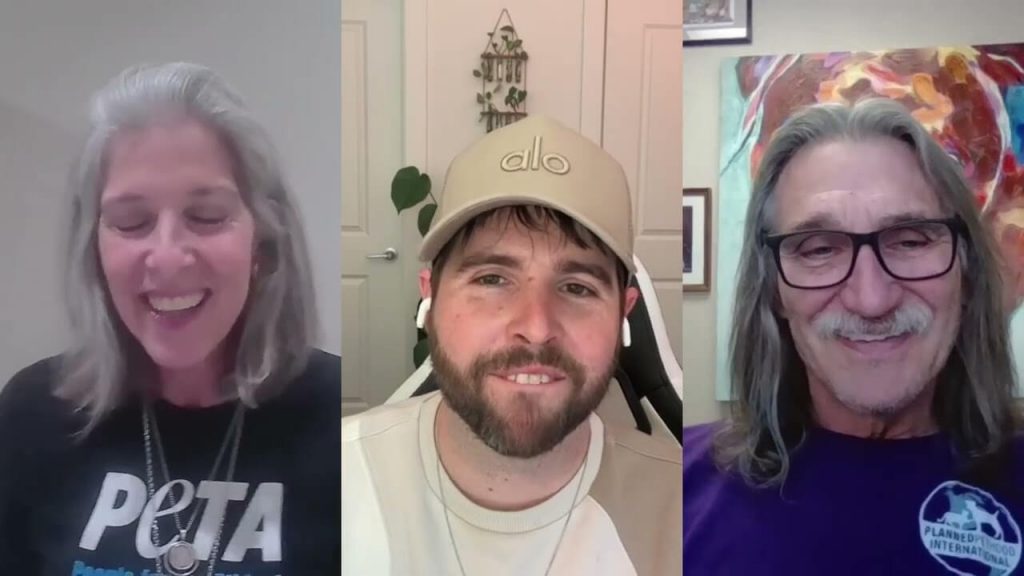
Some shelters brag about “saving” lives. But what about the animals they refuse to take in? On the latest episode of The Rocky Mountain Vet Podcast, PETA Senior Vice President Daphna Nachminovitch joins Dr. Jeff Young and Andrew Duffer for an unfiltered conversation about “no kill” policies and the growing number of “ghost animals” they betray.
The candid conversation is also available now on Spotify, Apple Podcasts, and other streaming platforms.
‘No-Kill’ Is a ‘Sexy Slogan’ That Hides Deadly Consequences
In the episode, you’ll hear how some shelters use that slogan to boost their image, while quietly turning away the animals who need help most. Sick. Injured. Elderly. Unsocialized. The ones who require real resources and tough decisions.
“If a shelter refuses to take in an animal, that animal doesn’t show up in the data—but [they] still exist, and [they] still suffer.”
—Andrew Duffer
Those “ghost animals” don’t disappear. Most of them struggle to survive on the streets before dying slowly and painfully.
“If you don’t count them, that doesn’t mean that they don’t count.”
—Daphna Nachminovitch
Meanwhile, open-admission shelters—the ones that take in every animal, no matter their condition—are left to pick up the pieces. They handle the hardest cases, the worst suffering, and the animals no one else will accept.
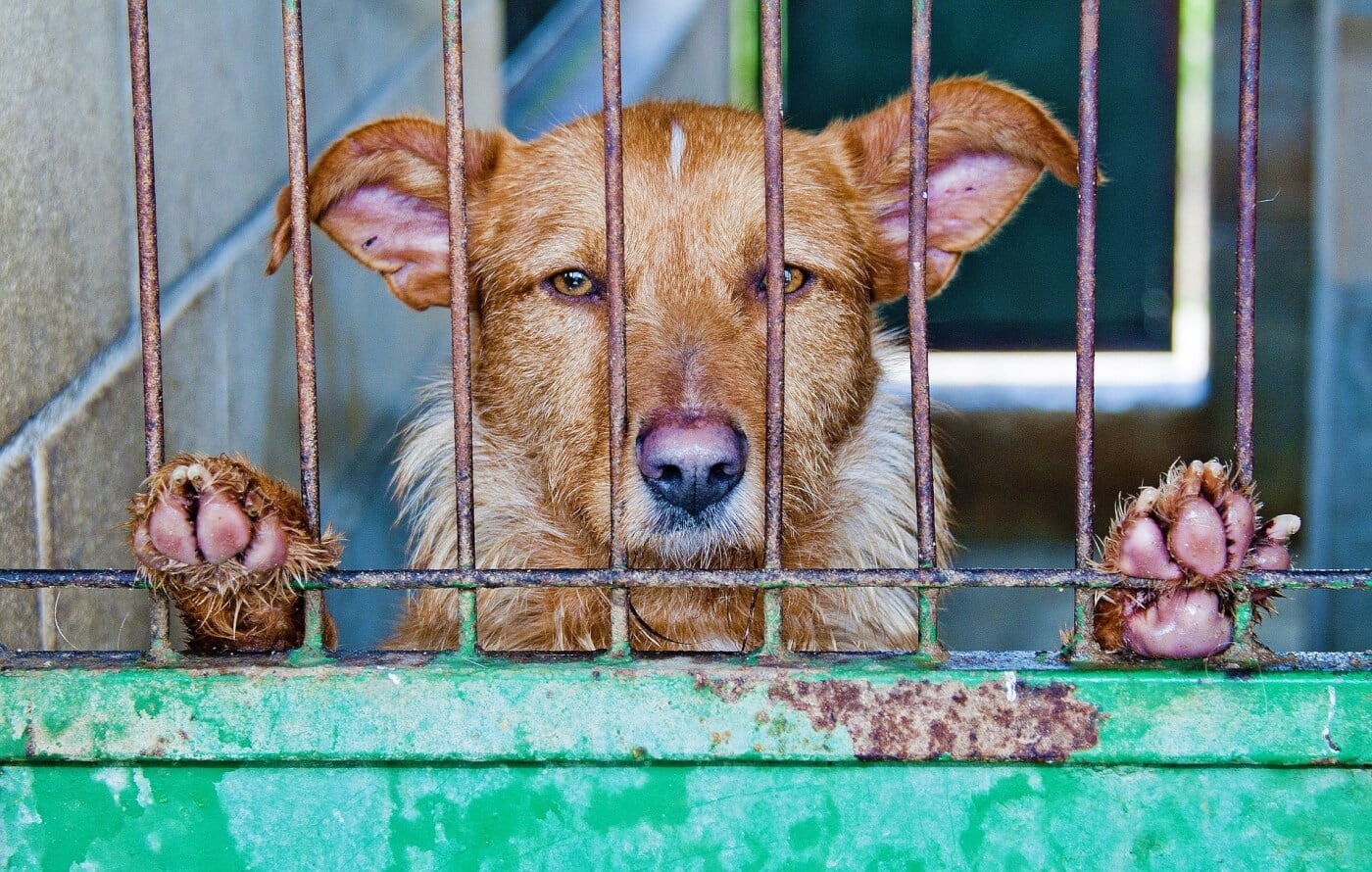
And for that, they’re vilified. As Daphna noted, people in the field are sometimes “bullied,” “pushed out of the profession,” and called “murderers” and even “Nazis”—all for shouldering the responsibility other shelters avoid.
“I think Best Friends has had a very, very bad influence on the state of sheltering in our country.”
—Daphna Nachminovitch
The episode also pulls no punches about the real-world consequences of chasing “save” rates, including shelters adopting out aggressive animals and fueling the myth that animals at the shelter are “damaged goods.”
“I’ve been in no kill shelters all over the world and all over this country. I’ve never been in one that I felt I couldn’t prosecute for cruelty or neglect.”
—Dr. Jeff Young
Real progress doesn’t come from slogans, it comes from prevention. Spay/neuter programs, humane education, and responsible policies are the only ways to reduce intake and stop the cycle of suffering before it starts. That’s why PETA’s spay/neuter clinics have sterilized more than 250,000 animals since 2001.
“The tip of the spear will always be spay neuter. You have to have humane education, and you have to have legislation.”
—Dr. Jeff Young
If you want a clear, candid look at what’s really happening behind “no-kill” messaging, and who is paying the price, please listen and share:
The post Tune In: ‘No-Kill’ Is a ‘Sexy Slogan,’ and Animals Are Paying for It appeared first on PETA.