
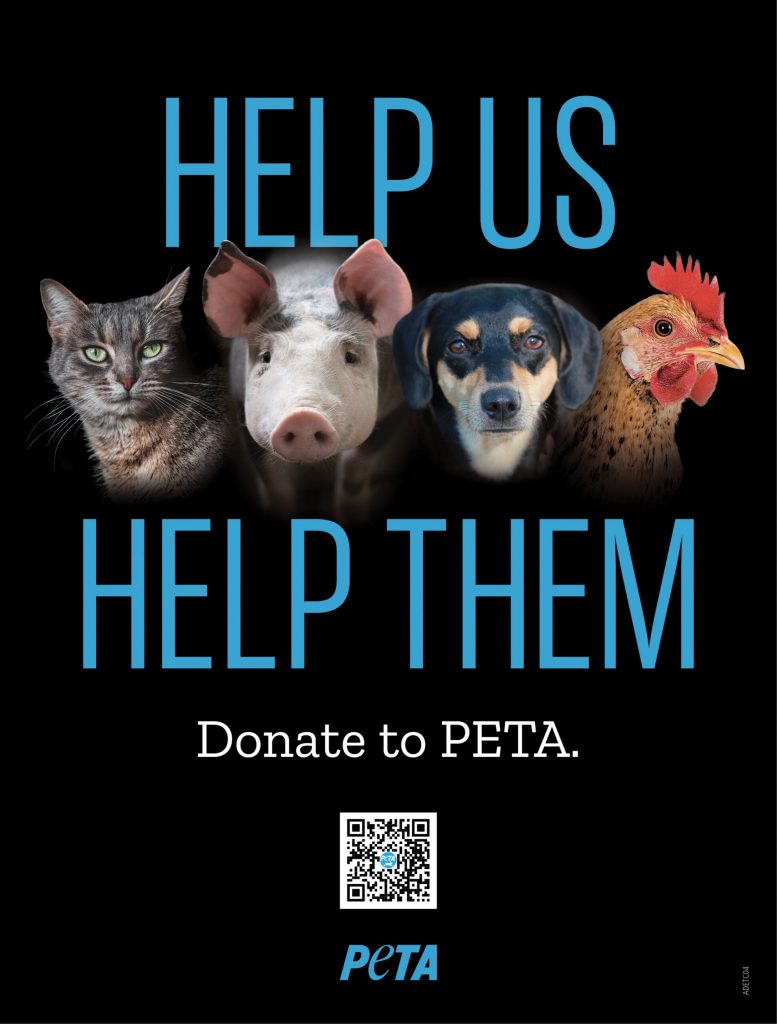
Washington D.C.’s transit authority doesn’t want you to see these ads—which is exactly why we just filed a federal lawsuit.
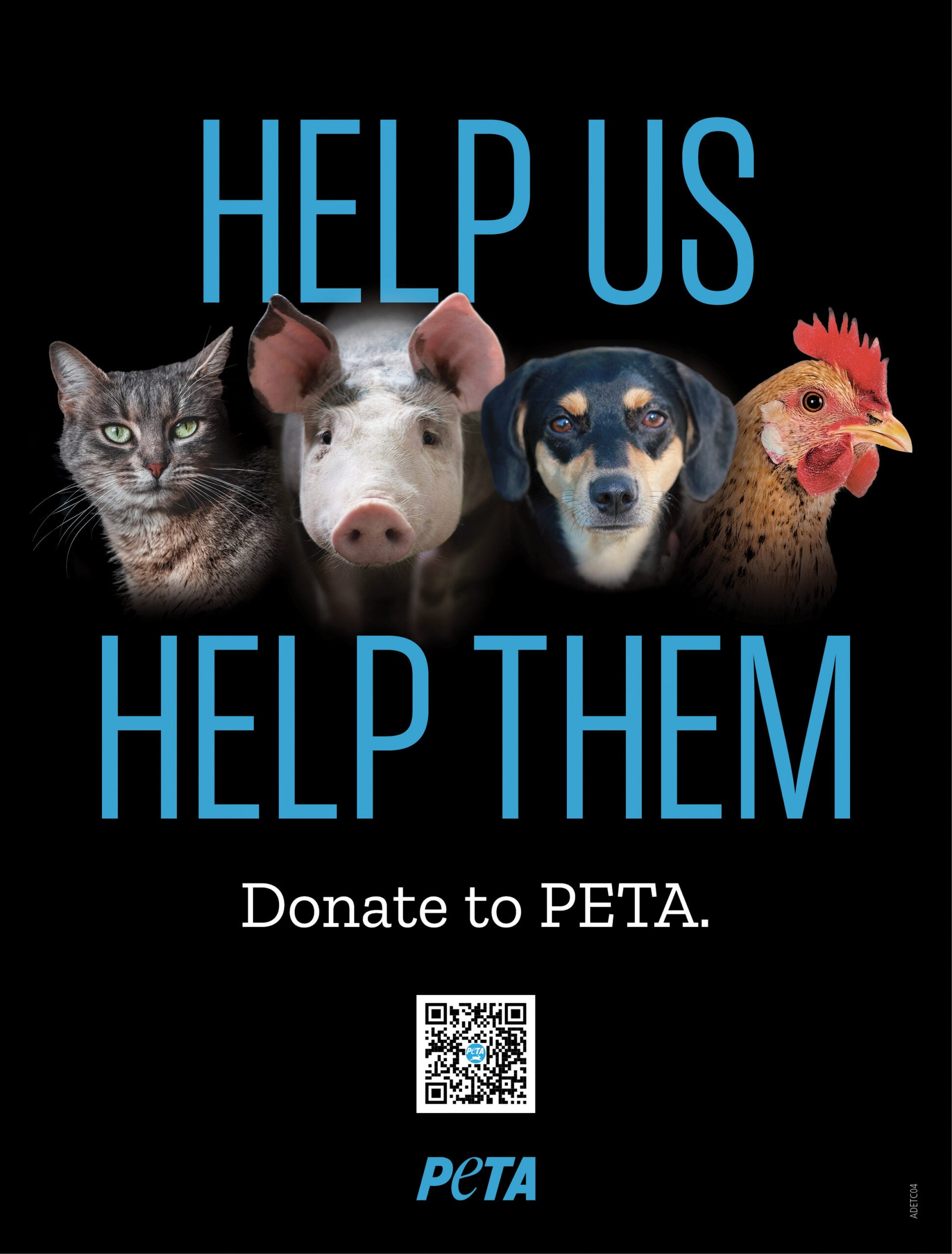

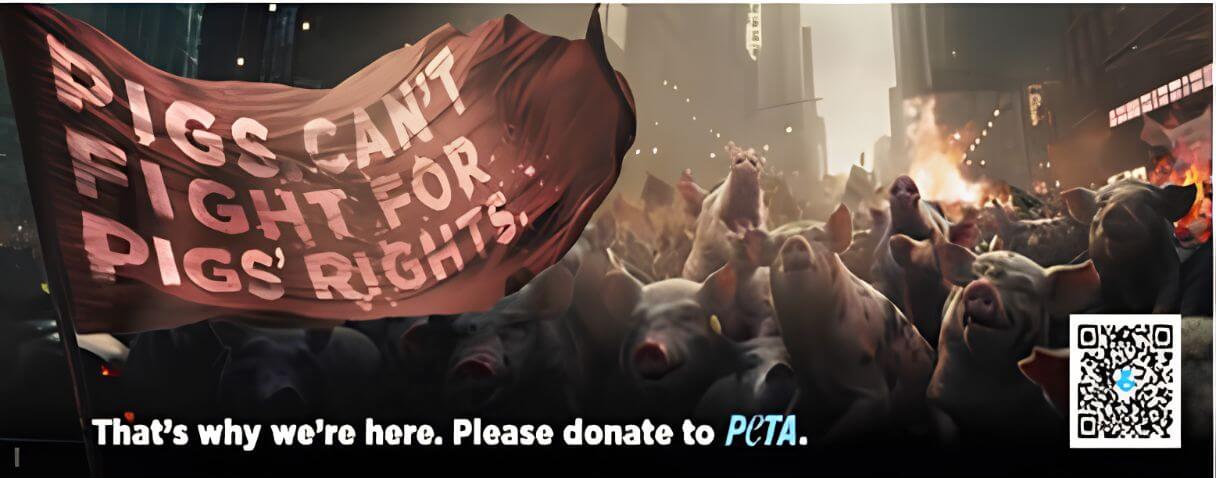
PETA’s suit against Washington Metropolitan Area Transit Authority (WMATA) General Manager Randy Clarke alleges that the agency’s refusal to run three pro-animal ads violates the First Amendment and amounts to illegal viewpoint discrimination.
At the center of the lawsuit: three ads that feature animals and ask viewers to support PETA’s work.
‘Allowed’ for Some—But Not for PETA
WMATA’s advertising guidelines explicitly allow ads that solicit donations. The agency has even accepted similar ads from other nonprofit organizations.
But when PETA submitted our own ads last year, WMATA’s advertising agent, Outfront, rejected them—claiming they violated a rule banning ads “intended to influence members of the public regarding an issue on which there are varying opinions.”
Here’s the problem:
PETA’s ads don’t push a political policy or feature graphic content. They simply show animals—like a piglet, dog, or chicken—paired with a request for support and a broad message about kindness and animal protection.
According to the lawsuit, WMATA hasn’t been able to reasonably explain how these ads break its rules.
What WMATA Doesn’t Want Riders to See
The rejected ads include:
A “Help Us Help Them” visual featuring animals commonly exploited for food and entertainment
A call to “Donate to PETA” paired with images of animals in need
A banner inviting viewers to join PETA and receive a free vegan starter kit
They are straightforward. They are non-graphic. And they’re the kind of fundraising messages WMATA allows—just not when they come from PETA.
A Pattern of Silencing Animal Liberation Messaging
This isn’t the first time PETA has taken WMATA to court.
Back in 2017, we challenged the agency’s ad policies as unconstitutionally vague—arguing that decisions about which ads ran were ultimately subjective and inconsistent.
WMATA later introduced new “interpretive aids” meant to bring more clarity and fairness to the review process, and we dropped that lawsuit in 2025.
But now, those safeguards are being ignored—especially when the message challenges industries built on extreme cruelty and exploitation.
Animals Should Be Seen—and Heard
At its core, this case isn’t just about ad space. It’s about whether an agency can pick and choose which messages the public sees.
And when institutions try to silence that message, PETA will fight back—in court if necessary.
Take Action
YOU have the power to speak up for our fellow animals. Here’s what you can do:
Donate to PETA to help expose systemic cruelty and push for change.
Order a free Vegan Starter Kit to take the first step toward compassionate living.
Share this story and help ensure other animals aren’t shut out of the conversation.
The post DC Transit Blocked PETA’s Vegan Ads—So We’re Taking It to Court appeared first on PETA.