
No one wants to imagine their dog developing cancer, but knowing what to watch for can make all the difference. While regular wellness exams are essential, many forms of canine cancer can develop and spread in the months between annual veterinary visits. In fact, dogs are susceptible to many of the same cancers that affect humans, but some can progress much more rapidly.
The good news is that early detection often leads to more treatment options, a better quality of life, and, in many cases, more precious time with your dog. That’s why every pet parent should become familiar with the warning signs that shouldn’t be ignored.
It’s important to remember that these symptoms do not automatically mean your dog has cancer. Many can also be caused by infections, injuries, hormonal disorders, or other treatable illnesses. However, any persistent or unexplained change deserves a veterinary examination.
Dr. Kelly Ryan, DVM, of the Animal Medical Center of Mid-America and Humane Society of Missouri, recommends watching for these 10 early warning signs.
1. Unusual Odors
Dogs aren’t known for smelling like roses, but a new or unusually foul odor can sometimes signal an underlying medical problem.
Pay close attention to persistent bad smells coming from your dog’s:
Mouth
Nose
Ears
Rectal area
Oral tumors, nasal cancers, infected tumors, and cancers involving the anal glands can all create distinctive odors. If brushing your dog’s teeth or routine grooming doesn’t eliminate the smell, schedule a veterinary exam.
2. New Lumps or Bumps
One of the most common ways cancer is discovered is when an owner notices a lump while petting their dog.
Get into the habit of running your hands over your dog’s entire body once a month. Check:
Behind the ears
Under the neck
Along the chest
Under the legs
Belly and groin
Around the tail
Many lumps are harmless fatty tumors (lipomas), especially in older dogs. However, it’s impossible to tell whether a lump is benign or cancerous simply by looking or feeling it.
Your veterinarian can perform a simple fine-needle aspirate, which often provides valuable information with minimal discomfort.
Seek veterinary care promptly if a lump:
Appears suddenly
Grows quickly
Bleeds or oozes
Changes color
Becomes painful
Ulcerates
3. Unexplained Weight Loss
If your dog hasn’t started a diet or increased their exercise, noticeable weight loss should never be ignored.
Cancer cells consume tremendous amounts of energy and can alter your dog’s metabolism. Weight loss may occur even if your dog seems to be eating normally.
In many dogs, unexplained weight loss is one of the earliest signs that something serious is happening internally.
4. Changes in Appetite
Most dogs rarely skip a meal, so a loss of appetite often signals illness.
Watch for dogs that:
Eat significantly less
Leave food behind
Suddenly become picky
Have difficulty chewing
Drop food from their mouth
Cancers affecting the mouth, digestive tract, liver, kidneys, or other organs may reduce appetite or make eating uncomfortable.
If your dog refuses food for more than a day—or sooner for puppies, seniors, or dogs with existing health problems—contact your veterinarian.
5. Unusual Fatigue or Lethargy
Every dog enjoys a lazy afternoon, but true lethargy is different.
A lethargic dog may:
Sleep much more than usual
Show little interest in walks or play
Tire easily
Seem mentally “checked out”
Struggle to get comfortable
Cancer can cause fatigue through pain, anemia, inflammation, or by affecting major organs.
You know your dog’s normal energy level better than anyone. If they simply don’t seem like themselves for several days, it’s worth having them examined.
6. Persistent Coughing or Trouble Breathing
Respiratory changes should always be taken seriously.
While coughing is often caused by infections, allergies, or heart disease, it can also occur with cancers affecting the lungs or chest.
Watch for:
Persistent coughing
Wheezing
Rapid breathing
Shortness of breath
Exercise intolerance
If your dog struggles to breathe, seek veterinary care immediately.
7. Changes in Behavior or Mobility
Pain is one of the biggest reasons dogs change their behavior.
A normally affectionate dog may suddenly:
Become irritable
Hide more often
Avoid being touched
Stop greeting family members
Lose interest in favorite activities
Bone cancers and cancers affecting joints, muscles, or nerves can also cause:
Limping
Stiffness
Difficulty climbing stairs
Trouble standing up
Reluctance to jump into the car or onto furniture
Because dogs instinctively hide pain, even subtle behavior changes deserve attention.
8. Wounds That Don’t Heal
Healthy tissue heals.
If your dog has an open sore, skin lesion, or wound that remains present for several weeks despite appropriate care, it should be evaluated.
Some skin cancers appear as:
Persistent ulcers
Scabby patches
Bleeding sores
Thickened areas of skin
Early diagnosis greatly improves treatment success.
9. Chronic Vomiting, Diarrhea, or Abdominal Swelling
Occasional stomach upset happens to every dog.
However, frequent vomiting, ongoing diarrhea, or repeated digestive issues shouldn’t be dismissed as “just a sensitive stomach.”
Digestive cancers may also cause:
Weight loss
Poor appetite
Blood in stool
Swollen abdomen
Pain when touched
A bloated or rapidly enlarging abdomen is especially concerning and requires immediate veterinary attention.
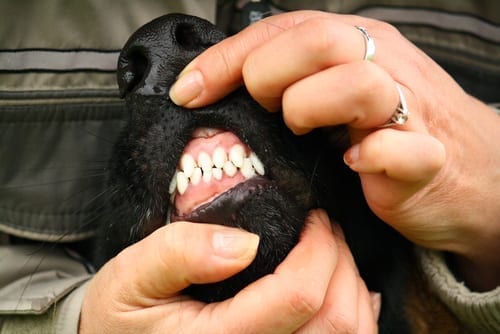
10. Pale Gums
Your dog’s gums provide valuable clues about their health.
Healthy gums are typically a bubblegum pink color (though some dogs naturally have pigmented gums).
Pale, white, or gray gums may indicate:
Blood loss
Anemia
Internal bleeding
Poor circulation
Some cancers can cause internal bleeding or affect the bone marrow, leading to pale gums. Because this symptom can signal a medical emergency, don’t delay seeking veterinary care.
When in Doubt, Get It Checked Out
Finding one of these warning signs doesn’t necessarily mean your dog has cancer, but it does mean it’s time to schedule a veterinary visit. Many of these symptoms overlap with infections, inflammatory diseases, or other treatable conditions, and only a thorough examination and appropriate diagnostic testing can determine the cause.
As veterinarians often say, it’s always better to investigate a problem while it’s still small than wait until it’s too late. Staying familiar with your dog’s normal appearance, appetite, energy level, and behavior is one of the most powerful tools you have for catching illness early.
If something doesn’t seem right, trust your instincts. No one knows your dog better than you do, and acting promptly could make a life-changing difference.
The post From A Vet: 10 Early Warning Signs Of Canine Cancer appeared first on iHeartDogs.com.