
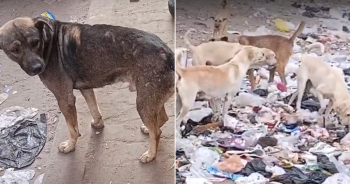
In the quiet forest near El Aarjate, Morocco, a street dog—known locally as a “Beldi”—is gently lifted from a cage and placed on a surgery table. She’s about to be spayed and vaccinated for rabies, two vital steps before returning to the streets of Rabat with a blue tag clipped to her ear. This simple act is part of Morocco’s expanded Trap, Neuter, Vaccinate, and Return (TNVR) program, aimed at controlling the country’s growing stray dog population humanely.
“We have a problem: That’s stray dogs. So we have to solve it, but in a way that respects animals,” said Mohamed Roudani of the Interior Ministry’s Public Health and Green Spaces Department.
Since adopting the TNVR model in 2019, Morocco has spent roughly $23 million establishing animal control centers and training staff. A pilot facility near Rabat is already operational, with 14 more centers planned across the country. The initiative aligns Morocco with international animal welfare standards, and officials are eager to expand its reach.
Estimates suggest there are between 1.2 and 1.5 million stray dogs in Morocco. While some communities feed and care for them, others cite concerns over safety and rabies. More than 100,000 Moroccans require post-bite rabies vaccinations each year, with children making up a significant portion of cases.
The TNVR center in El Aarjate offers a rare glimpse into the humane approach Morocco is working to implement. The facility is clean, calm, and well-organized, with veterinarians treating 400–500 dogs from Rabat and surrounding areas. Dogs deemed healthy are returned to the streets, while those deemed aggressive or terminally ill are humanely euthanized using sodium pentobarbital.
Veterinarian Youssef Lhor believes this method is not only ethical but effective. “Slaughtering dogs leads to nothing,” he said. “This TNVR strategy is not a miracle solution, but it is an element that will add to everything else we’re doing.”
Still, Morocco’s intentions have been called into question. After being selected to co-host the 2030 FIFA World Cup, animal rights groups accused the government of ramping up mass killings to “clean up” the streets. The International Animal Welfare and Protection Coalition alleged Morocco was exterminating up to 3 million dogs in areas near planned stadiums. Graphic accusations of dogs being shot or strangled circulated widely in media and online.
Ian Ward of the coalition described horrifying scenes: dogs shot in front of children or dragged away with wire nooses. Protests erupted internationally, including in India, urging FIFA to act. Moroccan officials firmly deny these claims and say their policies are not linked to the World Cup. They argue that the TNVR program is precisely what activists advocate for—and that reports of abuse are isolated incidents, not reflective of nationwide policy.
A draft law is now in development that would mandate pet vaccinations and establish penalties for animal mistreatment. Moroccan authorities hope these measures will improve safety while showcasing a commitment to animal welfare.
Still, skepticism remains. Some believe the government’s humane efforts are more about optics than enforcement. As Morocco prepares to welcome the world in 2030, how it treats its most vulnerable animals will continue to draw international attention.
Click the video below to watch the full story:
Click ‘SHARE’ below to pass it on to a friend or family member!
This content was created with AI assistance and edited by the iHeartDogs team.
The post Why Is Morocco Killing Stray Dogs Ahead of The 2030 World Cup? appeared first on iHeartDogs.com.