
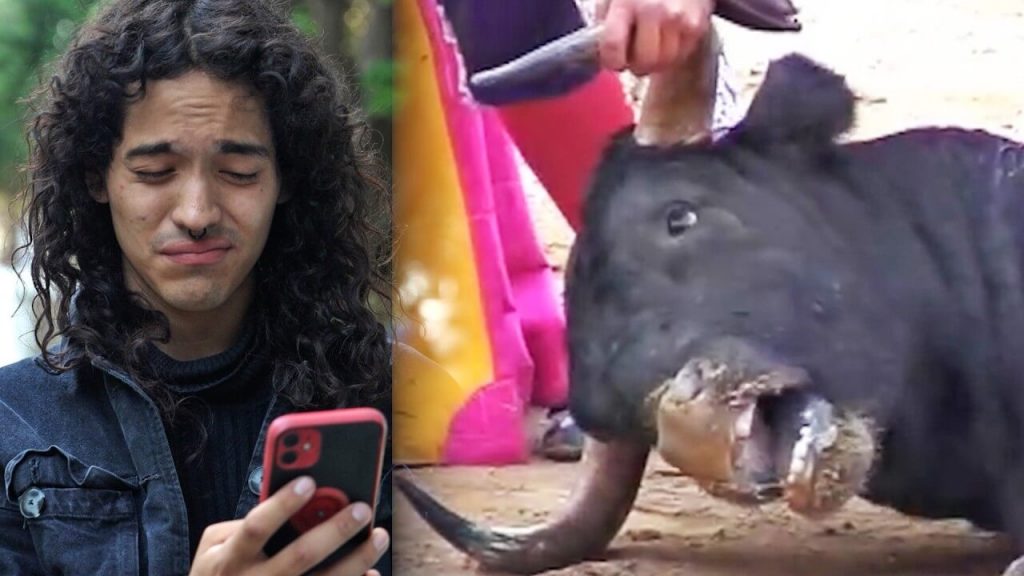
Bullfighting is dying in Mexico, and the end of this violent industry can’t come soon enough. Several states—including Sonora, Guerrero, Coahuila, Quintana Roo, Sinaloa, and Michoacán—have already banned the practice. In Mexico City, the torture and slaughter of bulls is now prohibited, making bullfights virtually impossible. The writing is on the wall: bullfighting doesn’t belong in Mexico—or anywhere.
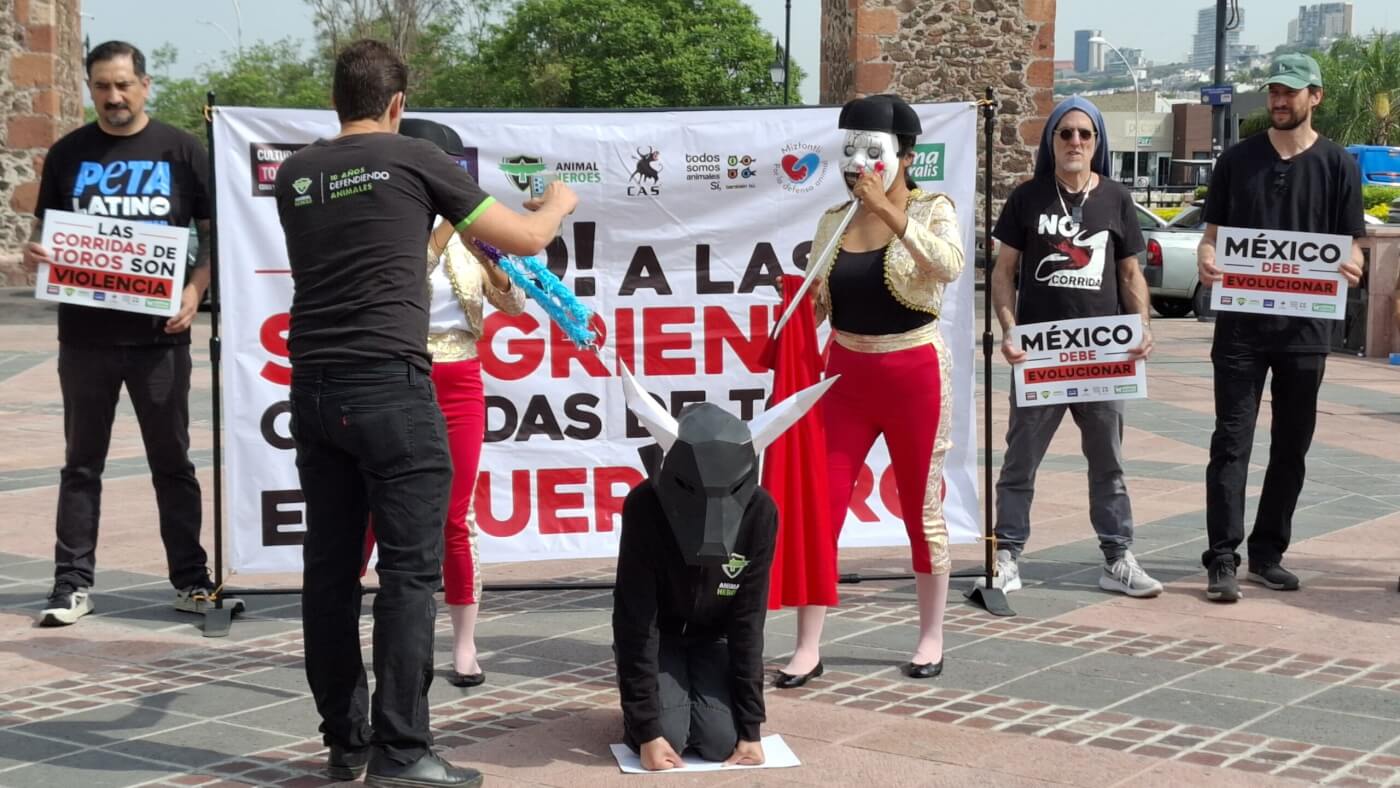
So what’s the state of bullfighting in Mexico? Let’s dive into it from a legal, ethical, scientific, and human rights perspective to see how this “tradition” is finally being dismantled.
Bullfighting Is on the Wrong Side of Mexican Law
Following a historic reform, Article 4 of the Mexican Constitution now explicitly states: “Animal abuse is prohibited. The Mexican State must guarantee the protection, proper treatment, conservation, and care of animals, as specified by the corresponding laws.”
Bullfighting directly contradicts that mandate. In these bloody spectacles, the torment starts as soon as the bull is forced into the arena. First, men on horseback stab him in the back and neck with lances, impairing him and causing heavy blood loss. Then others run at him on foot, jabbing barbed sticks into his back until he’s exhausted, disoriented, and too weak to defend himself.
Credit required © Jo-Anne McArthur / We Animals
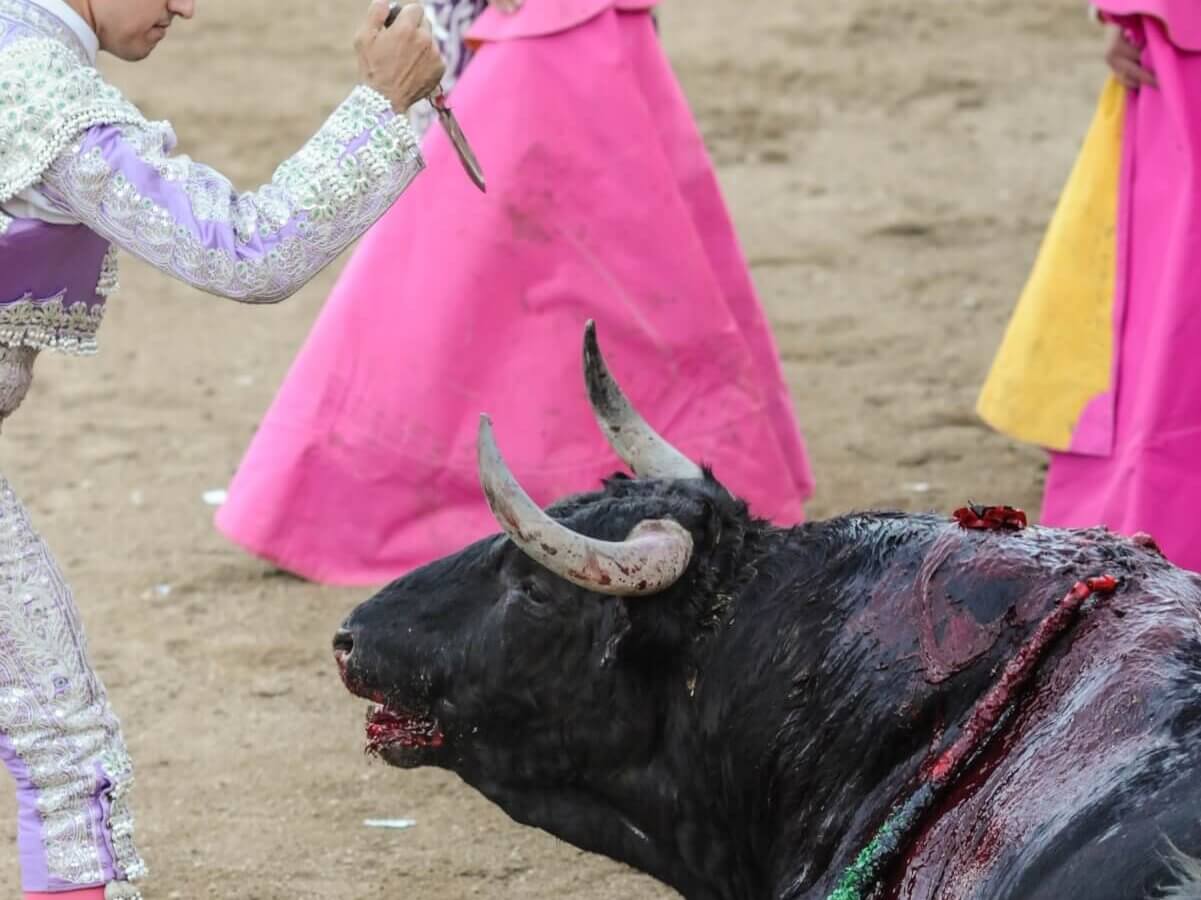
Finally, the matador steps in and attempts to kill the already dying animal with a sword. If he fails, he uses a dagger to try to cut the bull’s spinal cord, sometimes leaving him paralyzed but still conscious. There’s no way for a bull to win a bullfight—only a slow, agonizing death for an animal who didn’t choose to be there.
Bullfighting also violates federal and national animal welfare regulations. The Ley Federal de Sanidad Animal was created to ensure animal welfare and prevent suffering. Similarly, NOM‑033, which establishes minimum standards to prevent the prolonged suffering of animals during slaughter in Mexico, is inconsistent with bullfighting practices, as these events deliberately cause prolonged suffering.
Most People Already See Bullfighting for What It Is
Bullfighting defenders are losing ground fast, even as they try to cling to “tradition” as a weak excuse for bloodshed. A new national survey—released just as Mexico City moved to ban bullfighting—confirms it: the vast majority of Mexicans (70%, by some estimates) now oppose bullfights or see them as outright animal abuse.
This dramatic shift in public opinion is perfectly captured in PETA Latino’s video surveying men in Mexico City. When asked about bullfighting, they didn’t hold back: it’s “a cruel and inhumane act” and “an atrocity.”
Science Confirms What We Already Know: Animals Suffer
A recent analysis from Ciencia UNAM lays it out clearly: bullfighting is ethically unacceptable. The study emphasizes:
Animal sentience: Bulls and other animals experience pain, fear, and stress.
Moral inconsistency: Labeling cruelty as “culture” rings hollow. In ancient Rome, humans battled to the death in gladiator fights—a once glorified “tradition” that is now unthinkable. We have the moral obligation today to reject the same violence that is inflicted on living, feeling animals.
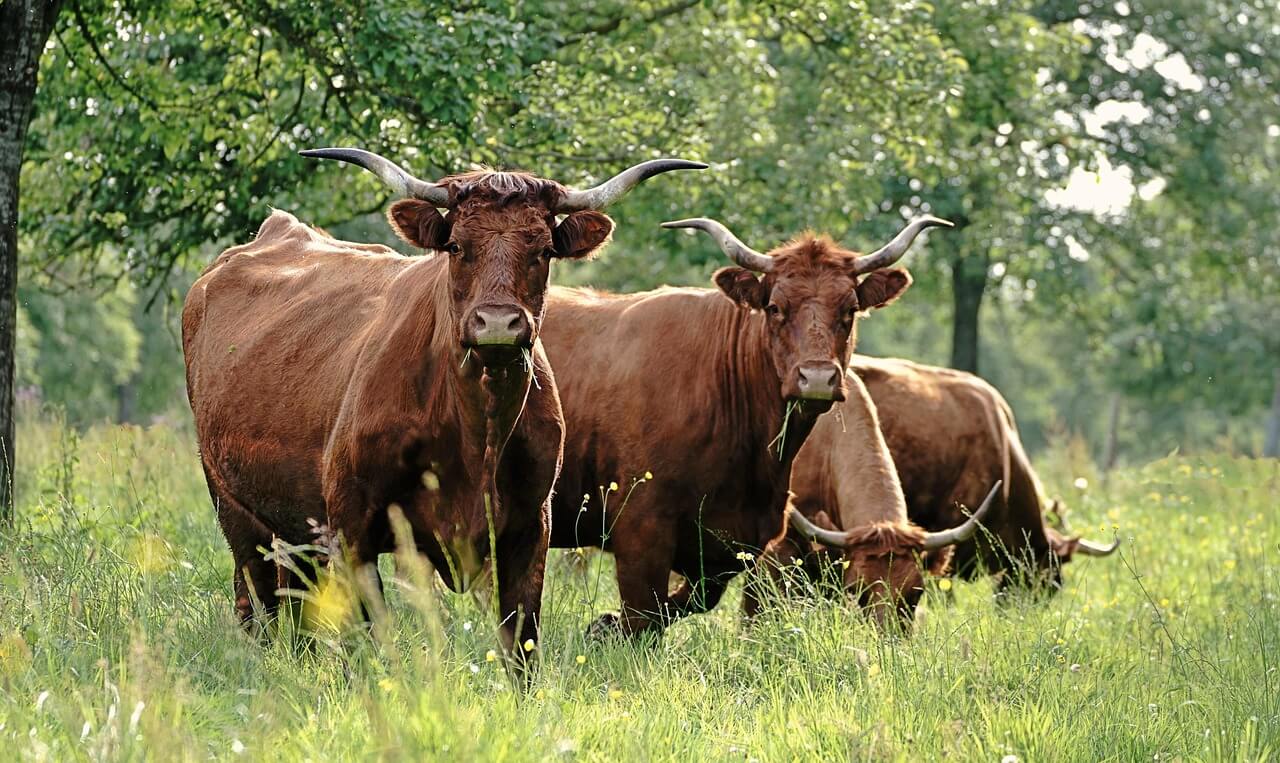
This study reaffirms what has always been true about bulls: they are sensitive, social animals who deserve autonomy and freedom. When left in peace, they form close bonds with their herds, protect one another, and spend their days grazing calmly together.
Bullfighting Is a Human Rights Issue, Too
Bullfighting is putting children at risk, and the world has been paying close attention. The United Nations Committee on the Rights of the Child has called on Spain, Mexico, and other countries to ban minors from attending bullfights or participating in bullfighting schools. It’s no wonder why: exposing children to this violence can cause serious psychological harm.
Yet in bullfighting schools across Mexico and Spain, children are still being trained to carry on the cycle of violence. Many students are indoctrinated from a young age: in Mexico, “child bullfighters” are common, and there are no age restrictions for participating in bullfights. Many schools start training kids as young as six years old.
Exposure to Violence Has Real Consequences
Experts are also warning of the psychological harm caused by bullfighting. The Coordinator of Professionals for the Prevention of Abuse (CoPPA)—an international collective of experts in psychology, psychiatry, sociology, and law— serves as an authoritative scientific and moral voice on the issue.
In their rigorous analysis of the profound impact of exposing minors to bullfights, the group noted some key insights:
Link to broader violence: Research shows that exposure to animal abuse is closely associated with later violent behavior toward humans, including domestic violence and child or elder abuse.
Impact on empathy: Witnessing cruelty can stunt the development of empathy in children, perpetuating cycles of aggression.
Trauma from real violence: Children attending bullfights see humans slaughtering defenseless animals, and adults applauding that violence. This combination of direct exposure and adult approval can cause fear, distress, and lasting emotional trauma.
Long-term behavioral effects: Children exposed to bullfighting may develop psychiatric or developmental disorders and exhibit aggressive or violent behavior toward both humans and our fellow animals.
These expert analyses make it unmistakably clear that bullfighting isn’t just an issue of cruelty to animals, it’s a serious threat to the well-being of young observers.
The Economic Argument Doesn’t Hold Up
The numbers the bullfighting industry claim are “economic benefits” to the ritualistic slaughter of animals don’t add up. In 2025, a damning report revealed that bullfighting events in the state of Querétaro fell far short of the revenue the industry usually boasts.
The analysis concluded that there aren’t enough bullfighting events for communities to actually depend on them financially. Instead, the bullfighting industry survives mainly through benefits from government subsidies. So the industry’s long-standing argument about driving economic growth? Completely overstated.
The End of Bullfighting Is Inevitable
Bullfighting in Mexico is on increasingly fragile ground. PETA Latino and our friends in the México Sin Toreo coalition and Animal Heroes have been at the forefront of the anti-bullfighting movement,from holding head-turning protests and organizing petitions to calling on government authorities to implement bans and stronger regulations. With the help of compassionate supporters like YOU, we’ve helped turned the tide against this vile spectacle.
YOU can help us win the fight that matters: The fight for animals’ lives. Speak up today:
The post The Fall of Bullfighting in Mexico: Legal, Moral, and Scientific Perspectives appeared first on PETA.