
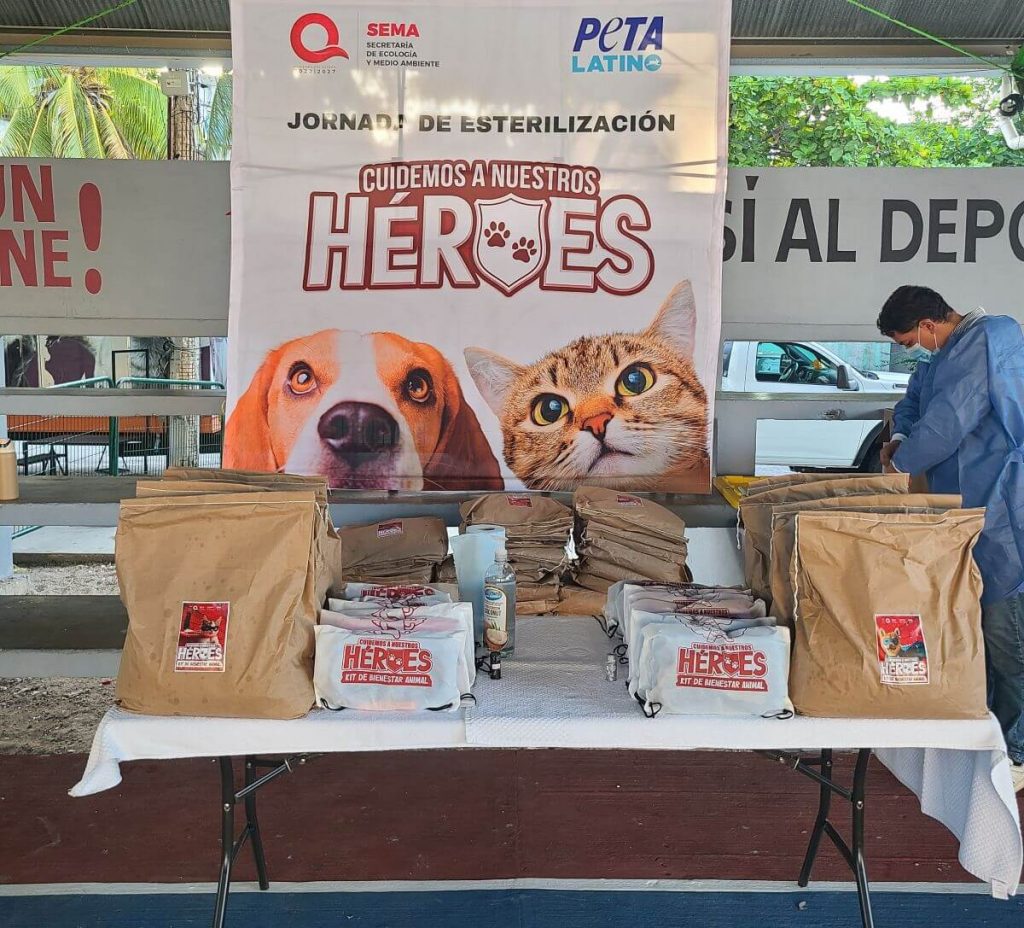
For many families in the communities PETA serves, veterinary care is difficult to come by.
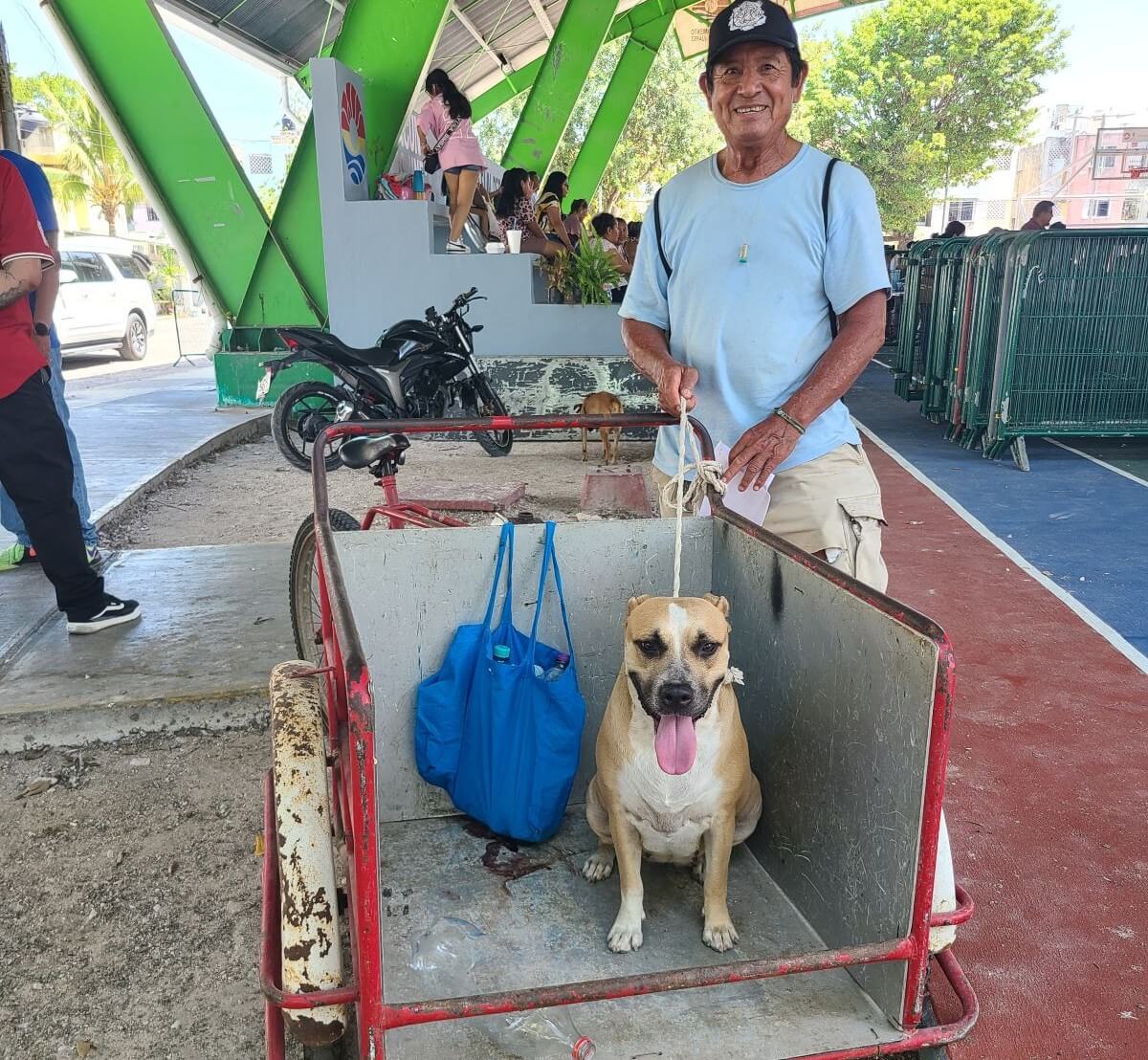
Before the blistering August sun had even climbed over Quintana Roo, Mexico, guardians were already lining up with their animals for PETA’s 18th spay/neuter clinic in Cancún. When we arrived at dawn to set up, some were waiting with dogs on leashes, while others made do with lengths of rope. Cats arrived in plastic crates and pillowcases that doubled as carriers. One family—mother, father, child, and animal—pulled up together on a motorcycle.
PETA’s second trip to Mexico this year brought free services to Corales and Rancho Viejo through partnerships with the Secretary of Ecology and Environment for the state of Quintana Roo and the municipal government of Isla Mujeres. Over two two-day clinics, PETA and a dedicated team of veterinary professionals sterilized 482 dogs and cats, helping prevent countless puppies and kittens from being born into communities already struggling with large populations of homeless animals. With these latest clinics, 5,670 animals have now been sterilized free of charge in Cancún and Chichimilá since 2021.
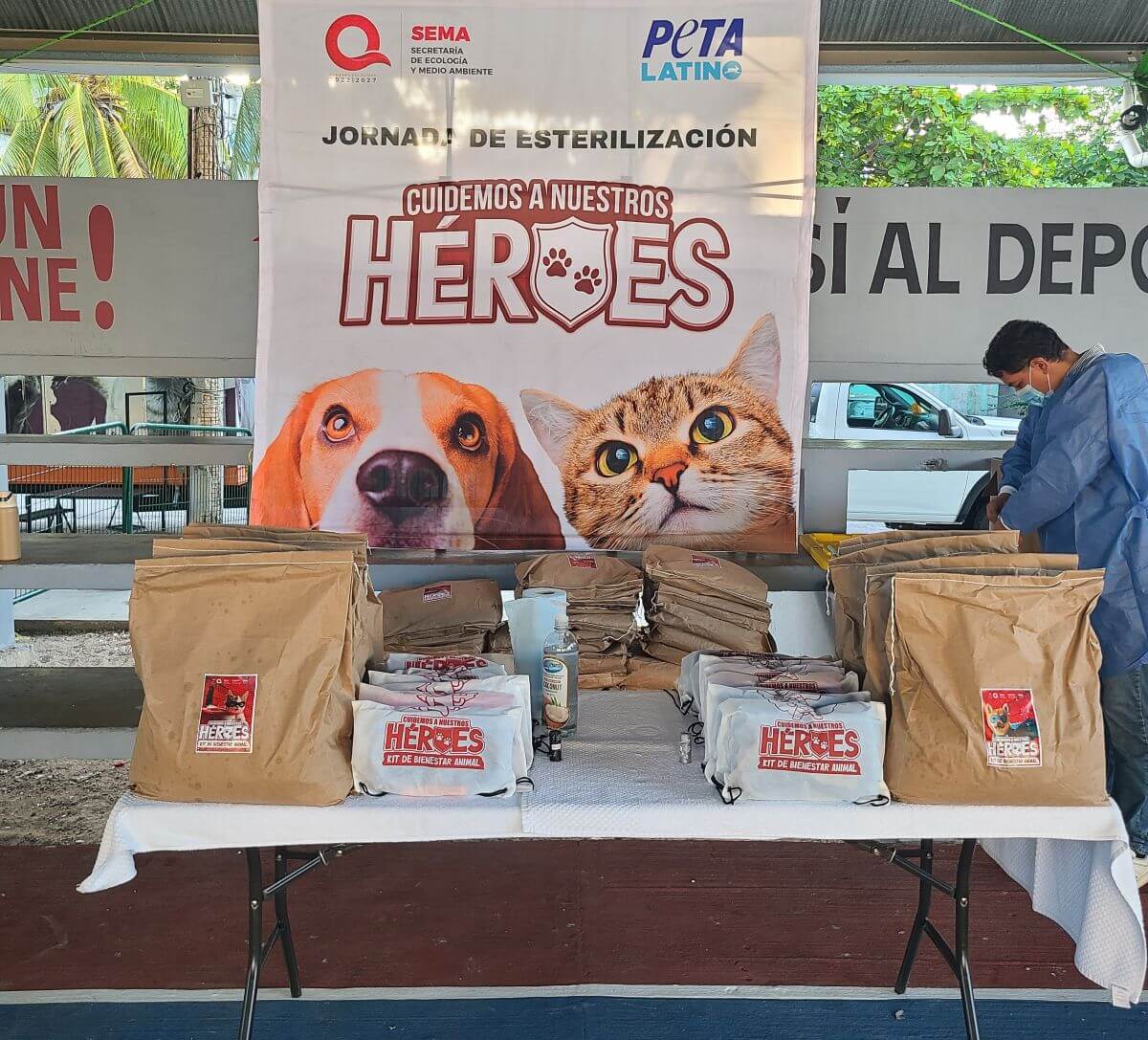
But what happened inside the clinics was only part of the story.
Hundreds of Animals, Hundreds of Stories
Veterinarians and technicians who had traveled from Mexico City, Puebla, León, Mérida, Cancún, and surrounding areas worked steadily as animal after animal came through the doors. Guardians waited nearby, sometimes for much of the day, until they could take their companions home.
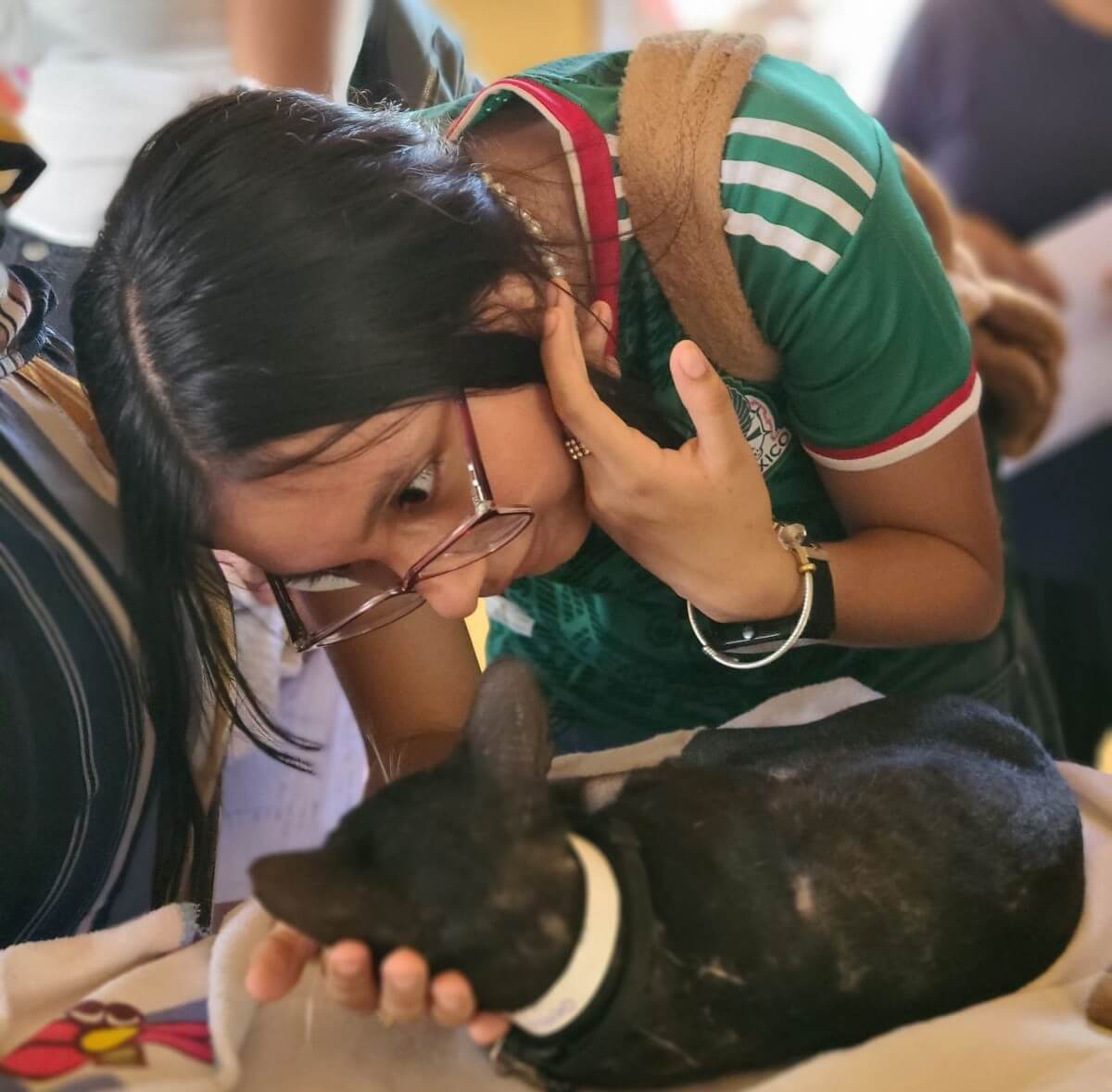

Other patients arrived without guardians at all. Community dogs roamed the neighborhoods, and several wandered into our clinics—and PETA sterilized them, too. One severely matted dog was neutered and given a much-needed shave before heading back into the neighborhood.
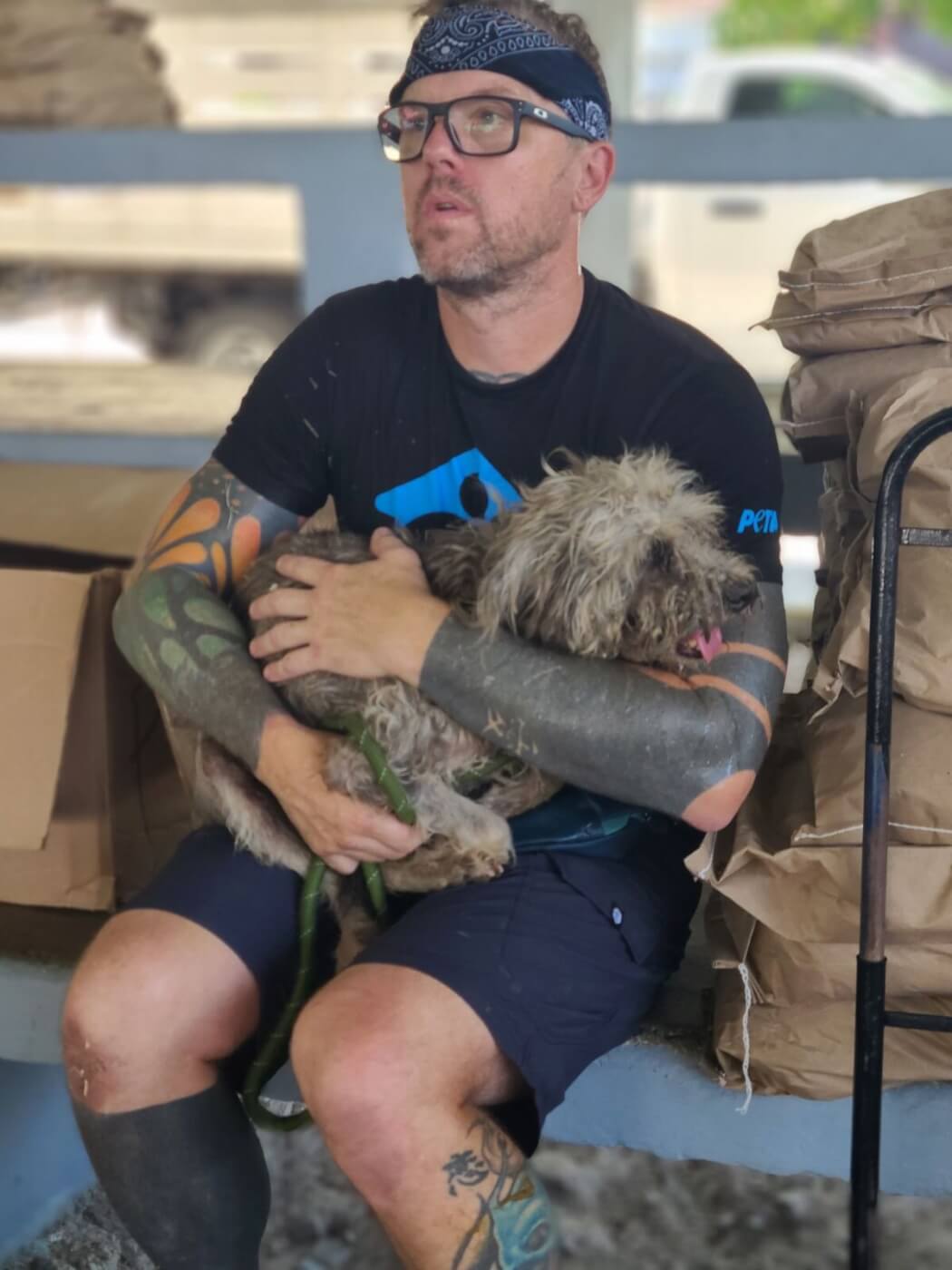
For a dog living on the streets, one surgery can change far more than one life. Spaying and neutering prevent generation after generation of puppies from being born where food, clean water, shelter, and veterinary care may be difficult or impossible to find. They also reduce the risk of certain cancers and other serious health problems, helping animals live longer, healthier lives.
PETA’s Work Goes Beyond the Clinic
Between clinics, we headed out into the surrounding communities to bring care directly to animals who needed it. Everywhere we went, residents welcomed us, introduced us to the animals they were caring for, and pointed us toward others who needed help.
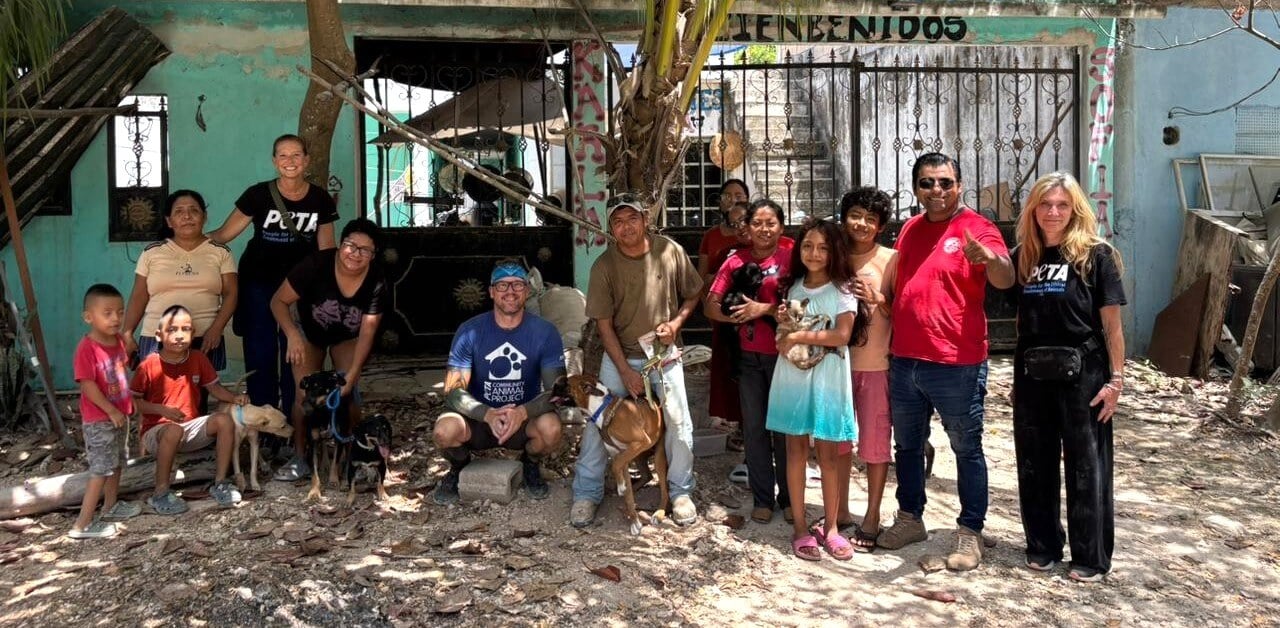
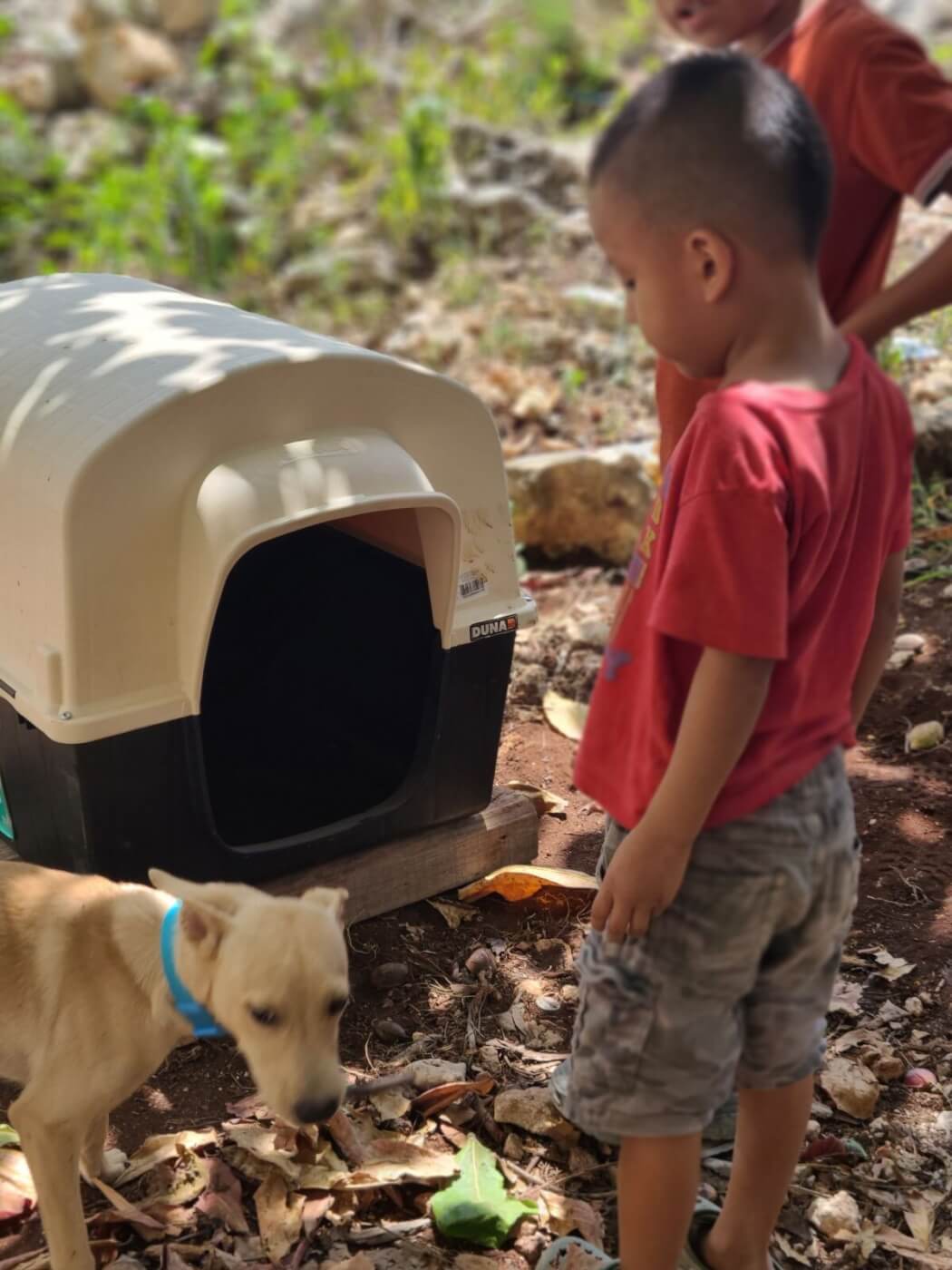
We checked in on dogs PETA staff had met during an earlier visit, providing flea and tick prevention, deworming medication, and new collars. We also gave three families doghouses to help protect their animal companions from the blazing sun and rain. I remember how those bright new collars stood out against all that dust.
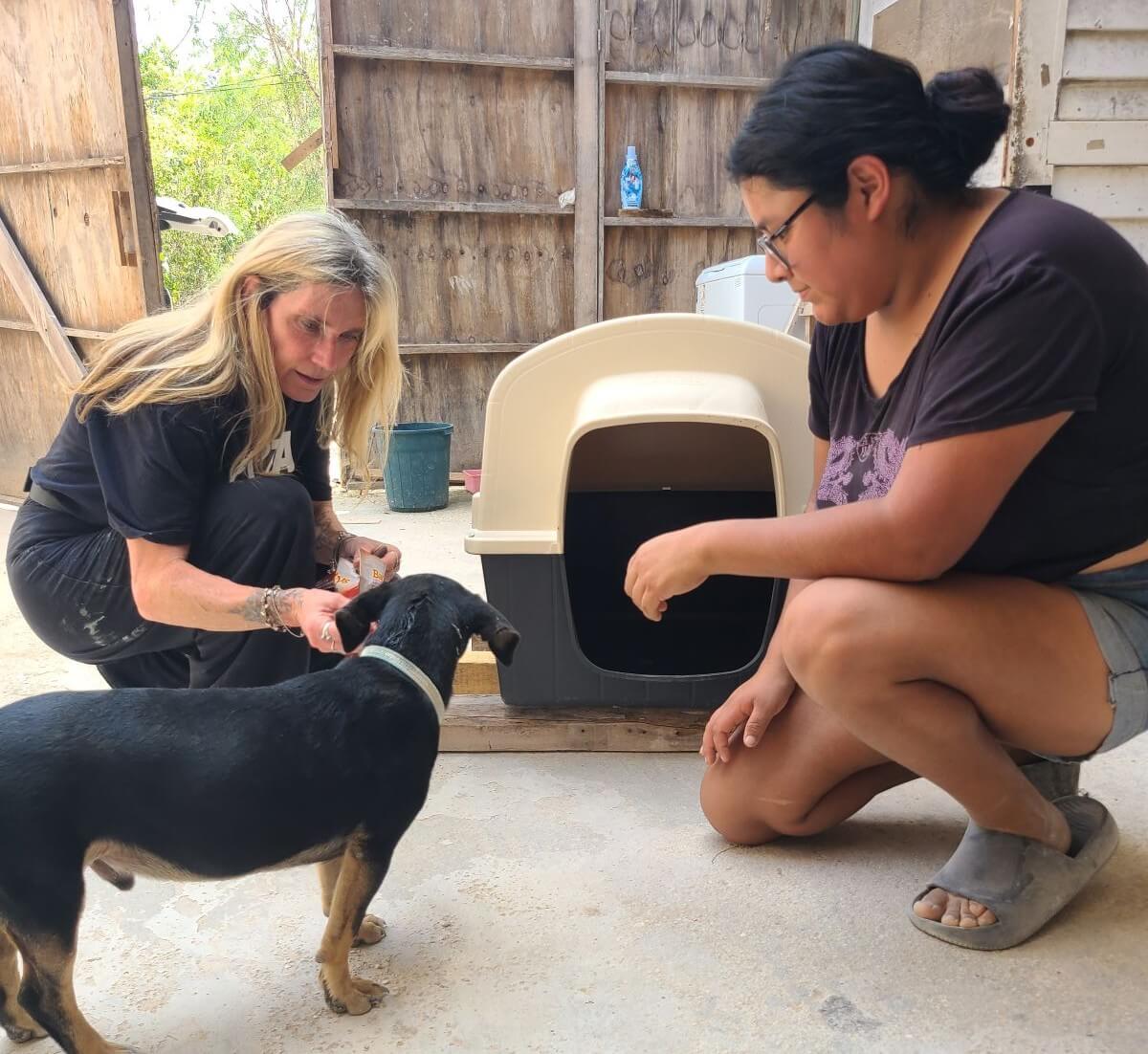
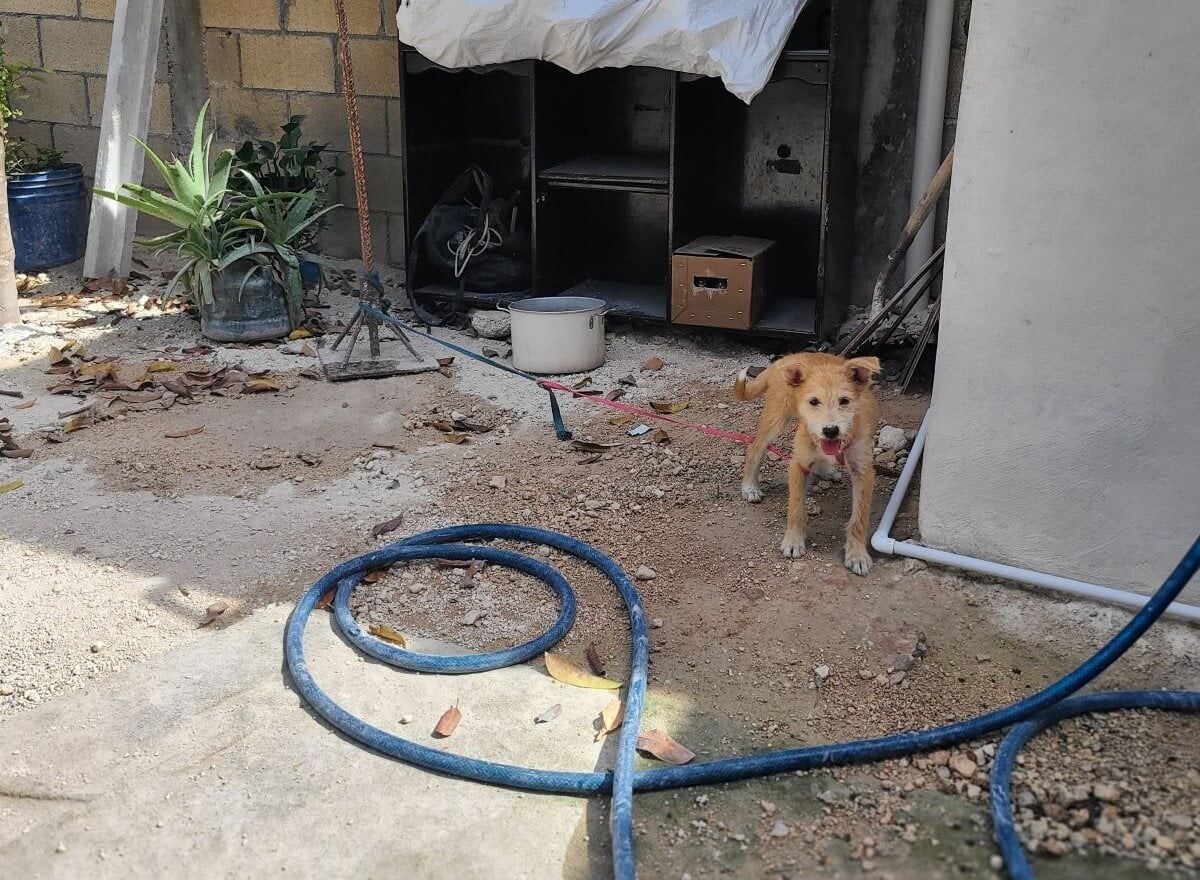
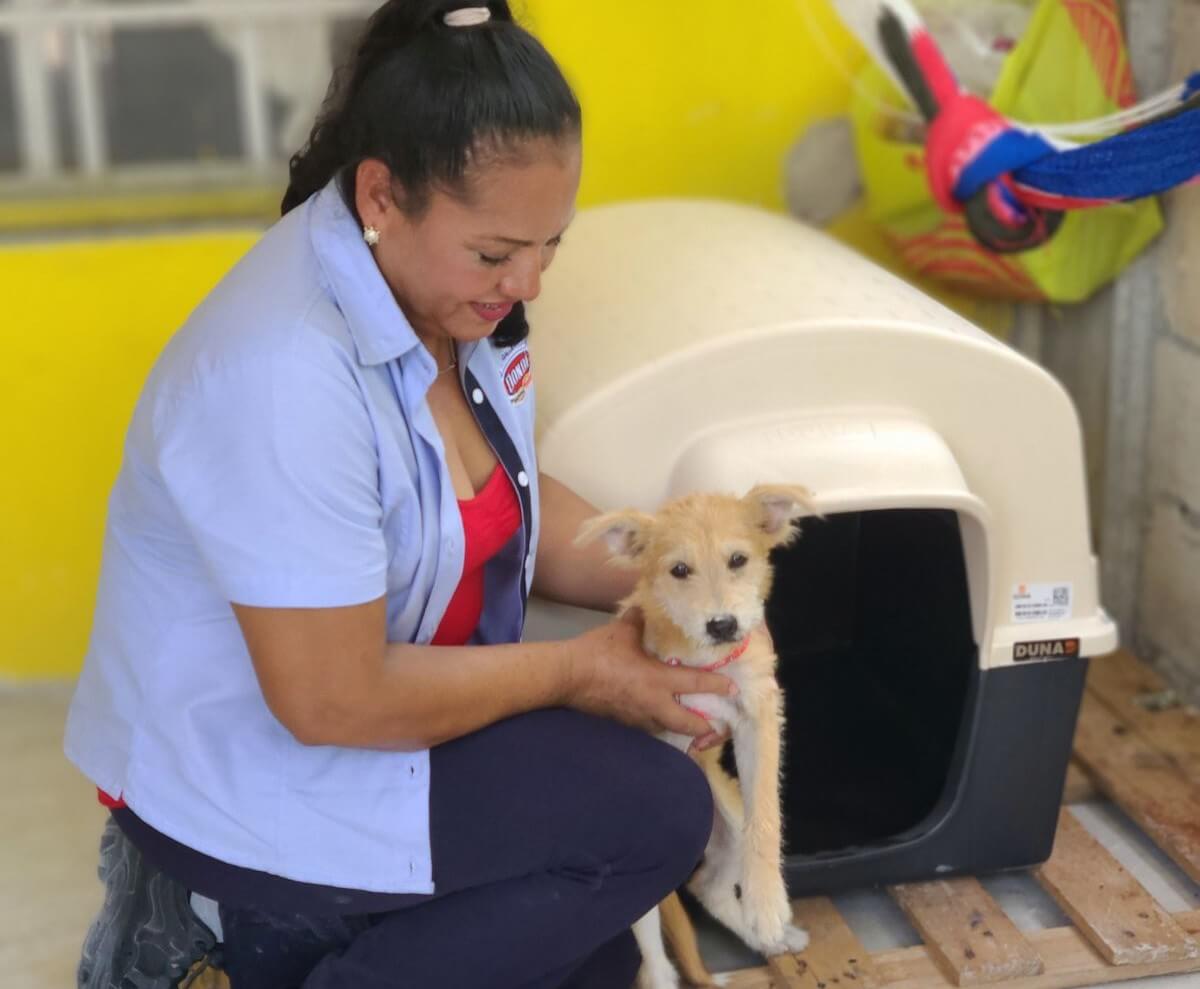
At one home, a woman was caring for a street dog with a gaping wound in his neck as well as her five dogs. We cleaned and treated his wound and helped the others, too. Before we left, she appeared with homemade fruit popsicles for all of us.
She had made them herself, and she was so proud to hand them out. It was such a simple gesture, but knowing how little people in the community had to spare made her generosity even more moving. Of all the moments from the trip, it’s one I’ll remember most.
That spirit of cooperation extended to local rescuers, too. We visited Isla Animals, a shelter that rescues, sterilizes, and finds homes for street dogs. When someone abandoned a dog at one of our clinics, a veterinary technician affiliated with the shelter stepped in and brought her there, where she is now getting the care she needs.
Compassion When It Matters Most
On our final day, our team spotted a tiny black-and-white dog beside the road who appeared to be trying to eat a dead mouse. She was emaciated, dehydrated, covered with ticks, and barely responsive. We scooped her up, wrapped her in a sweatshirt, and rushed her to the clinic, but she was too far gone to save.
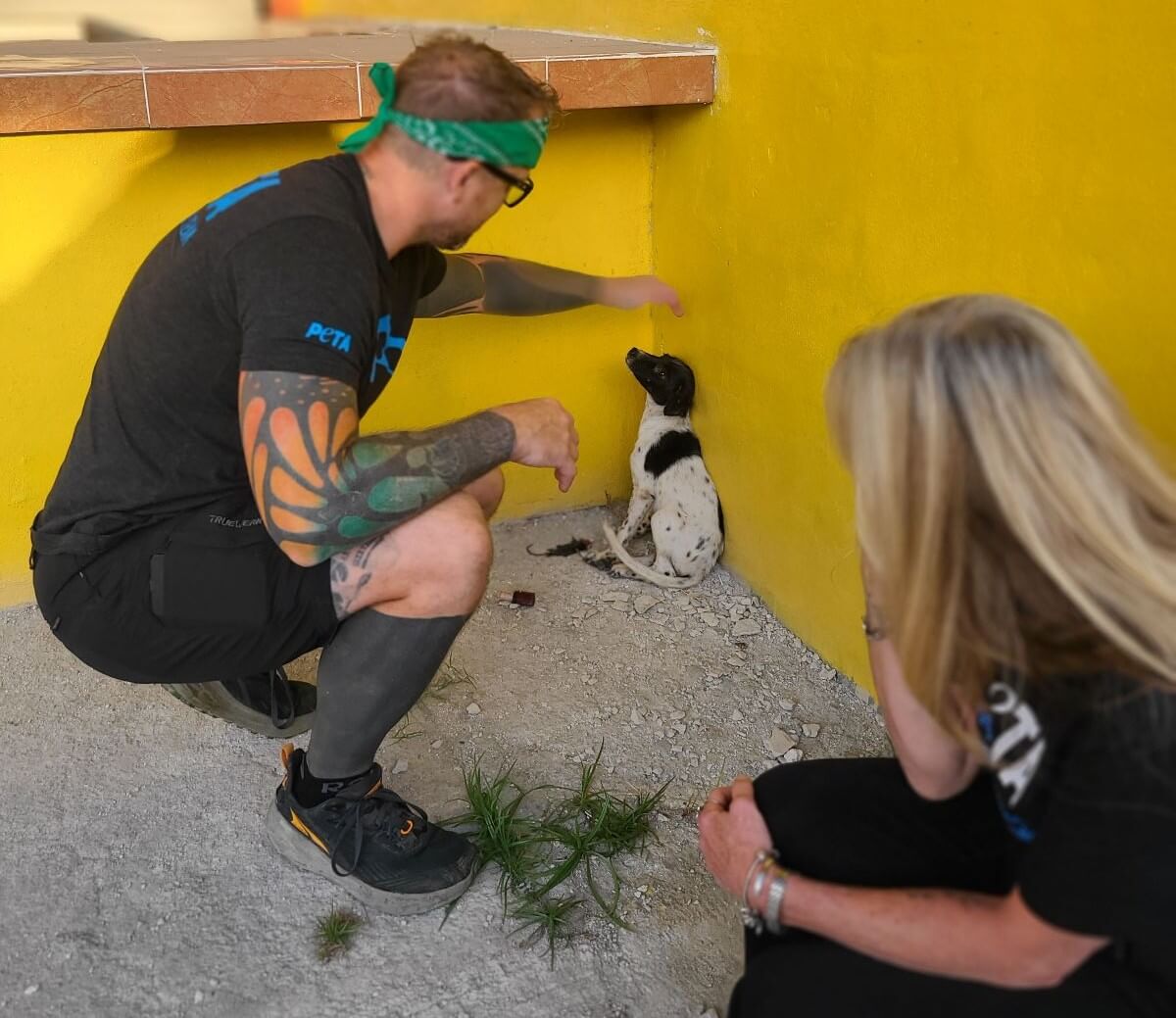
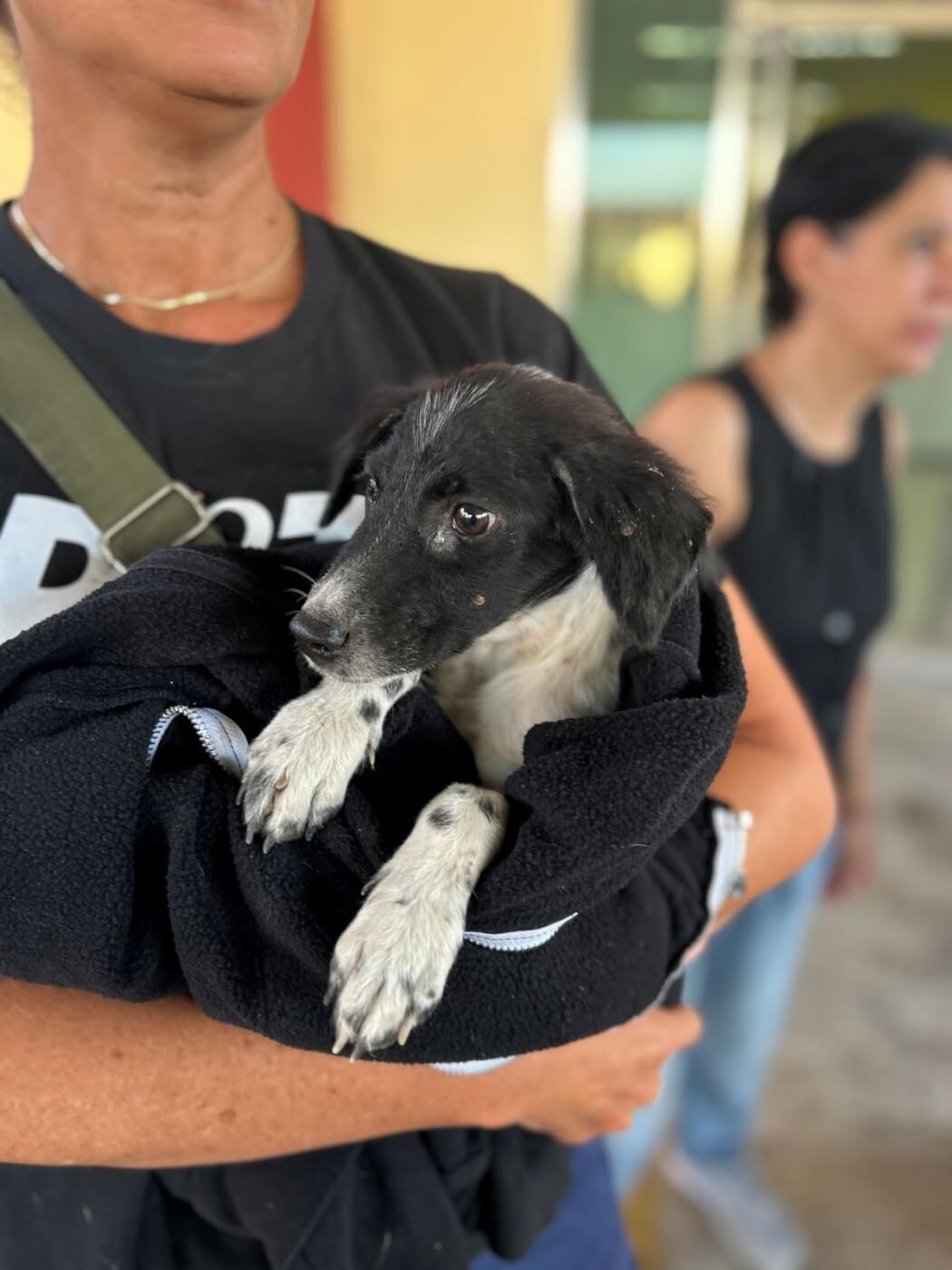
We couldn’t undo what she had endured, but we could make sure she didn’t suffer any longer. We euthanized her to end her suffering as one of my colleagues gently rubbed her back and I stroked her tiny head. She had been alone beside a road that morning. She wasn’t alone when she died.
What the Numbers Can’t Show
That little dog will stay with me. So will the woman proudly passing around her homemade popsicles and the animals wearing their bright new collars. And I’ll remember the hundreds of guardians who were willing to spend an entire day waiting to get their animals the care they needed.
In just four clinic days, 482 animals were sterilized, while many more received veterinary care, parasite prevention, shelter, and other help. Animals suffering without hope of recovery were spared further suffering, and PETA strengthened relationships with local and state government agencies eager to continue working together to help even more animals.
I went to Mexico knowing what PETA’s clinics accomplish. Being there showed me what the numbers can’t: the compassion behind them and, at the center of it all, animals whose lives are better because PETA was there.
Support PETA’s Work in Mexico
These vital services wouldn’t be possible without caring supporters like you. Please give to PETA’s Global Compassion Fund today to help bring veterinary care to animals in Mexico and around the world.
The post What I Saw at PETA’s 18th Spay/Neuter Clinic in Cancun appeared first on PETA.